Why Electric Cars are Becoming So Popular
What was once quite a niche option just a couple of years ago, is now considered an extremely popular choice. With electric cars becoming more and more distinct, we take a look at why that is, and what the essentials are for UK drivers to know as they switch and buy electric.
With every day that passes, electric cars only gain more pace, quite literally, and mainstream manufacturers are certainly picking it up. As fuel costs rise, expanding charging infrastructure, and growing environmental awareness, more drivers are considering making the switch to an electric vehicle (EV). However, buying an electric car is different from buying a petrol or diesel one, and there are some key things you should understand before committing. Our guide helps break down the essentials you need to know when buying an electric car in the UK.
Understanding Electric Car Types
Before choosing a model, it’s important to know the different types of electrified vehicles that are available:
- Battery Electric Vehicles (BEVs) - These are fully electric and run only on a battery. Examples include the Nissan Leaf and the Hyundai Kona Electric (Available as an Approved Used Car at Motor Match).
- Plug-in Hybrid Electric Vehicles (PHEVs) - These combine a battery and a petrol engine. They can be plugged in and driven electronically for short distances, then switch to fuel.
- Hybrid Electric Vehicles (HEVs) - These cannot be plugged in and are not fully electric. They use a battery to support the petrol engine.
If your goal is zero tailpipe emissions and lower running costs, a fully electric car is usually the best choice.


Driving Range: How Much Do You Really Need?
One of the biggest concerns for UK buyers is range. Modern EVs typically offer between 150 and 350 miles on a full charge.
When deciding:
- Consider your daily commute rather than occasional long trips.
- The average UK driver travels around 20-30 miles per day, well within most EV ranges.
- Cold weather, motorway driving, and heavy loads can reduce range.
For most people, a car with 200+ miles of real-world range is more than sufficient.
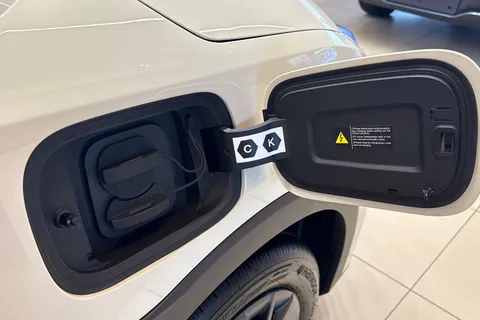
Charging Options in the UK
Home Charging:
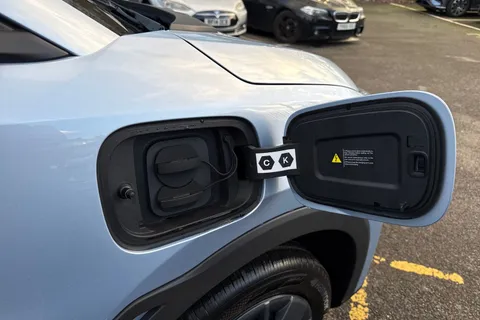
Home charging is the most convenient and cheapest option.
- A home wall-box typically costs £800-£1,200 installed.
- Most EVs can be fully charged overnight.
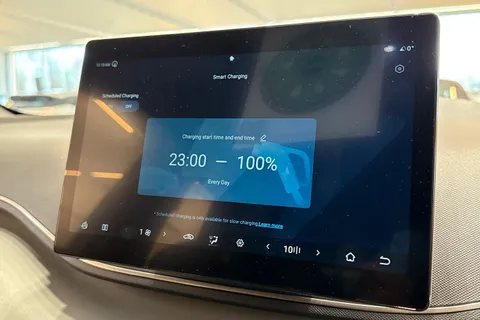
- Smart chargers allow off-peak charging, saving money.
Public Charging:
Public Charging and the UK charging network is growing rapidly:
- Slow/fast Chargers - Found in car parks and supermarkets.
- Rapid and Ultra-rapid Chargers - Ideal for motorway journeys.
- Apps like Zap-Map can help locate chargers and check availability.
If you can charge at home, owning an EV becomes much easier and cheaper.


Costs: Purchase Price vs Running Costs
Upfront Costs
Electric cars often cost more to buy than petrol cars, but prices are falling and used EVs are becoming more common.
Running Costs
EVs are significantly cheaper to run:
- Electricity costs less than petrol or diesel per mile.
- Maintenance is cheaper due to fewer moving parts.
- Many EVs are exempt from congestion charges and have reduced road tax benefits.
Over time, these savings can offset the higher purchase price.
Government Incentives and Tax Benefits
While the UK Plug-in Car Grant has been reduced, there are still benefits:
- Vehicle Excise Duty (VED): Many EVs pay little or no road tax.
- Company Car Tax: Very low Benefit-in-Kind (BiK) rates for EVs.
- Local Incentives: Free or discounted parking and charging in some areas.
If you’re buying through a company or salary sacrifice scheme, the savings can be substantial.

Battery Life and Warranty
EVs batteries are designed to last:
- Most manufacturers offer 8-year or 100,000-mile battery warranties.
- Battery degradation is gradual and often less than expected.
- Many EVs still retain over 80% capacity after several years.
Battery replacement is rarely needed within the typical ownership period.
New vs Used Electric Cars
Buying a used electric car can be a smart way to save money:
- Check remaining battery warranty.
- Ask for a battery health report.
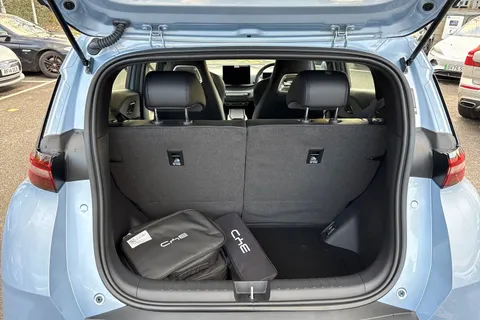
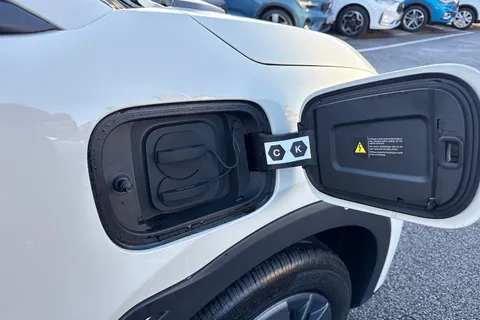
- Ensure the charging cables are included.
Used EVs are increasingly available through approved dealer programs, offering added peace of mind.


Lifestyle and Practical Considerations
Before buying, ask yourself:
- Can I install a home charger?
- Do I regularly take long motorway journeys?
- Do I have reliable access to public charging?
If your lifestyle fits, an electric car can be more convenient than a petrol one.
Environment Impact
Electric cars produce zero tailpipe emissions, improving air quality in towns and cities. While battery production has an environmental impact, studies show EVs have a lower lifetime carbon footprint than petrol or diesel cars in the UK, especially as the national grid becomes greener.

Electric Car Buying: In Summary
Buying an electric car in the UK is becoming easier, cheaper, and more practical every year. By understanding range, charging options, costs, and incentives, you can make a confident decision that suits your driving habits and budget.
For many drivers, an electric car isn’t just the the future, it’s already the better choice for today.
Explore our Electric Car Stock!
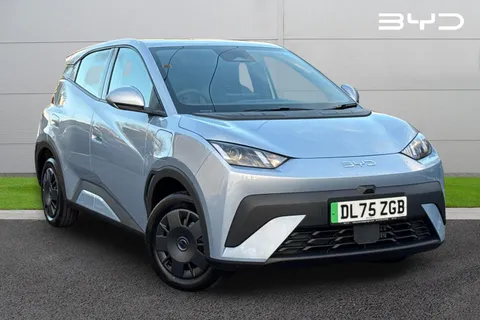
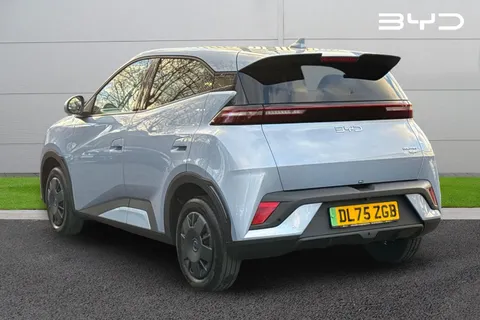
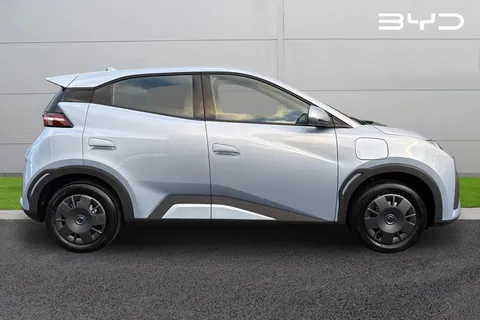
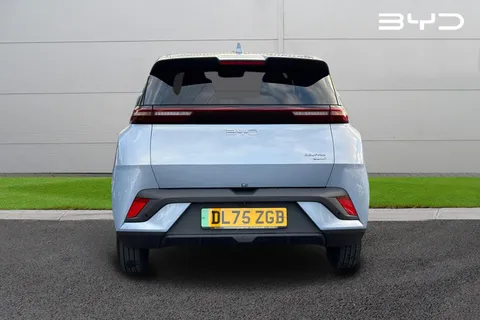
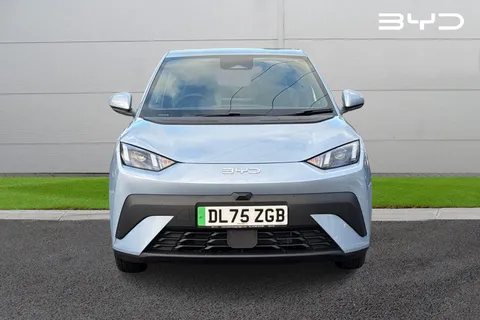
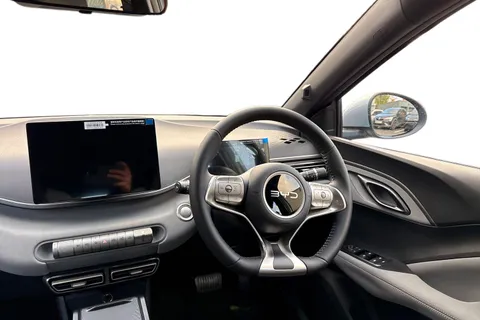
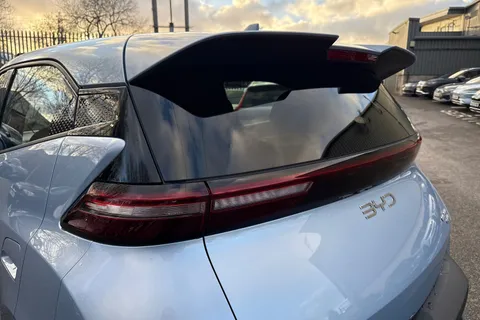
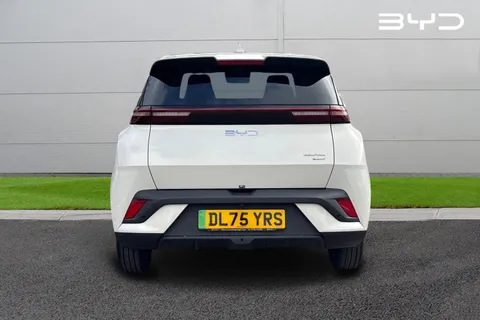
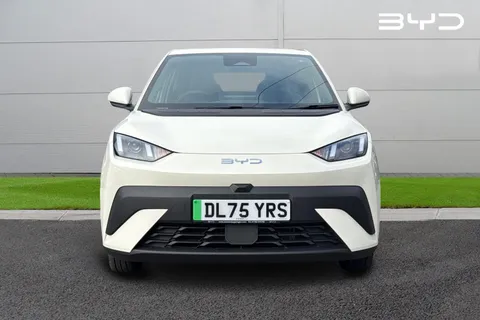
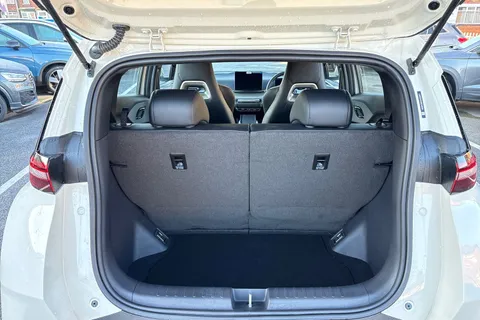
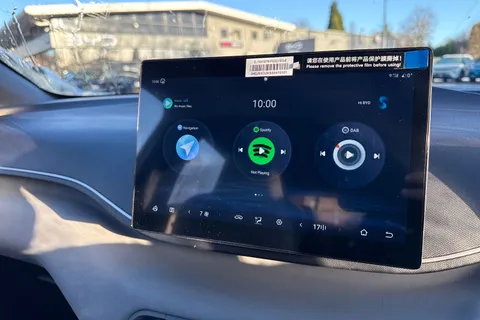
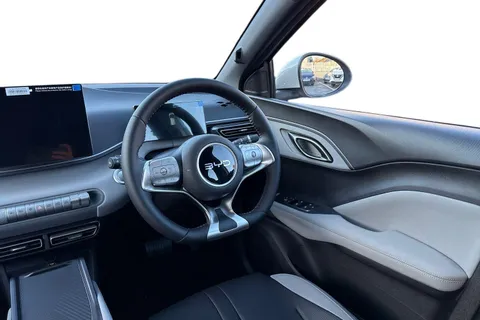
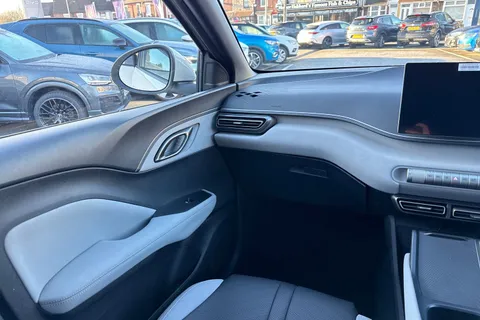
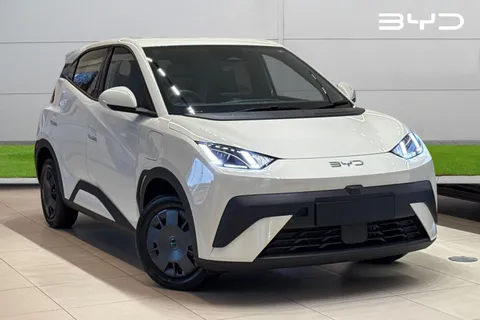
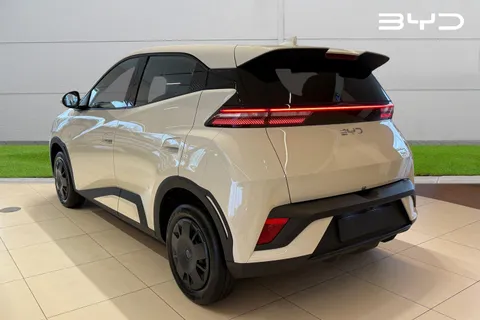
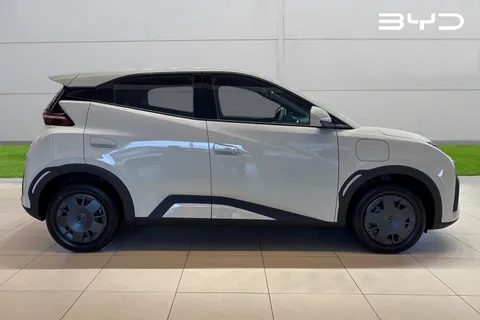
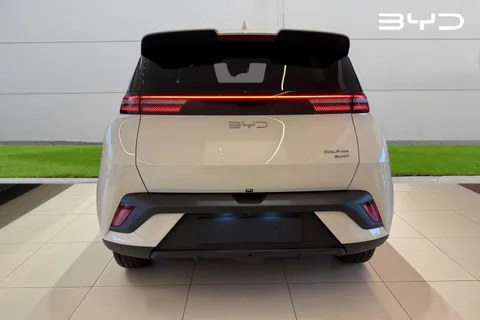
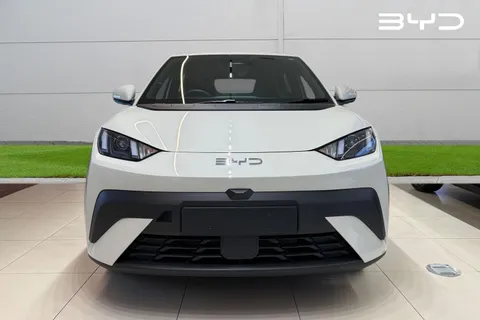
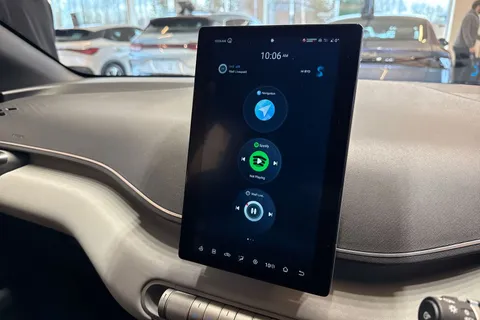
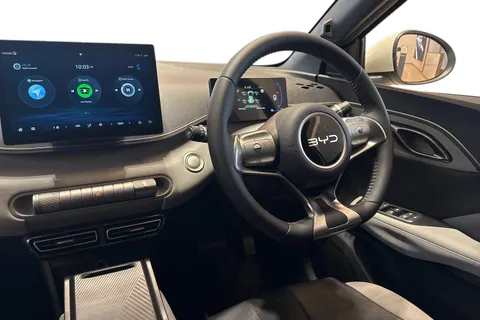
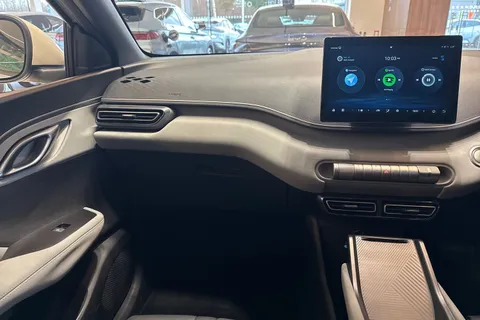
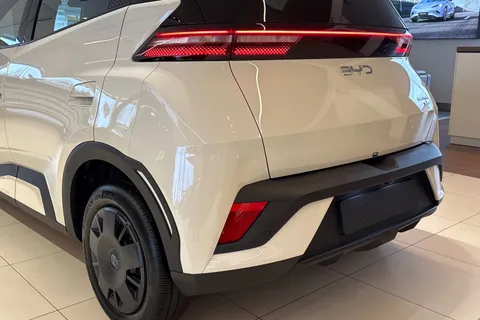
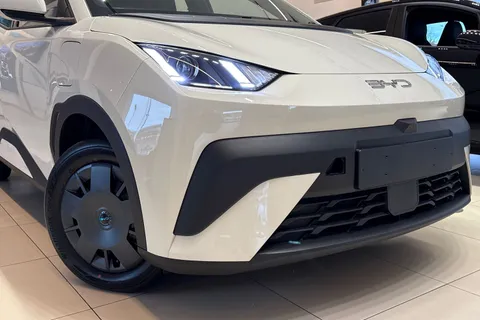
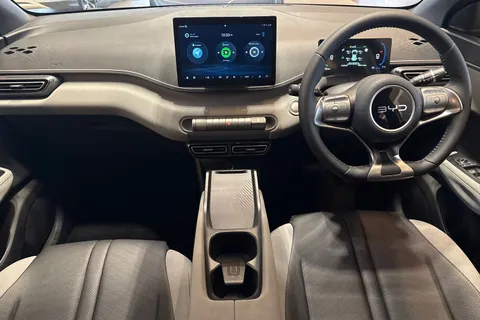
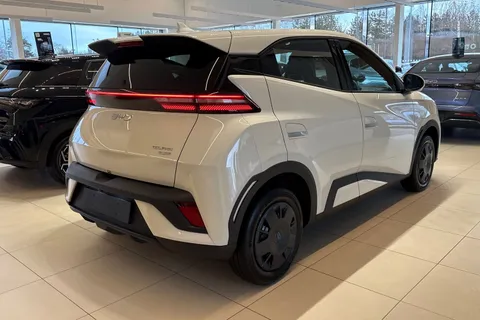
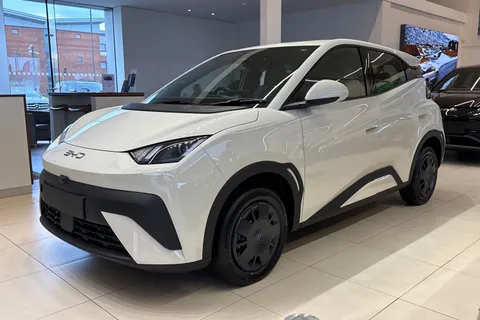
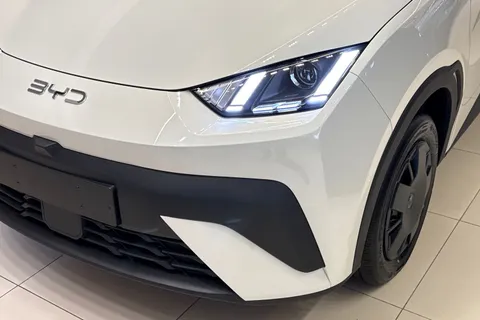
- Go to BYD Dolphin Surf 30kWh Active Auto 5dr
£14,480
£13,980
8.9%APR£219/Month2025 BYD Dolphin Surf
30kWh Active Auto 5dr
- 2025
- DL75ZGB
- Electric
- Automatic
- 100 Miles
- 137 Miles Range
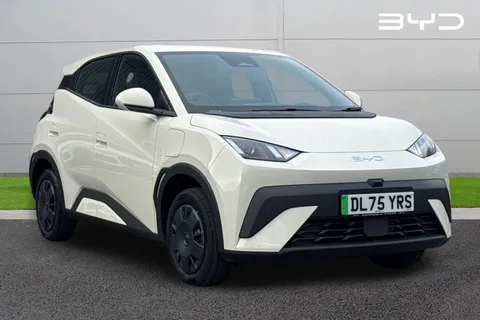
Byd Stoke - Go to BYD Dolphin Surf 30kWh Active Auto 5dr
£14,480
£13,980
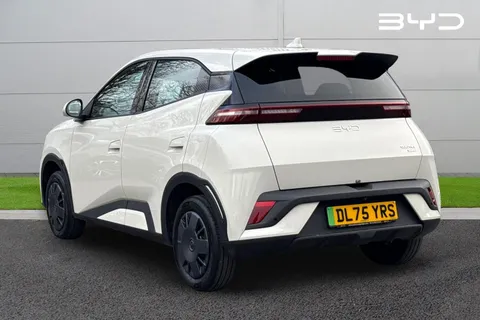
8.9%APR£219/Month2025 BYD Dolphin Surf
30kWh Active Auto 5dr
- 2025
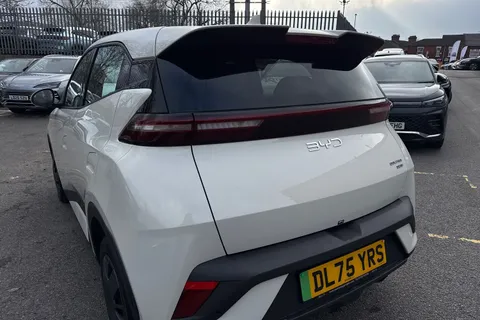
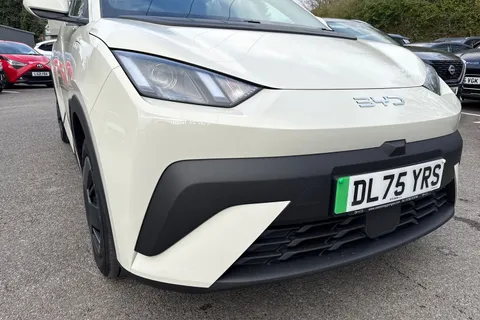
- DL75YRS
- Electric
- Automatic
- 100 Miles
- 137 Miles Range
Byd Stoke - Go to BYD Dolphin Surf 30kWh Active Auto 5dr
£18,650
£14,995
Finance Available
Affordable options for youBYD Dolphin Surf
30kWh Active Auto 5dr
- Electric
- Automatic
- 10 Miles
- White
- 137 Miles Range
Byd Crewe - Go to BYD Dolphin Surf 30kWh Active Auto 5dr
£18,625
£14,995
Finance Available
Affordable options for youBYD Dolphin Surf
30kWh Active Auto 5dr
- Electric
- Automatic
- 1 Miles
- Blue
- 137 Miles Range
Byd Chester