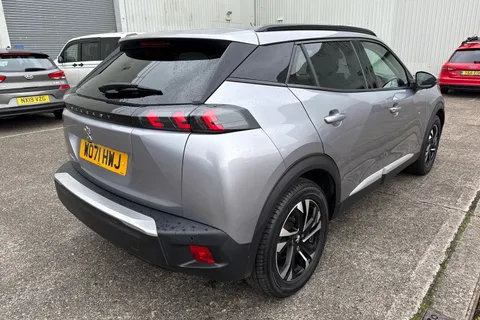
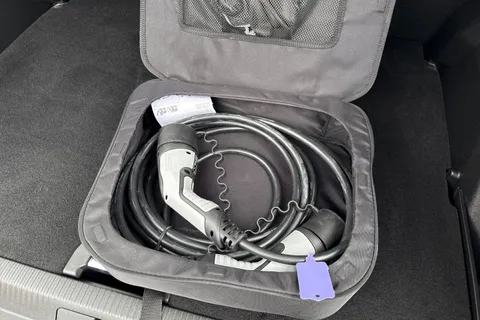
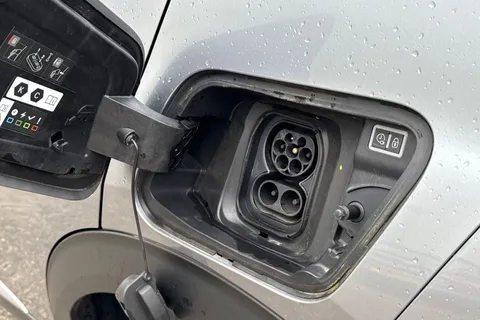
With fuel prices constantly fluctuating and concerns around a potential UK fuel shortage in 2026, more drivers are asking the same question: is it finally time to switch from petrol to electric?
In this guide, we break down the real costs in the electric car vs petrol car debate — from everyday fuel spend to long-term savings.

Electric Car vs Petrol Car: Running Costs Explained
When comparing an electric car vs petrol car, the biggest difference comes down to fuel (or energy) costs.
Petrol cars typically cost around 14–21p per mile. Electric cars can cost as little as 2–7p per mile when charging at home.
That means EV drivers can save £600–£1,500 per year on fuel alone, depending on mileage and charging habits .
If you're regularly searching for “petrol prices near me” or “cheapest petrol near me”, you’ll know how unpredictable fuel costs can be — and that’s one of the biggest reasons drivers are switching.

Factors Affecting Operating Costs
Several factors affect the cost of running electric vehicles compared to petrol alternatives. These include:
● The energy cost. Charging a Nissan Leaf to go 100 miles costs around £3.50 to £4 in the UK (using off-peak £0.10/kWh) tariff, while a 40 MPG petrol vehicle costs £8.80 to £9.40 for the same distance (when fuel is £1.40/litre)
● The maintenance cost. EVS have significantly lower maintenance costs because they don’t have exhausts, conventional engines or gearboxes. As such, typical maintenance fees are approximately £400 to £500 per year, whereas regular petrol vehicles are £500 to £700.
● Battery replacement. Petrol vehicles do not require battery replacement, but some EVS do at the 100,000-mile mark, costing between £5,000 and £15,000.
Government Incentives Impact
Government incentives had a small impact in the past. Before April 2025, EVs were exempt from Vehicle Excise Duty (VED). However, they now pay a flat rate of £180 per year. Minor local incentives like free parking or congestion charge exemptions still apply in some cities, but there is currently a lack of incentives from the government to make the switch to electric.

Petrol Prices vs Electricity Costs in 2026
Petrol prices in the UK have been rising again in 2026, with recent spikes linked to global supply issues and increased demand.
- Electricity costs can be significantly lower, especially with EV tariffs (as low as 7–10p/kWh)
- Charging at home is typically 2–3x cheaper than public charging
This makes EV ownership far more predictable compared to constantly checking petrol prices near me before every journey. To get a clearer picture for your situation, it’s worth using a petrol vs electric car running cost calculator.
So, are electric cars cheaper to run?
Switching to an electric vehicle isn’t just a smart choice for the environment, it’s also easier on your wallet in the long run. From low charging costs to reduced maintenance expenses, EVs offer significant savings compared to traditional petrol cars.
If you’re ready to enjoy a cleaner, more cost-effective drive, explore our EV range today and find the perfect match for your lifestyle.

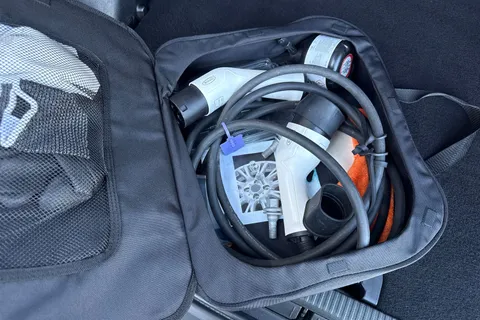
EV Charging Time: What to Expect
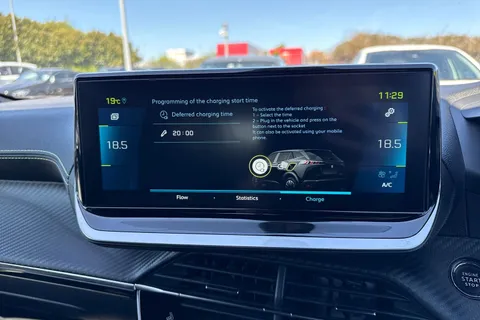
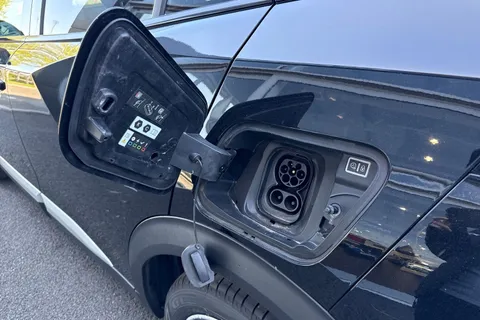
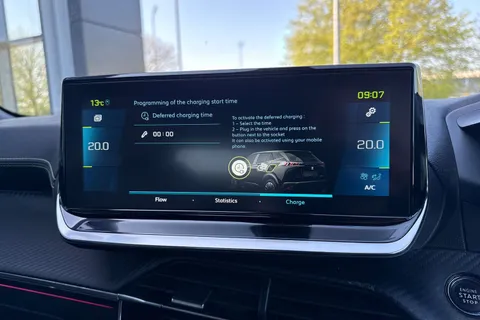
One key consideration when switching is EV charging time.
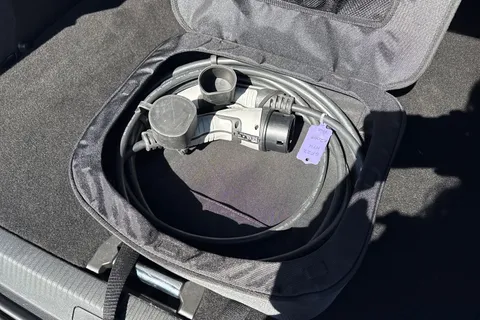
Home charging: 6–12 hours (overnight)
Fast public chargers: 30–60 minutes to 80%
Rapid chargers: as little as 20–30 minutes (depending on vehicle)
While petrol cars are quicker to refuel, most EV drivers simply plug in overnight — meaning no more trips to find the cheapest petrol near me.
Final Verdict: Are Electric Cars Cheaper?
In most cases — yes.
Despite higher purchase prices, electric cars are typically:
- Cheaper to run
- Cheaper to maintain
- Less affected by fuel price volatility
With rising fuel costs and uncertainty around supply, the shift from petrol to electric is becoming less about if and more about when.
Ready to Make the Switch? Check out our current EV stock!
Browse our latest electric cars deals or speak to our team to find the right EV for your lifestyle.
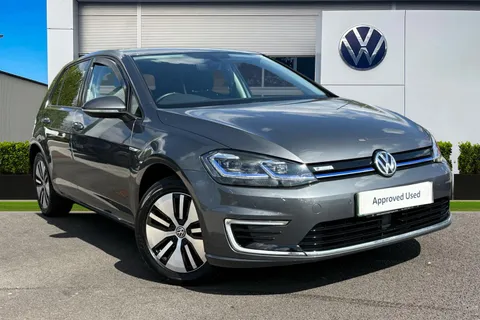
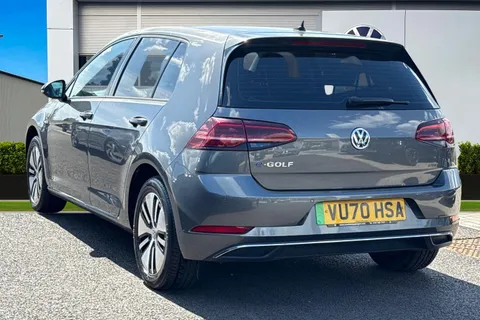
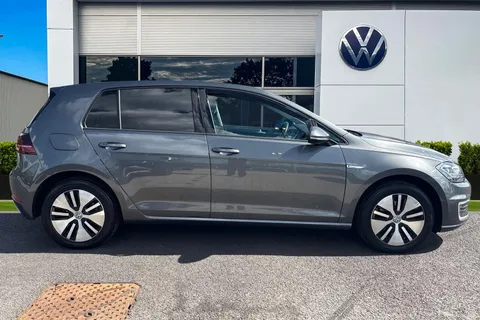
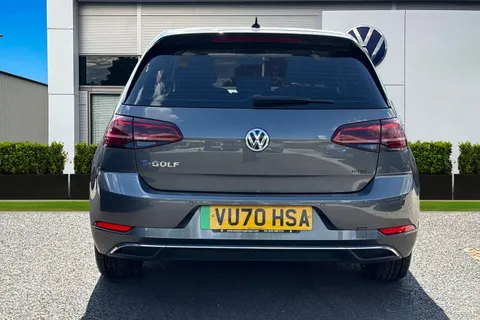
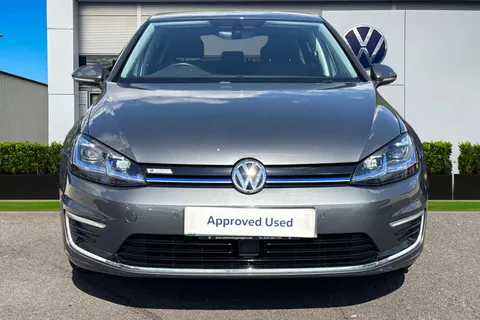
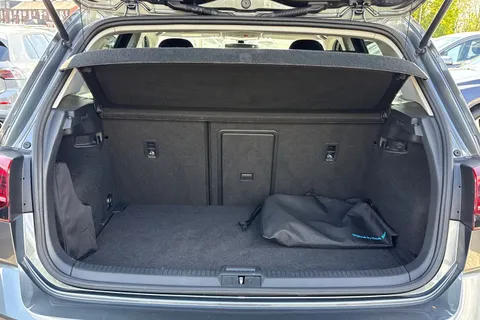
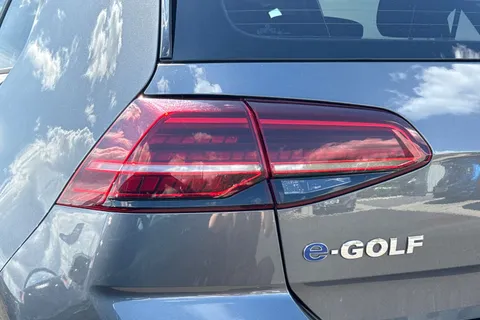
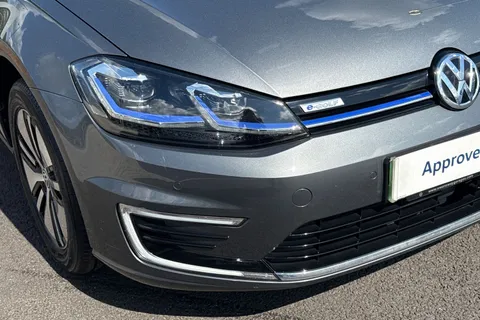
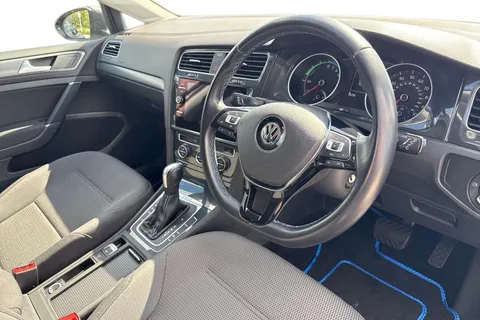
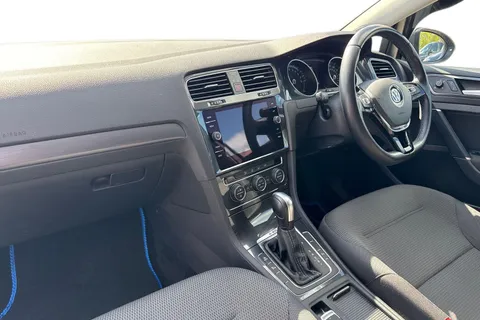
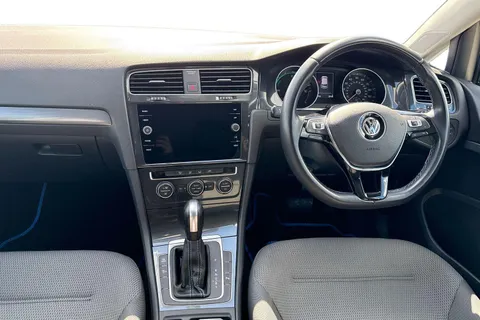
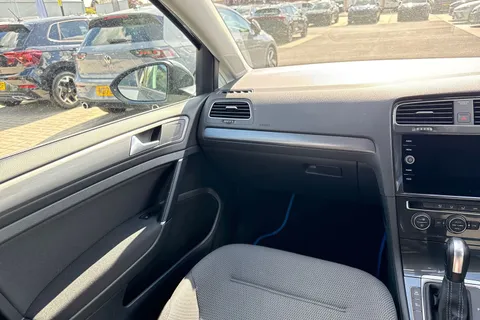
- Go to Volkswagen E-Golf 99kW e-35kWh 5dr Auto
£10,490
12.9%APR£184/Month2020 Volkswagen E-Golf
99kW e-35kWh 5dr Auto
- 2020
- VU70HSA
- Electric
- Automatic
- 35,732 Miles
- Grey
- 144 Miles Range
Oldham Volkswagen - Go to PEUGEOT e-2008 50kWh Allure Premium Auto 5dr
This vehicle is currently reserved. We may have a similar vehicle in stock, so please Contact us for more details and we’ll get back to you.
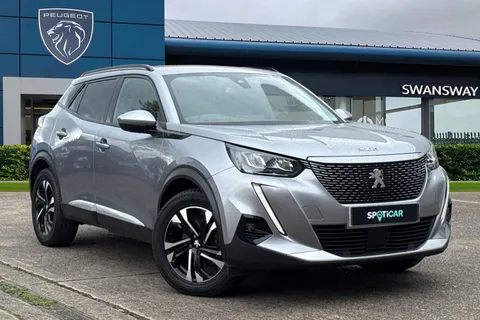
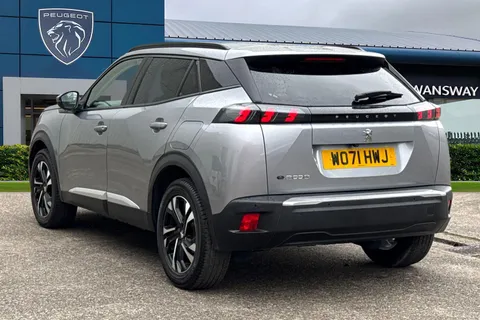
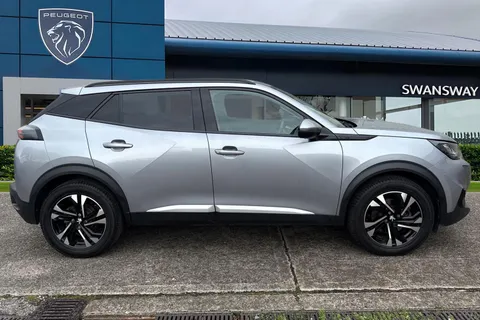
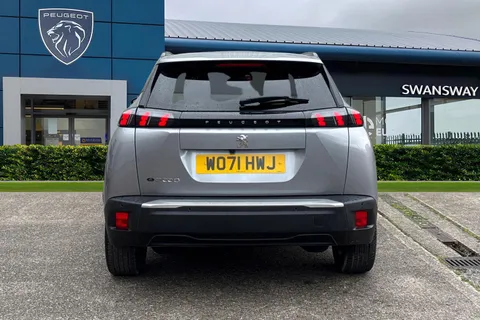
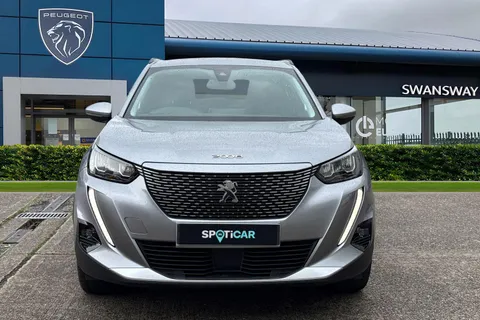
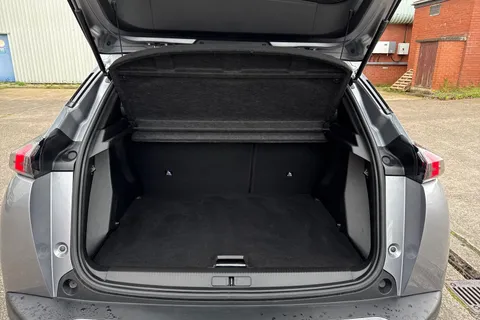
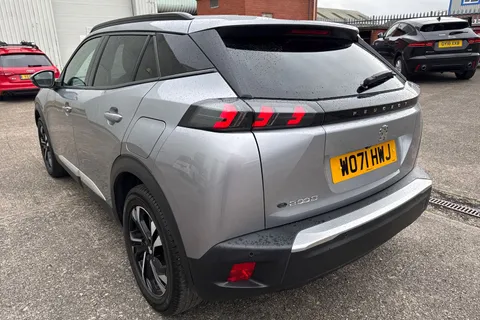
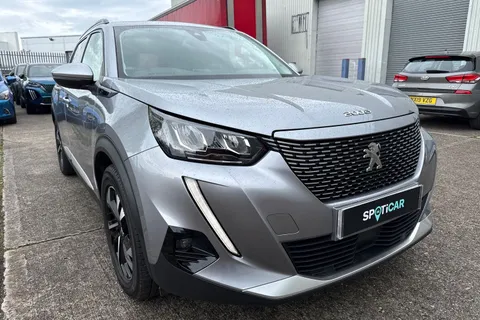
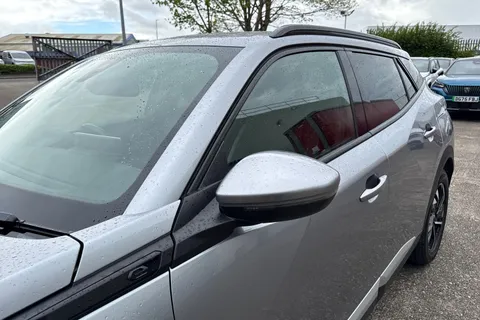
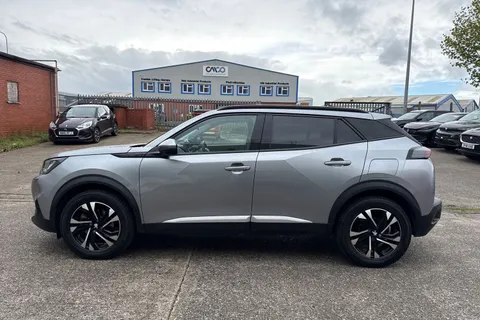
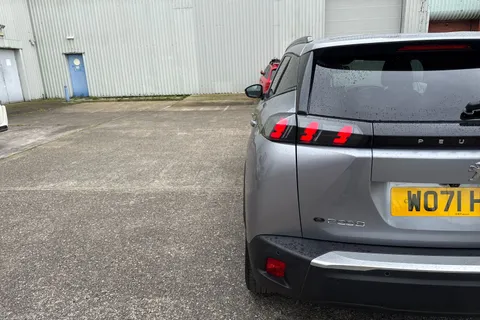
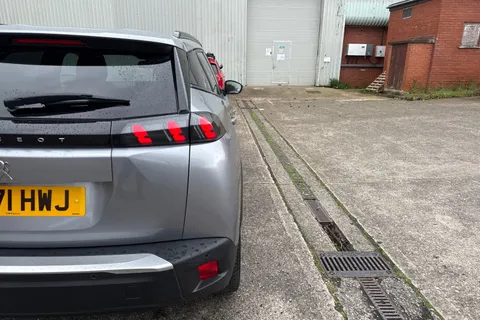
2021 PEUGEOT e-2008
50kWh Allure Premium Auto 5dr
- 2021
- WO71HWJ
- Electric
- Automatic
- 34,364 Miles
- Grey
- 206 Miles Range
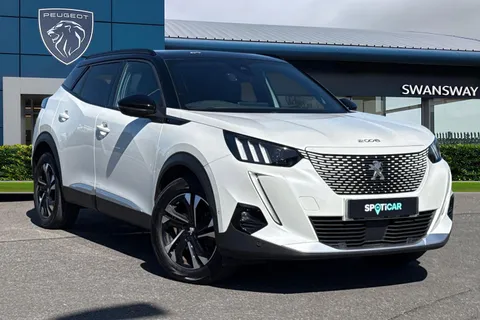
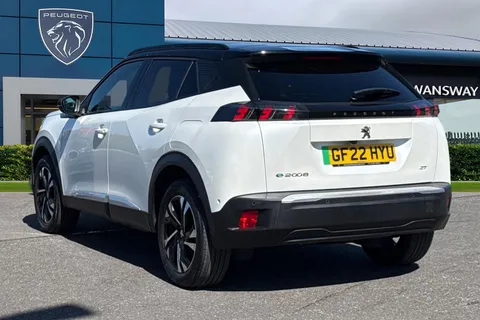
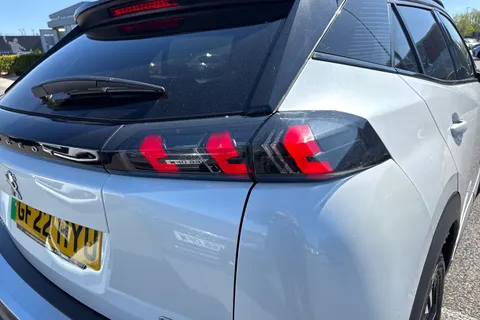
Swansway Chester PEUGEOT - Go to PEUGEOT e-2008 50kWh GT Auto 5dr (7kW Charger)
£11,495
£11,450
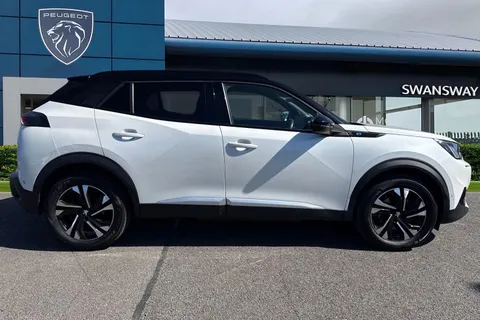
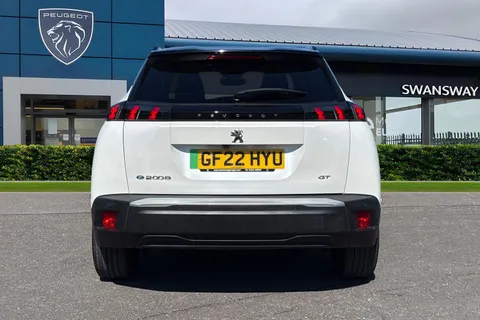
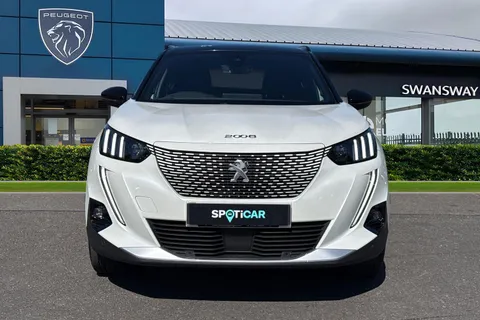
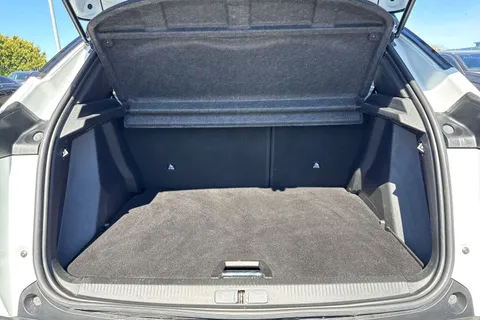
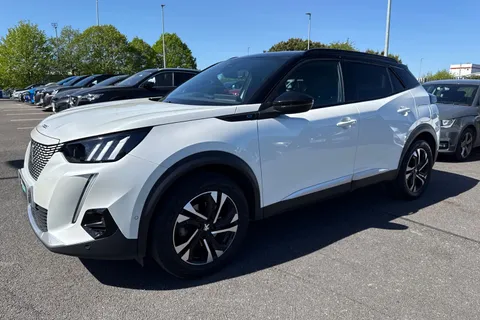
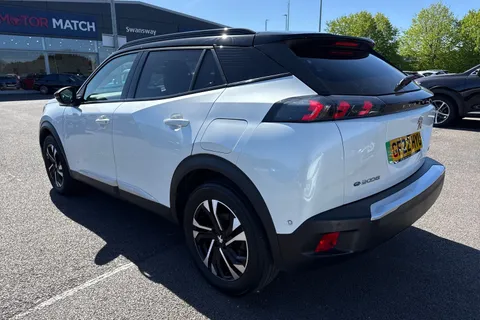
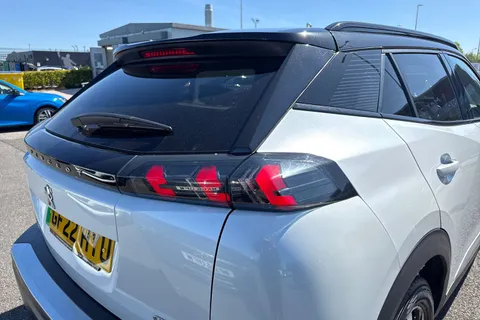
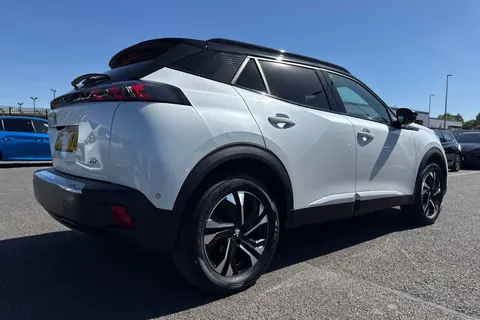
12.6%APR£210/Month2022 PEUGEOT e-2008
50kWh GT Auto 5dr (7kW Charger)
- 2022
- GF22HYU
- Electric
- Automatic
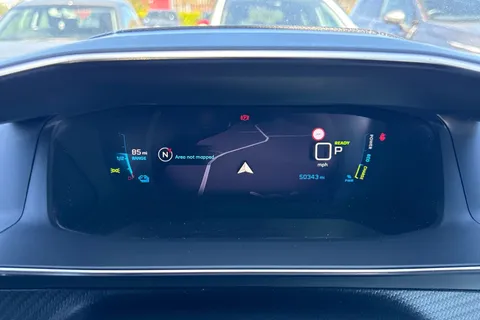
- 50,343 Miles
- White
- 214 Miles Range
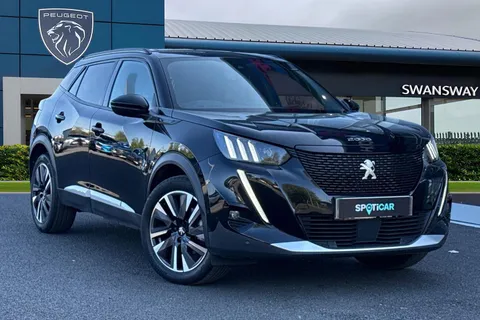
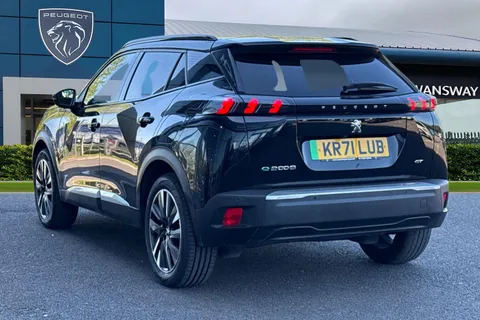
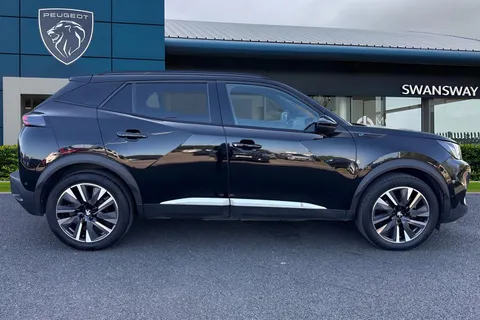
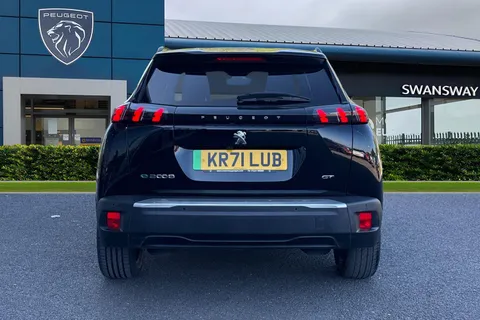
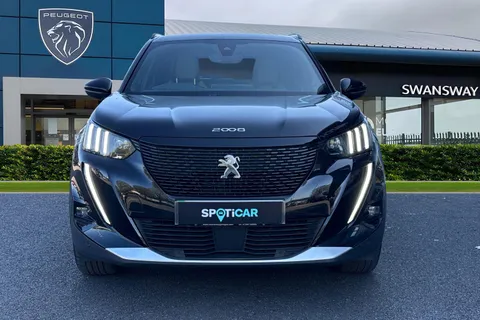
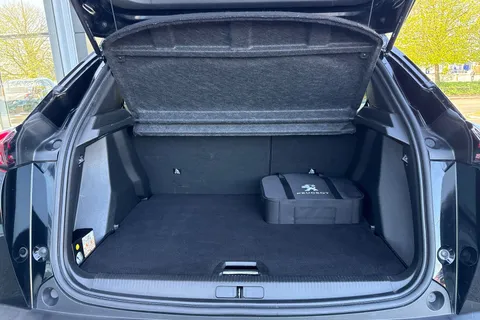
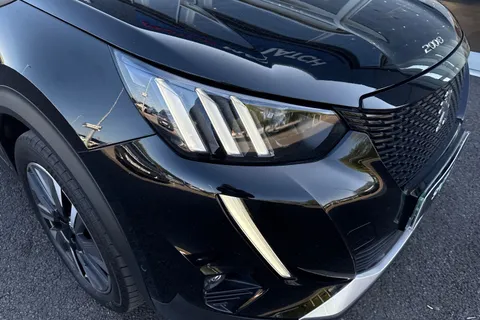
Swansway Chester PEUGEOT - Go to PEUGEOT e-2008 50kWh GT Premium Auto 5dr
£11,495
£11,450
12.6%APR£212/Month2021 PEUGEOT e-2008
50kWh GT Premium Auto 5dr
- 2021
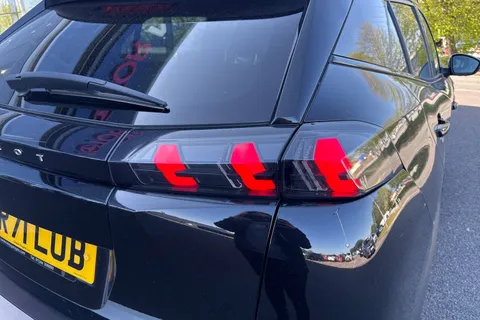
- KR71LUB
- Electric
- Automatic
- 49,297 Miles
- Black
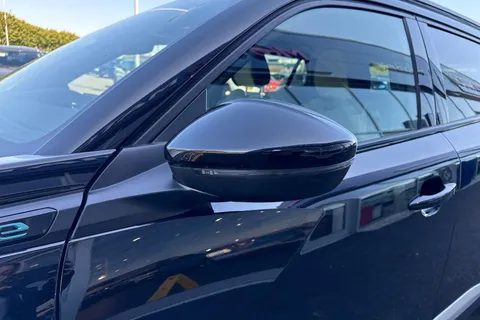
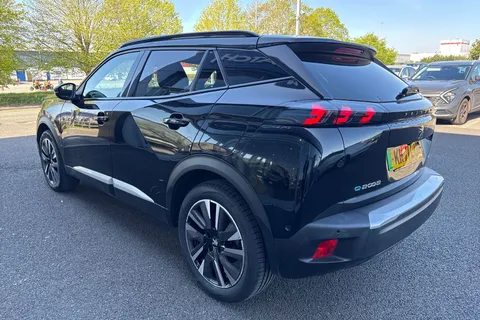
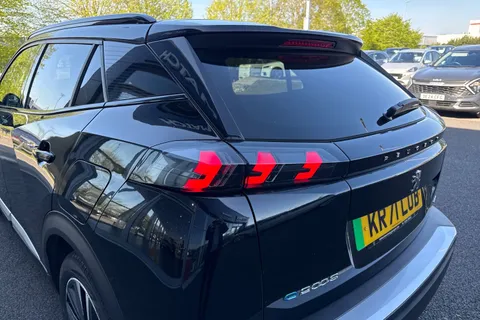
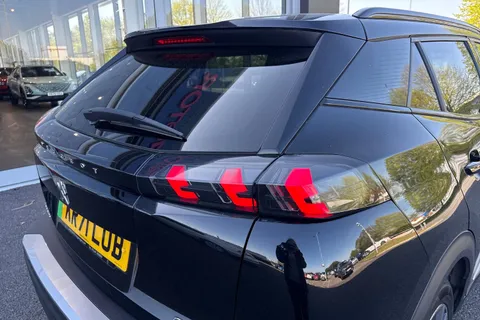
- 206 Miles Range
Swansway Chester PEUGEOT