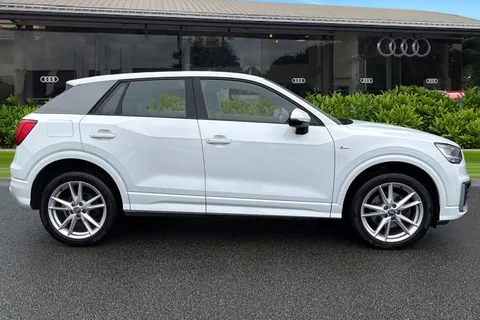
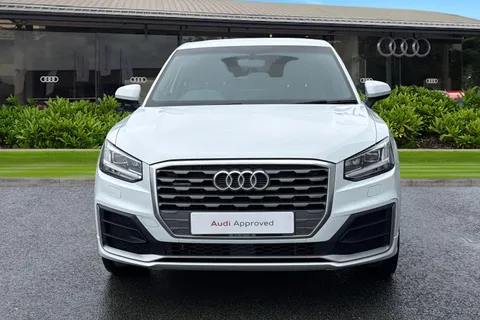
What Audi’s Naming System Really Means
If you’ve ever stood behind an Audi at a traffic light and wondered what those letters and numbers actually stand for, you’re not alone. From A3 to Q8, and 35 TFSI to 50 TDI, Audi’s naming system can feel like a secret code. However, once you understand it, it’s surprisingly logical - and even helpful when comparing models. We break it down in this blog.
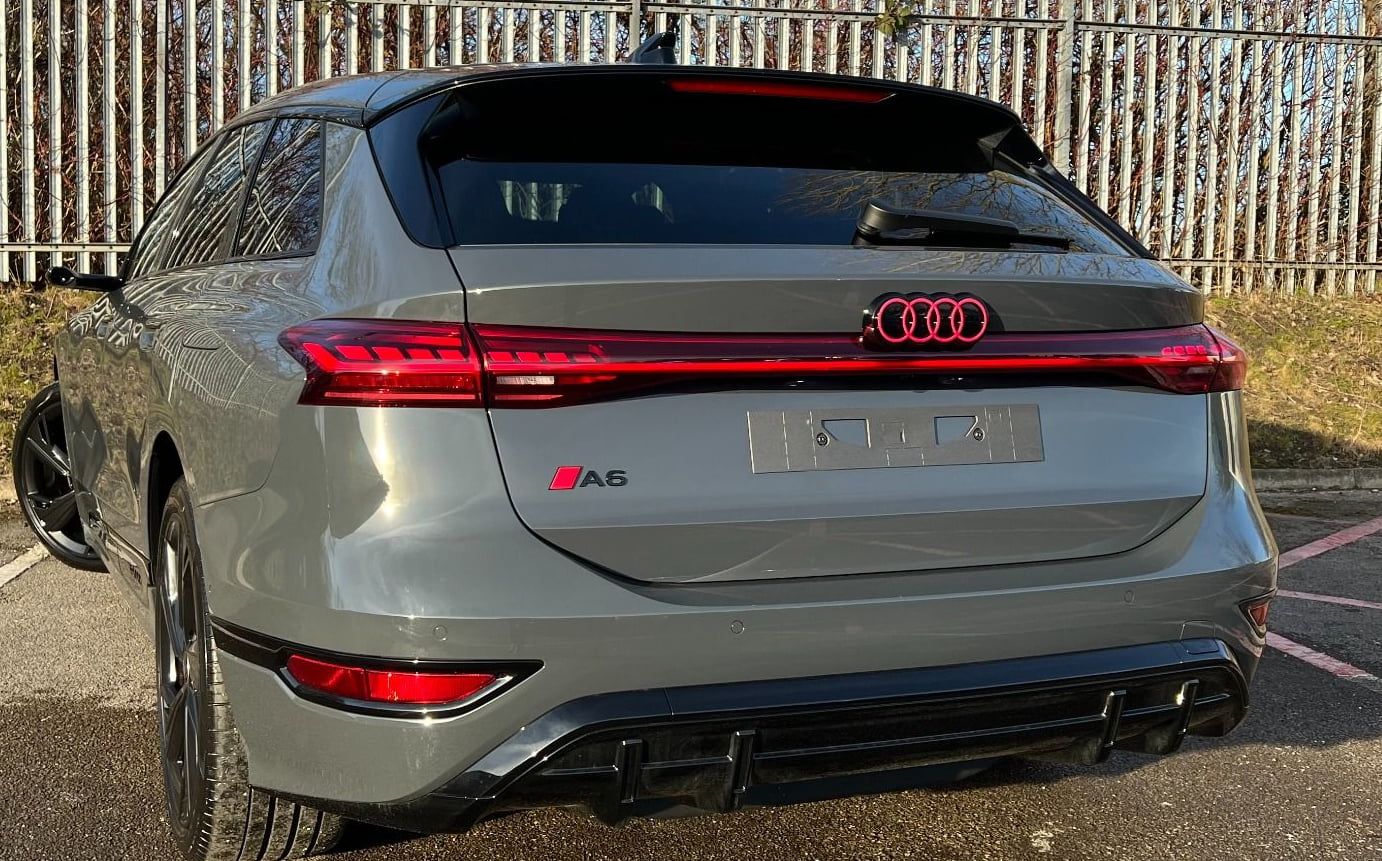
The Audi Model Name: A, Q, S and RS
The first part of the badge tells you the type of vehicle you’re looking at.
- A models (A1, A3, A4, A6, A8) These are Audi’s standard cars, ranging from compact hatchbacks to large executive saloons.
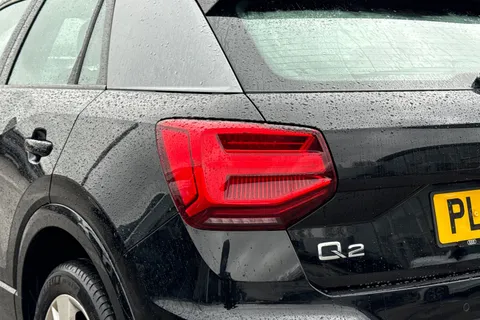
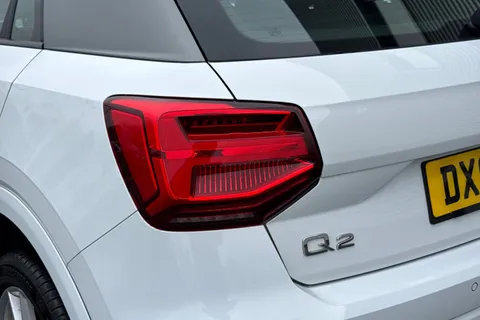
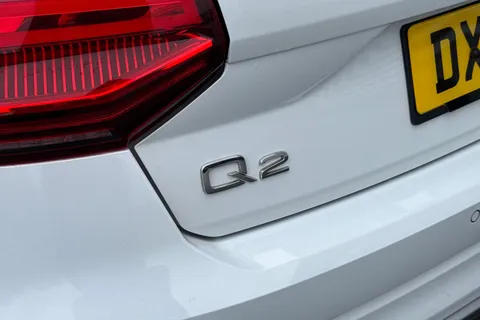
- Q models (Q2, Q3, Q5, Q7, Q8) The “Q” stands for SUVs and crossovers. The higher the number, the larger and more premium the vehicle.
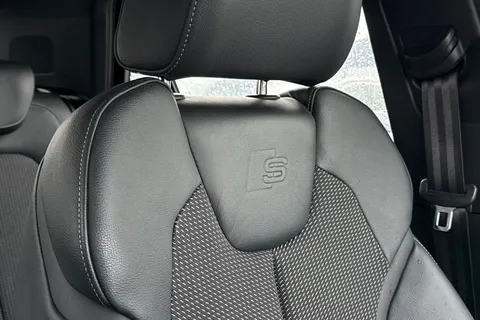
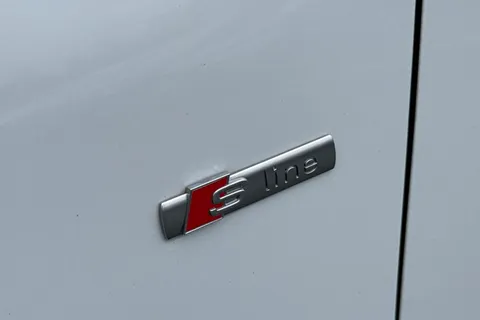
- S models (S3, S4, SQ5, etc.) These are performance-enhanced versions of the standard A and Q cars - faster, sportier, and more aggressive in design.
- RS models (RS3, RS6, etc.) This is Audi’s top-tier performance line. Think of these as track-inspired, road-legal machines.

The Audi Number: Size and Position in the Range
The number (like 3, 4, 6, or 8) generally indicates the size and class of the vehicle.
- Smaller numbers = Smaller cars (A1, A3)
- Larger numbers = Bigger, more luxurious cars (A6, A8)
So, an A3 is a compact family car, while an A6 is a larger executive saloon.

The Audi Engine Badges: What Do 30, 35, 40, 45, 50 Mean?
This is where things get a bit more confusing - and where Audi changed the game. Instead of showing engine size (like 2.0L), Audi now uses two-digit numbers like:
- 30
- 35
- 40
- 45
- 50
- 55
These numbers don’t directly tell you engine size. Instead, they represent power output ranges.
Here’s a simplified idea:
- 30-35 - Lower power (efficient, everyday driving)
- 40-45 - Mid-range power (balanced performance)
- 50+ - High performance (fast and powerful)
So, a “45” badge is more powerful than a “35,” regardless of the engine type.

Audi TFSI, TDI, and e-tron: The Fuel Type
After the number, you’ll usually see letters that indicate the type of engine:
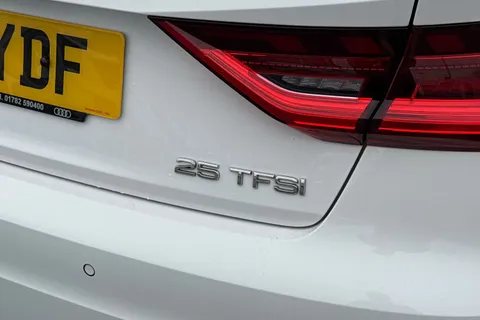
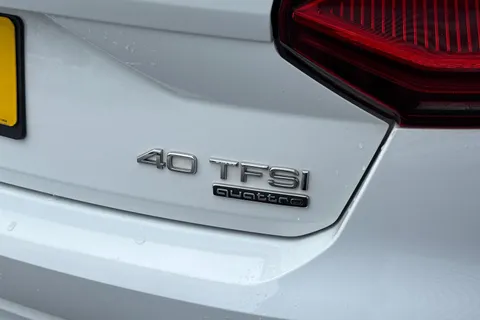
- TFSI - Petrol engine
- TDI - Diesel engine
- e-tron - Fully electric
- TFSI e - Plug-in hybrid
For example:
- A4 35 TFSI - Petrol, mid-low power
- A6 50 TDI - Diesel, high power
- Q4 e-tron - Fully electric SUV
Audi’s Quattro All-Wheel Drive
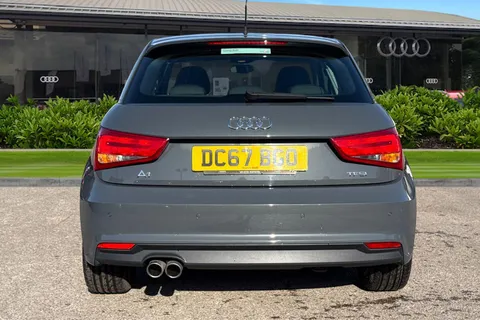
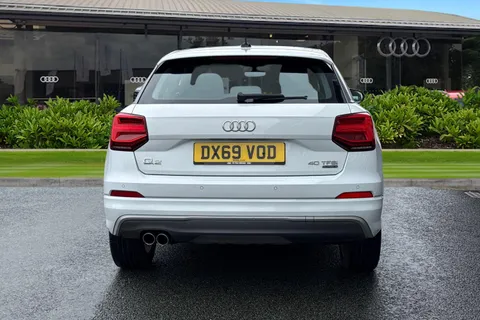
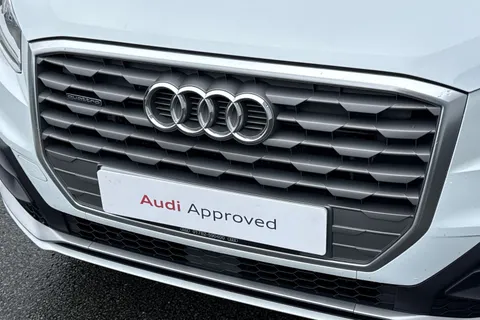
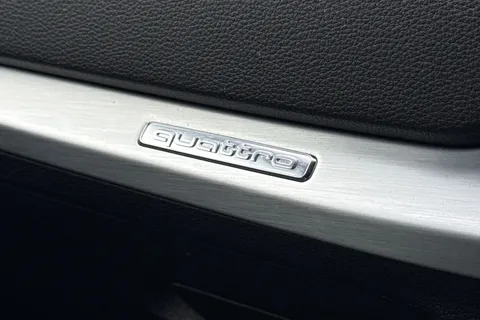
If you see “quattro” on the back of an Audi model, it means the car has Audi’s all-wheel-drive system. This improves grip, especially in wet or slippery conditions.
Putting it all Together: What Does an Audi Model Look Like
Let’s decode a full example:
Audi A5 45 TFSI quattro
- A5 - Mid-size coupe/saloon
- 45 - Strong performance level
- TFSI - Petrol engine
- quattro - All-wheel drive
So, this is a sporty, mid-size petrol car with solid performance and enhanced traction.

Why Did Audi Change their Naming System
Audi moved away from engine-size badges to reflect modern engines more accurately. With turbocharging, hybrids, and electric vehicles, engine size alone no longer tells the full story.
The new system focuses on performance rather than engine capacity, which makes more sense as technology evolves.
Final Thoughts on the Audi Naming System
At first glance, Audi badges might seem confusing, but once you understand the structure, they actually give you a quick snapshot of the car’s size, performance, and powertrain. Next time you’re behind an Audi, you won’t just see a random set of numbers - you’ll know exactly what you’re looking at. That then makes you one step closer to speaking fluent “car.”
Browse our stock of Audi cars
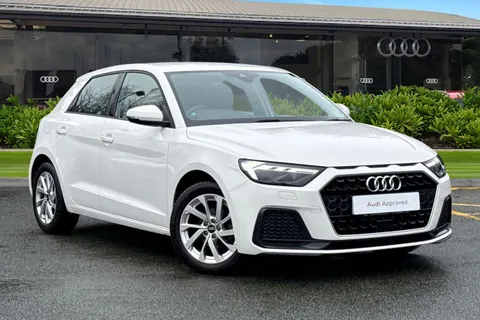
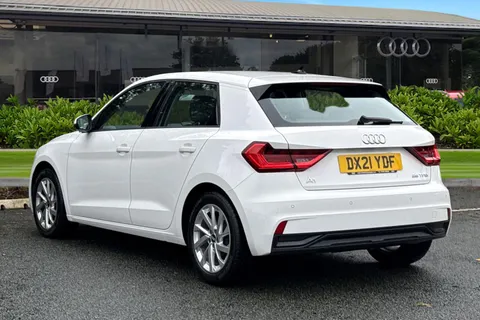
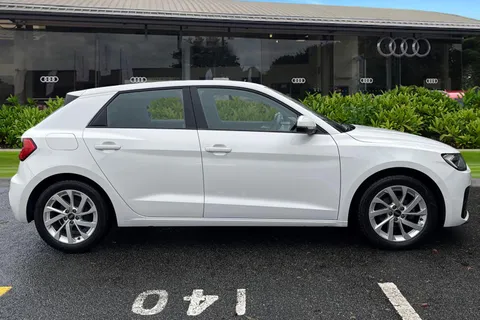
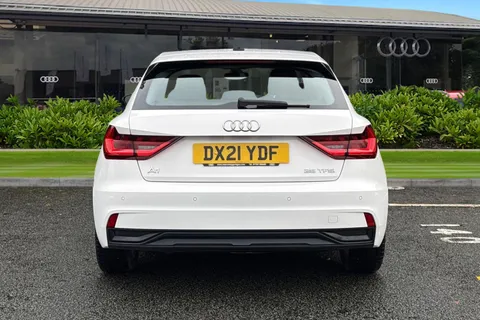
- Go to Audi A1 Sport 25 TFSI 95 PS 5-speed
£13,750
Finance Available
Affordable options for you2021 Audi A1
Sport 25 TFSI 95 PS 5-speed
- 2021
- DX21YDF
- Petrol
- Manual
- 49,747 Miles
- White
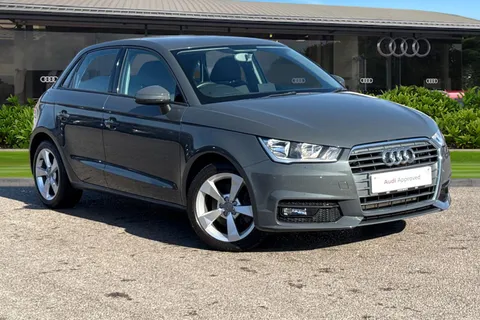
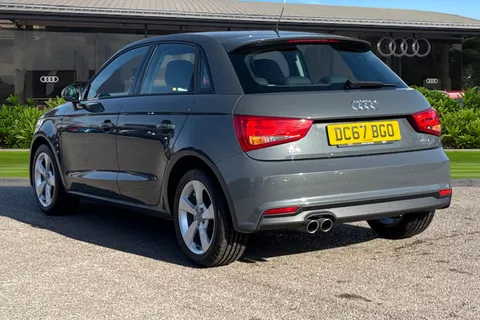
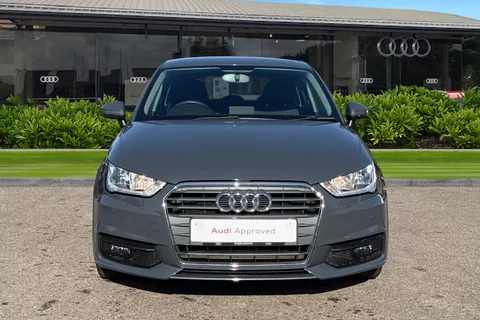
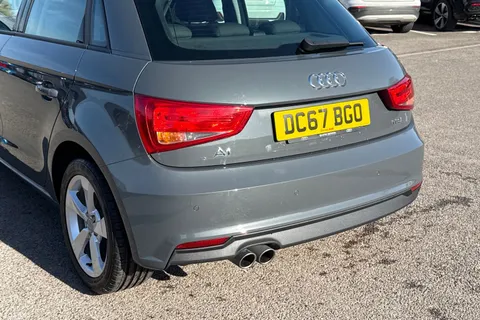
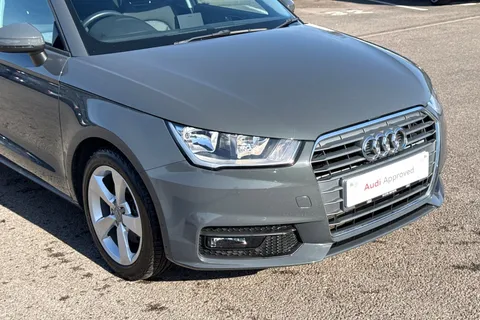
Stoke Audi - Go to Audi A1 1.4 TFSI Sport Sportback Euro 6 (s/s) 5dr (Nav)
£13,990
Finance Available
Affordable options for you2018 Audi A1
1.4 TFSI Sport Sportback Euro 6 (s/s) 5dr (Nav)
- 2018
- DC67BGO
- Petrol
- Manual
- 9,425 Miles
- Grey
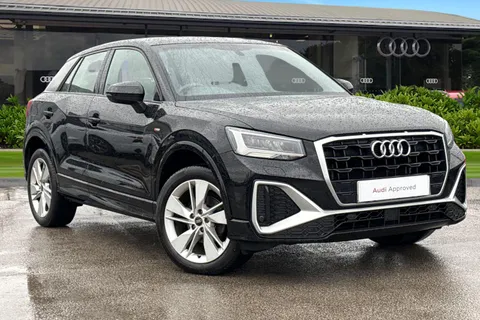
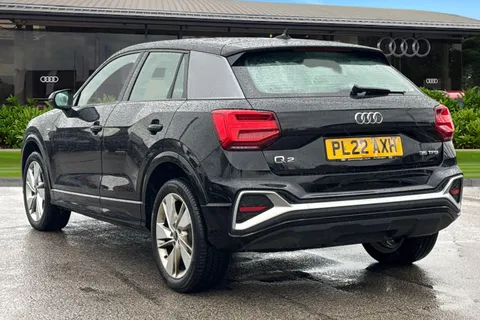
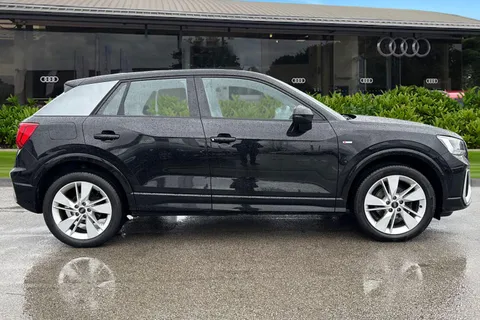
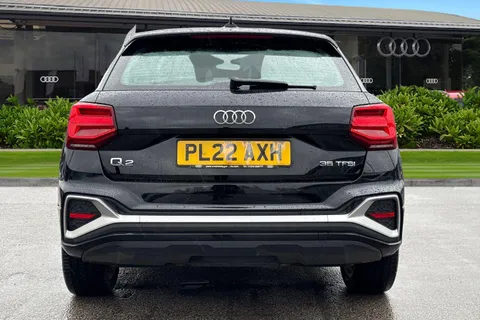
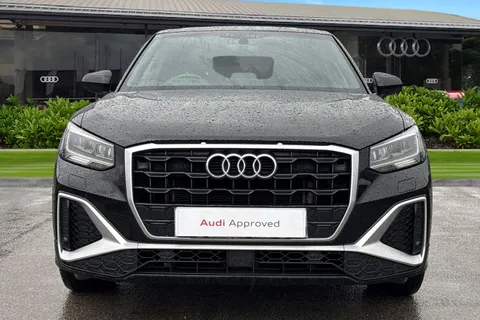
Crewe Audi - Go to Audi Q2 S line 35 TFSI 150 PS 6-speed
£16,490
£14,490
Finance Available
Affordable options for you2022 Audi Q2
S line 35 TFSI 150 PS 6-speed
- 2022
- PL22AXH
- Petrol
- Manual
- 59,850 Miles
- Black
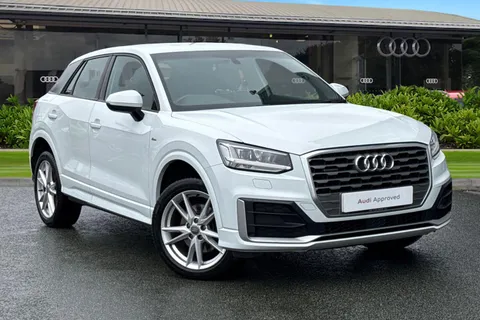
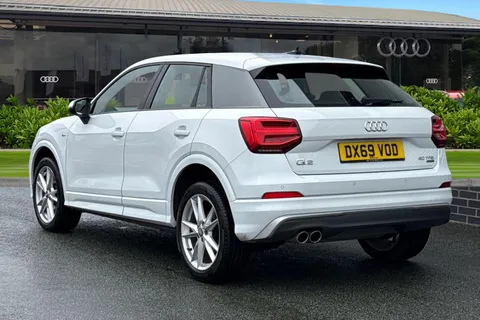
Blackburn Audi - Go to Audi Q2 S line 40 TFSI quattro 190 PS S tronic
£14,950
£14,750
Finance Available
Affordable options for you2019 Audi Q2
S line 40 TFSI quattro 190 PS S tronic
- 2019
- DX69VOD
- Petrol
- Automatic
- 73,000 Miles
- White
Stoke Audi