What Is Torque in Vehicles?
Torque is the twisting force your car’s engine produces to move the vehicle. It’s measured in Newton metres (Nm), and the higher the Nm, the greater your car’s pulling power. Simply put, torque is what allows your car to start moving from a standstill, carry heavy loads, or tow a caravan, trailer, or horsebox.
Think of torque as the strength of your car — while horsepower keeps it going at speed, torque gives it the muscle to get moving.
To summarise:
- Torque is a measuring of twisting force
- It's measure in Newton metres - Nm
- The higher the Nm number, the greater the cars' pulling power
- Torque is what you need to start from stationary
- The more torque the easier it is to tow a caravan, trailer or horsebox

Why does a car need torque?
I like to keep life simple, so instead of using scientific jargon, let’s explain torque with everyday examples.
Every engine produces two types of power: horsepower (measured in bhp or PS) and torque. Horsepower usually peaks at higher revs, while torque is strongest at lower revs. Of the two, torque is the one most of us use every day.
Torque is the force that gets your car rolling from a standstill. If you’ve ever noticed a driver gently blipping the throttle as the lights turn from red to orange, that’s torque in action. Even moving the engine from idle to around 1,200 rpm provides enough torque to overcome the car’s weight and start moving smoothly.
In simple terms, torque helps your car start, pull loads, and handle hills without struggling. It’s what makes everyday driving feel effortless, and why cars with higher torque can tow a caravan or carry heavy loads with ease.

Let’s give you an example and take a couple of typical cars
A Fiat 500 MPW mini people carrier with a 1.4 petrol engine produces its maximum horsepower at 5,000 rpm, but full torque at half that, 2,500 rpm. A 1.4 petrol SEAT Ateca SUV gives max horsepower at 5,000 rpm, but peak torque at just 1,500.
Torque is what you need for a vehicle to pull itself against gravity when you go up a hill, or to overcome the weight of a few passengers or an unusually heavy load in the boot and if you tow a caravan, horsebox, boat or similar, then the more of it you have, the easier you’ll find driving. It’s that sense of strength you feel as the engine rumbles at low revs, but pulls the weight behind.
As a rule of thumb a bigger capacity engine with more cc produces more torque. The units for measuring torque are expressed as Nm (Newton metres) and if you go from a 1.6 diesel SEAT Ateca which has 250 Nm, to a 2.0 litre diesel, the torque jumps up to 340 Nm.
Without going into specifics about their different combustion processes, diesels are much better than petrol engines for torque which is why they’re so well suited to bigger, heavier cars.
A 1.6 diesel Golf has 260 Nm against the 200 Nm of the 1.5 petrol version and you’d definitely feel the difference.

Can I feel the torque working?
Going up a hill, perhaps fourth gear, instead of having to drop down to third and rev it (which drinks fuel), accelerating for an overtaking manoeuvre without needing to change down a gear or two and loping along at motorway speeds with the engine nice and relaxed. You’ll notice it too at the filling station, because a diesel needs far fewer revs to give you the power you want and that in itself, regardless of any other factor, will save you fuel.
A couple of things though are changing in the market thanks to technology. One is that a lot of the latest petrol engines have very small cubic capacity with a 1.0 litre engine becoming quite common these days, but often they're turbocharged. Turbocharging is a way of using the gases in the exhaust system to force the petrol/air mix into the engine at high pressure which liberates more power and most especially, more torque, and the best of them are little marvels.
One of the most outstanding of these little marvels is the 1.4 TSi used throughout the Volkswagen Group which goes a stage further because it’s both turbocharged and supercharged.
The turbo needs the exhaust gases, so the more volume flowing through, the more basic energy it can use, but that needs revs; because the TSi is also supercharged this also forces the petrol/air mix in under pressure, but works in a different way and at much lower revs. The result is that the TSi gives you lots of torque and bhp across a much wider range, from the moment you start accelerating all the way through the mid speeds. It is very impressive.
So much so that in the International Engine of the Year awards the 1.4 TSi won the 1.0 to 1.4 litre category for every single year from when it was launched in 2006 – when it was also voted the overall winner, the best in the world - to 2014.
Since then class honours have gone to a similar design from Peugeot-Citroën whose little 1.2 is used from small hatchbacks up to big MPV like the Peugeot 5008 or Citroën C4 Grand SpaceTourer. So exceptionally good is this little unit, so capable at doing the job of powering cars from little hatchbacks to seven seaters that it’s been voted the class winner from 2015 to 2018 and there’s nothing to say it won’t win again next year.

Which engine delivers ultimate and effortless torque?
Well, here's the surprise; for ultimate torque you need a purely electrically driven car!
An electric motor generates a lot of torque and 100% of it comes instantly, from the moment the motor starts turning; which is one reason why electric cars and their acceleration times are causing supercar manufacturers a few sleepless nights!
Summary: Torque of a Car Meaning
Understanding torque is key to knowing how a car performs in real-world driving. Torque is essentially the engine’s twisting force, and it’s what gives your vehicle the ability to start moving, carry passengers or cargo, climb hills, and tow trailers or caravans. Different engines deliver torque in different ways, and knowing what to look for can help you choose a car that suits your driving needs. Here’s a quick breakdown of what torque means for your car:
- Torque is the engine’s twisting force measured in Nm – the higher the number, the more pulling power your car has.
- It’s essential for starting, towing, and carrying loads – without sufficient torque, even a lightweight car can feel sluggish.
- Bigger engines or turbocharged/supercharged engines produce more torque – giving more power at lower revs for effortless driving.
- Electric cars deliver instant torque for effortless acceleration – making them feel powerful from the very first moment you press the pedal.
Whether you’re looking at a petrol, diesel, or electric vehicle, understanding what is torque of a car ensures you select a car that performs smoothly in all everyday situations — from city driving to towing and beyond.
Explore Our Range of Vehicles
Whether petrol, diesel, or electric, find cars with the torque and performance you need to make every drive effortless.
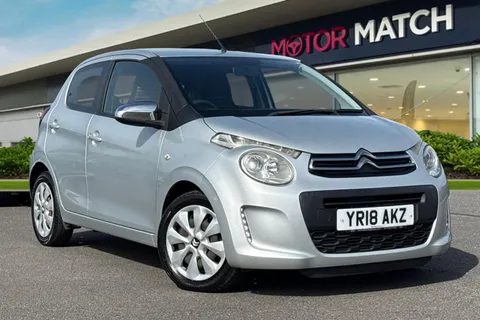
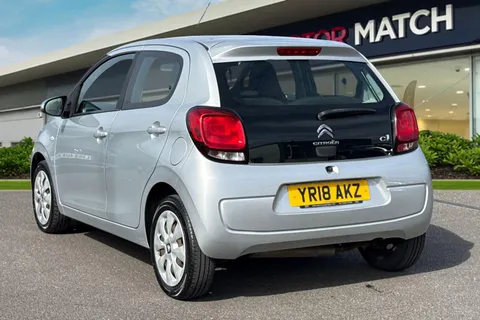
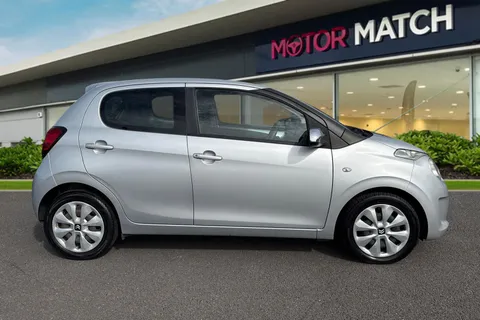
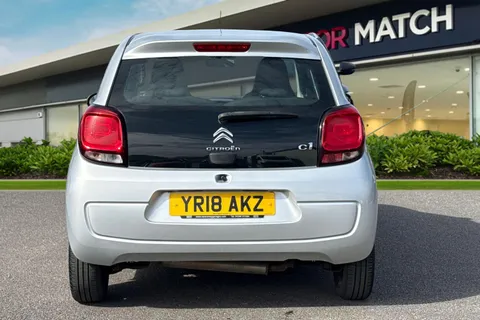
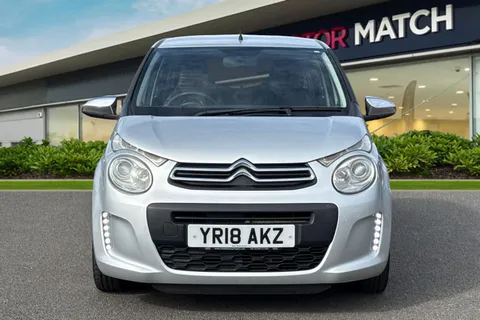
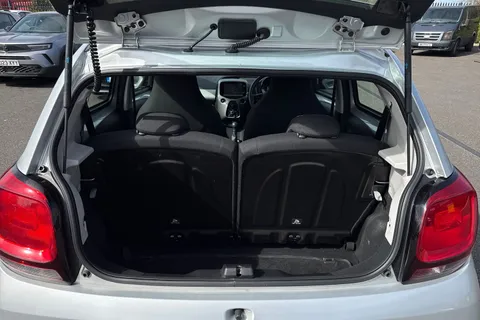
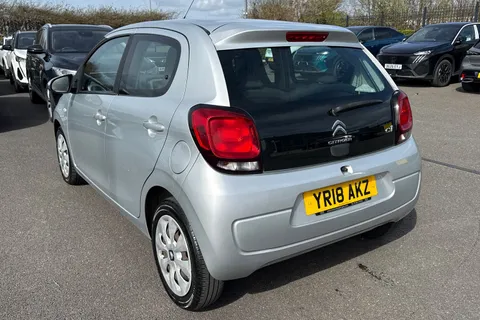
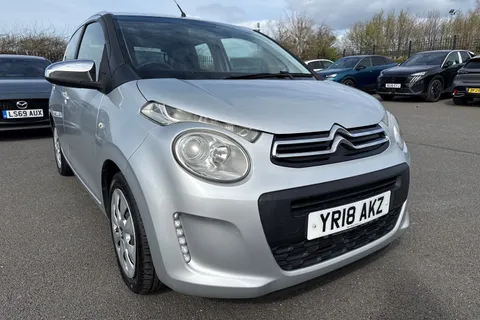
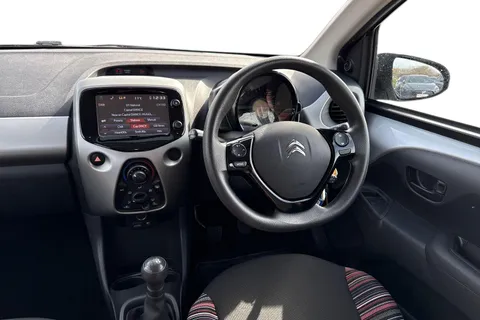
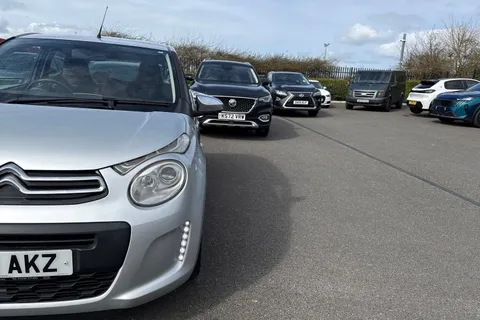
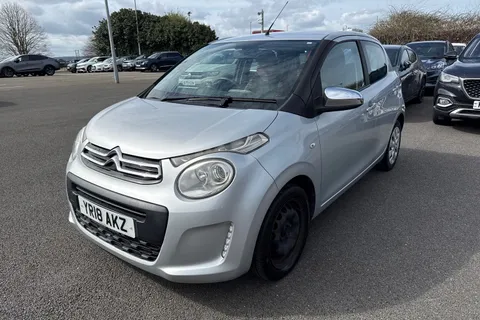
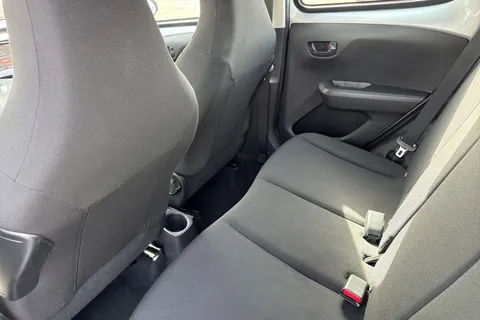
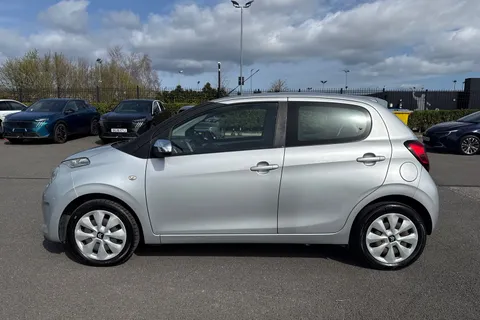
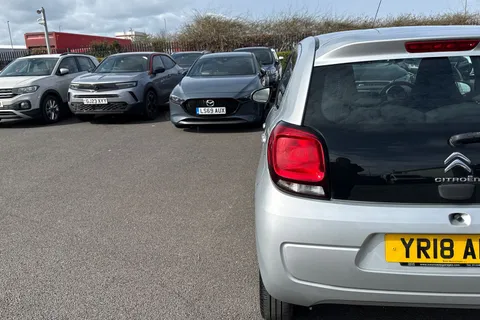
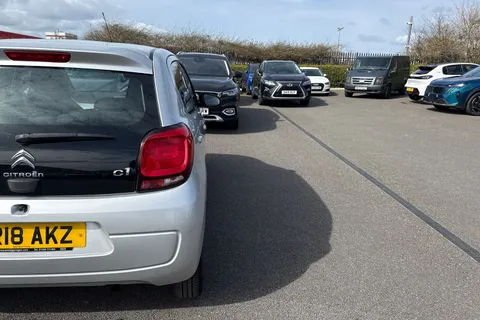
- Go to Citroën C1 1.2 PureTech Feel Euro 6 5dr
£4,200
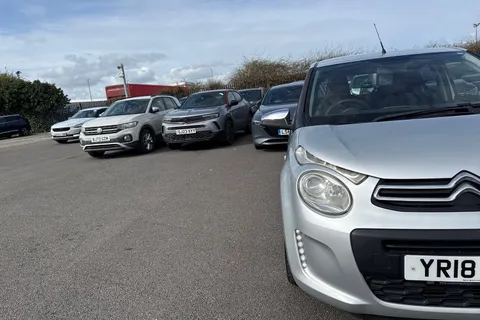
11.9%APR£83/Month2018 Citroën C1
1.2 PureTech Feel Euro 6 5dr
- 2018
- YR18AKZ
- Petrol
- Manual
- 61,982 Miles
- Grey
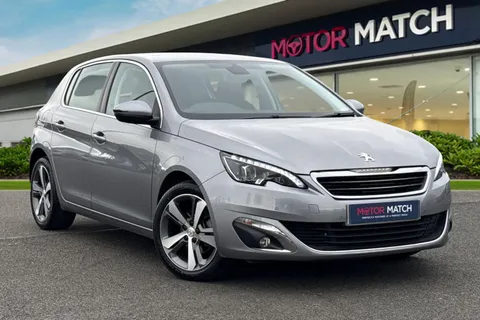
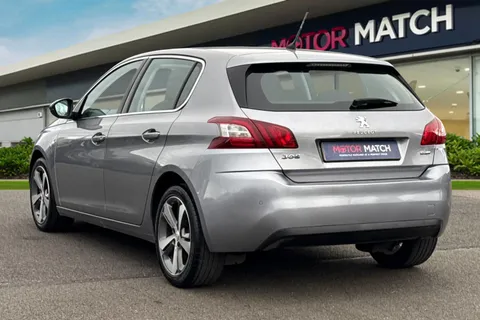
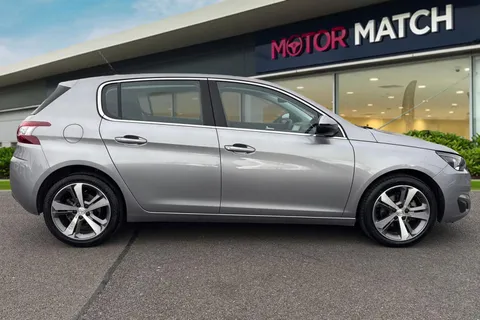
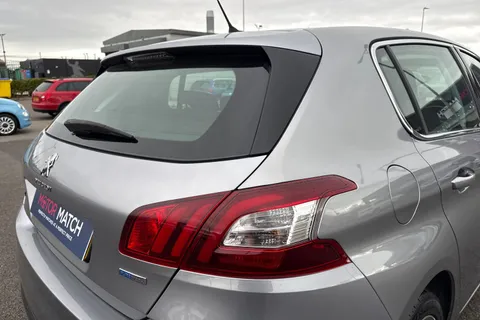
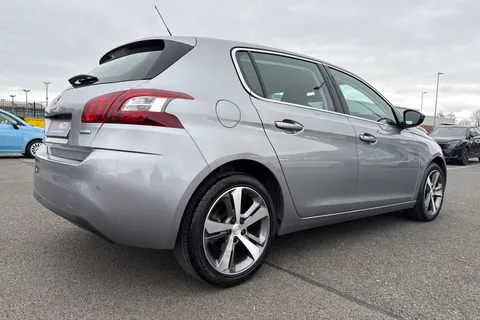
Motor Match Chester - Go to PEUGEOT 308 1.2 PureTech Allure Euro 6 (s/s) 5dr
£5,995
Finance Available
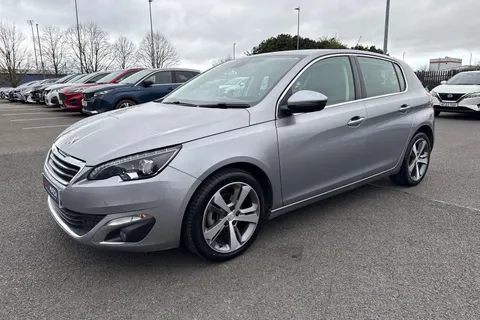
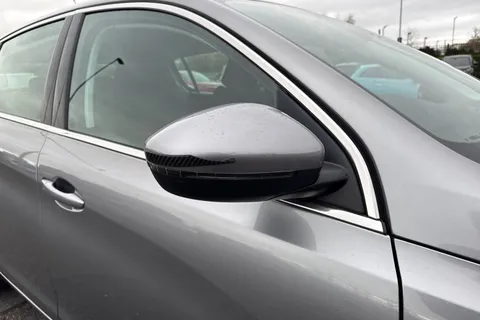
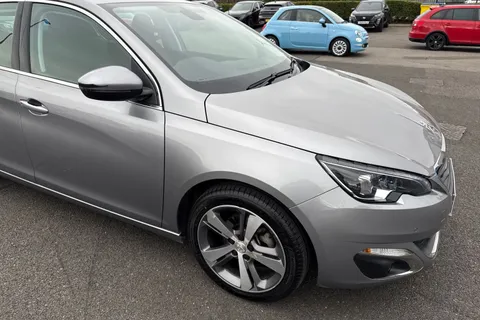
Affordable options for you2016 PEUGEOT 308
1.2 PureTech Allure Euro 6 (s/s) 5dr
- 2016
- PX16PKU
- Petrol
- Manual
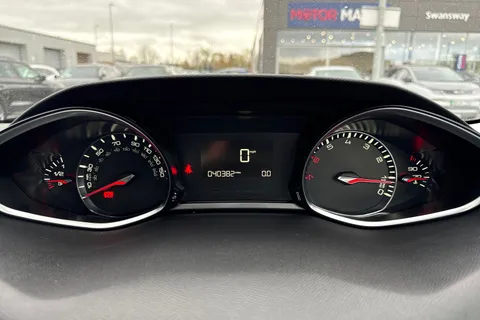
- 40,382 Miles
- Grey
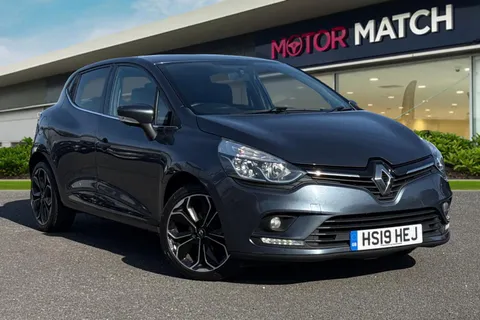
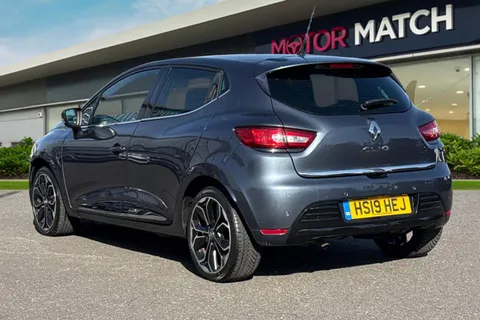
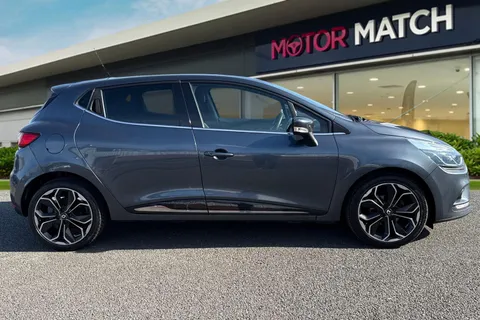
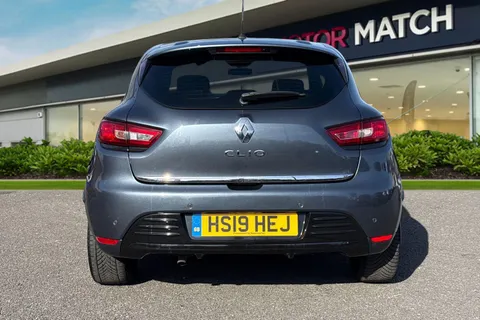
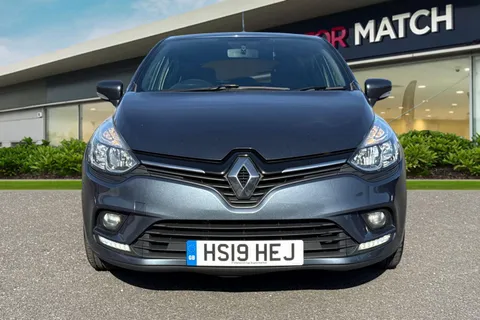
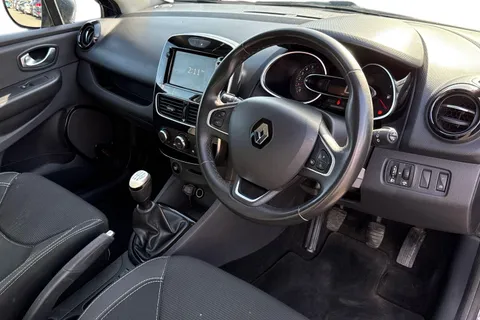
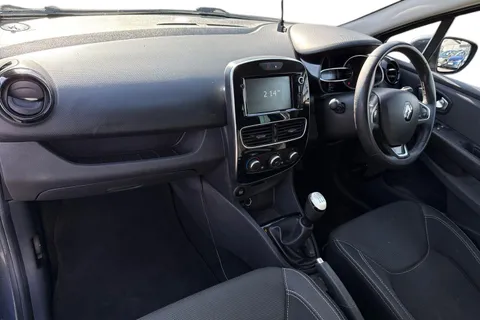
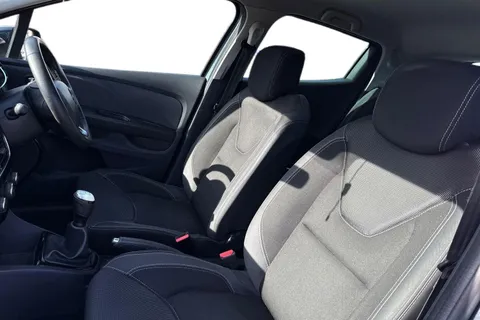
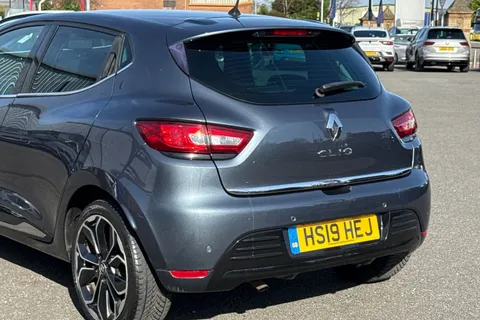
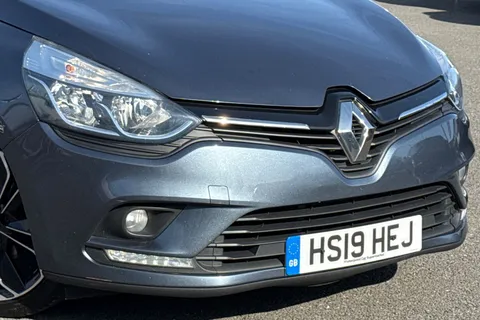
Motor Match Chester - Go to Renault Clio 0.9 TCe Iconic Euro 6 (s/s) 5dr
£6,200
£5,999
11.9%APR£130/Month2019 Renault Clio
0.9 TCe Iconic Euro 6 (s/s) 5dr
- 2019
- HS19HEJ
- Petrol
- Manual
- 79,073 Miles
- Grey
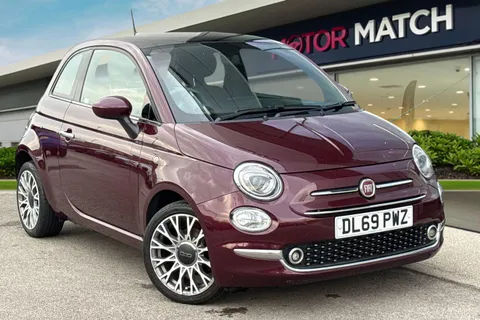
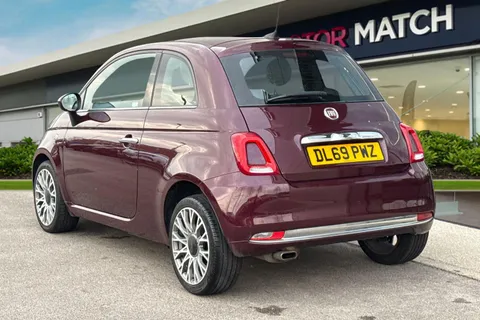
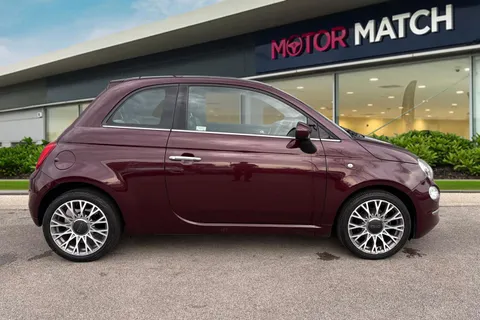
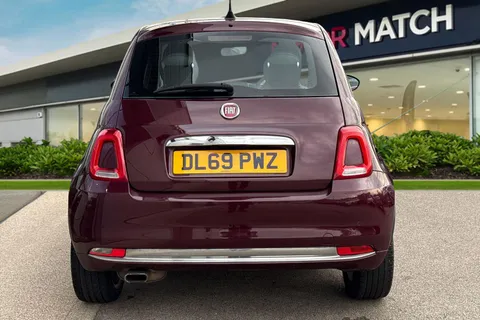
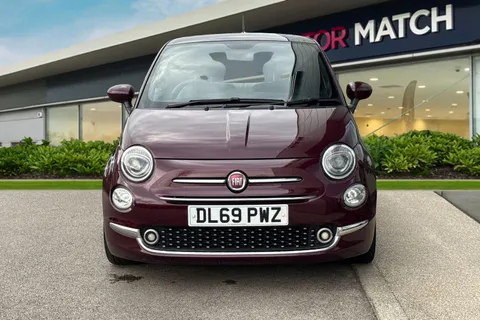
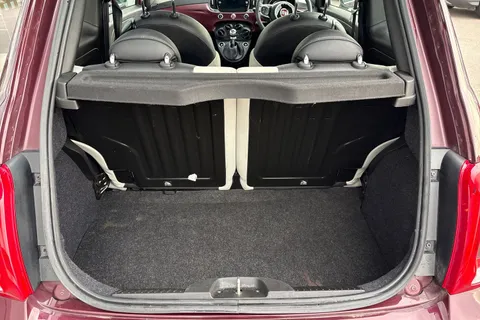
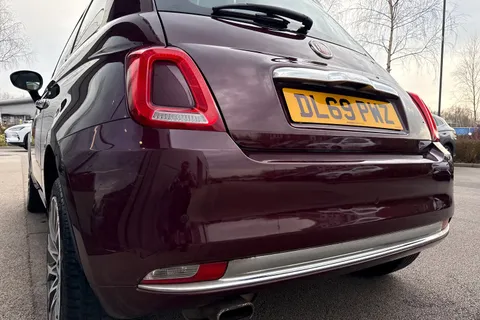
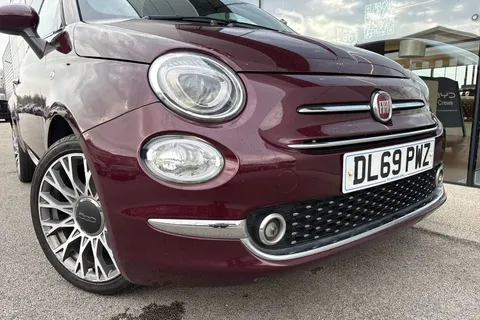
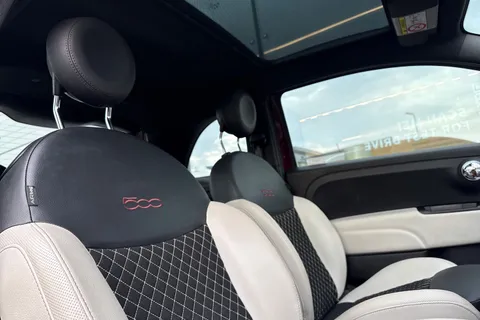
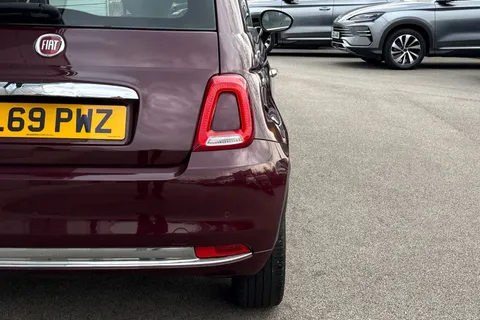
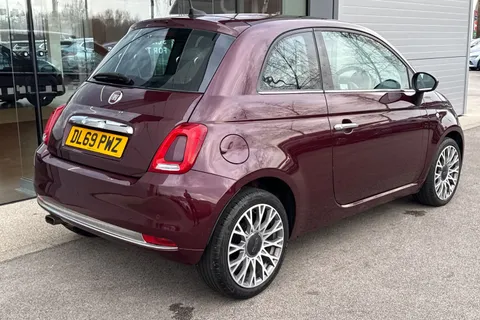
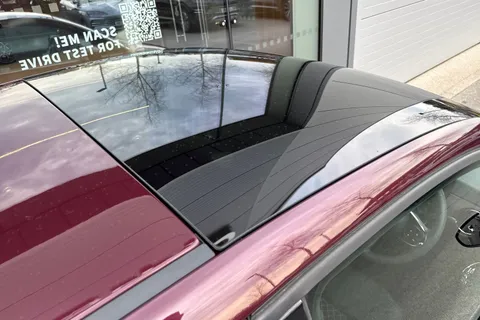
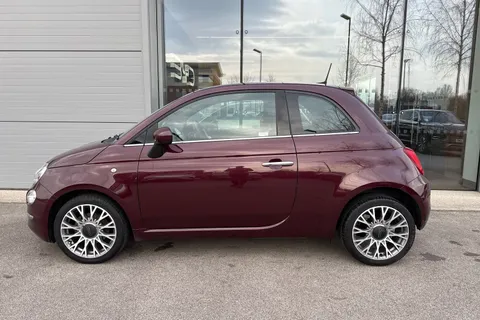
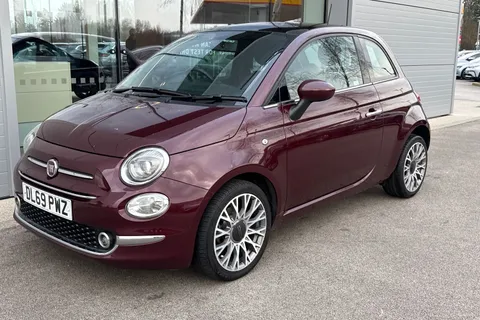
Motor Match Bolton - Go to FIAT 500 1.2 Star Euro 6 (s/s) 3dr
£7,490
£6,991
11.9%APR£156/Month2019 FIAT 500
1.2 Star Euro 6 (s/s) 3dr
- 2019
- DL69PWZ
- Petrol
- Manual
- 41,363 Miles
- Red
Motor Match Crewe