What does a 26 plate mean?
If you’ve ever wondered why some cars on the road carry the “26” or “76” plates - wonder no further. Understanding the UK number plate system helps you decide vehicle age, spot bargains, and even maximise resale value. Let’s break it down in simple terms.

Is a 26 or a 76 plate newer?
Every standard UK number plate follows this format:
AA26 ABC
- First two letters show the region where the car was registered.
- Middle number (e.g. 26 or 76) is called the age identifier and tells you when the car was first registered.
- Last three letters are a random combination to make each registration unique.
The UK system has used age identifies like this since 2001 - and it’s one of the easiest ways to tell how “new” a vehicle really is just by looking at its plate.

When does the new 26 plate come out?
Unlike some countries that update plates once a year, the UK switches registration identifiers twice a year:
The 2026 Plate Schedule
Spring/Summer “26” Plates
- Issued - 1 March 2026
- Valid Until - 31 August 2026
- Cars registered during this period carry a 26 plate
Autumn/Winter “76” Plates
- Release date - 1 September 2026
- Valid Until - 28 February 2027
- Cars registered in this period will carry 76 plates. The ‘76’ works the same way as previous September plates - it’s just the year (26) plus 50, indicating the second half of the registration year.
Why the Numbers Change Twice a Year
Since 2001, the UK has used this age identifier system where:
- March plates use the last two digits of the year
- September plates add 50 to that number
So, in 2026, you’ll see both 26 and 76 plates on new registrations.

What the Changes Mean for You
Buying New or Nearly New Cars:
- Timing your purchase around the plate changes can make a difference - cars with the freshest plates often appeal more to buyers and can hold value better.
- Many dealers run promotions around March and September plate launches because of increased interest from buyers.
Checking a Used Car:
- If you’re checking a vehicle’s age, the number plate gives you a quick clue to the first registration date - useful when comparing service history and warranty status.
Personalised and “Cherished” Plates:
- The DVLA also offers personalised plates, though these don’t always follow the standard sequence. They can be assigned to any eligible car, so their age indicator doesn’t necessarily match the vehicle’s actual registration date.

The UK number plate changes matter for several practical and financial reasons - and it’s more than just a cosmetic detail. Here’s why they’re important for drivers, buyers and sellers:
They Tell your Car’s Age
The middle digits on a UK plate - like 25, 75, 26 or 76 - are called the age identifier. They tell you roughly when the vehicle was first registered.
- Example: A car with a 26 plate was registered between March-August 2026.
- Example: A 76 plate was registered between September 2026-February 2027.
Knowing the car’s age is crucial for service history, warranty eligibility, and depreciation tracking.
They Affect Resale Value
Cars with newer plates often attract a premium in the market because buyers see them as newer or fresher vehicles, even if the car is only a few months apart in age.
- Example: A late “76” plate in early 2026 may be slightly higher than a “26” plate from the same year.
- Example: Dealers often time promotions around plate changes (March and September) because of this buyer psychology.
More Ways Number Plate Changes Matter
They can Influence Insurance Costs
Insurance premiums can depend on the vehicle’s age. Cars with newer plates sometimes have slightly lower premiums due to:
- Being newer and safer, with updated safety tech.
- Lower expected maintenance costs, which insurers consider.
So the plate you choose can affect the cost of your policy, even if the actual car is mechanically the same as an older plate version.
Timing your Purchase Matters
Many buyers deliberately plan around plate changes:
- March (26) and September (76) plates mark the official UK plate updates.
- Dealers often offer promotions and incentives around these periods.
- Choosing the right plate can give you a car that looks newer and retains value longer.
Overall, number plate changes in the UK matter and are easily worked out, and you can get more information on that by contacting us!

How Do I Buy a Registration Plate?
There are a few ways you can acquire a '26' registration plate, you can:
- Purchase through dealerships: when buying a brand-new vehicle around or after 1st March 2026, dealerships will automatically assign a '26' plate to your vehicle.
- Personalised plates: if you desire a customised '26' plate, you can purchase one through the Driver and Vehicle Licensing Agency (DVLA) or authorised private dealers. It's advisable to register your interest early, as popular combinations may sell quickly.
- Retention certificates: if you don't have a qualifying vehicle yet but want to secure a specific '26' plate, you can buy the plate and hold it on a retention certificate. This allows you to assign the plate to a suitable vehicle at a later date.
Are There Restrictions?
Yes, the DVLA enforces regulations to prevent offensive or inappropriate registration combinations. Each year, certain combinations are banned to ensure they do not cause offence or embarrassment. For the '26' series, combinations that could be interpreted as offensive have been withheld.
How Do '26' Plates Affect Vehicle Value?
The registration plate can influence a vehicle's resale value. Vehicles with newer plates, such as the '26' series, often retain higher values due to their perceived modernity. Additionally, personalised or unique plates can add a premium to the vehicle's worth, especially if they feature desirable letter and number combinations.
What Should I Consider When Choosing a '26' Plate?
When selecting a '26' registration plate, consider the following:
- Personal significance: choose combinations that reflect your name, initials, or interests.
- Investment potential: some plates appreciate over time, especially those with unique or rare combinations.
- Legality: ensure the plate adheres to DVLA regulations regarding format and content.
- Compatibility: you can’t assign a '26' plate to a vehicle registered before March 1st 2026.
FAQs on UK Number Plate Changes
Find your 26-plate car with Swansway Motor Group
Browse the latest 26-plate cars from leading brands, including Audi, Volkswagen and CUPRA
- Go to CUPRA Terramar V1 1.5 e-HYBRID DSG-auto 204PS - PCH
£395 /Month
£2 DepositCUPRA Terramar
V1 1.5 e-HYBRID DSG-auto 204PS
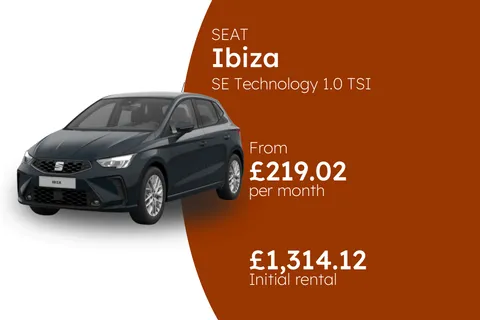
- Go to SEAT Ibiza SE Technology 1.0 TSI 95PS 1 - BCH
£219 /Month
£1,314 DepositSEAT Ibiza
SE Technology 1.0 TSI 95PS 1
- Petrol
- Manual
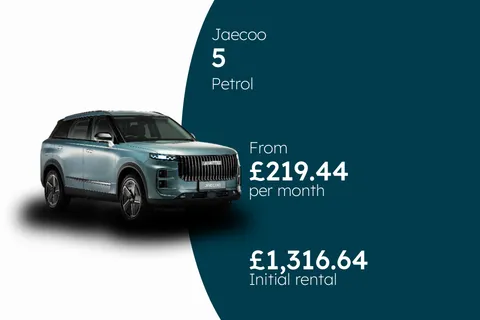
- Go to JAECOO 5 Petrol - BCH
£219 /Month
£1,317 DepositJaecoo 5
Petrol
- Petrol
- Automatic
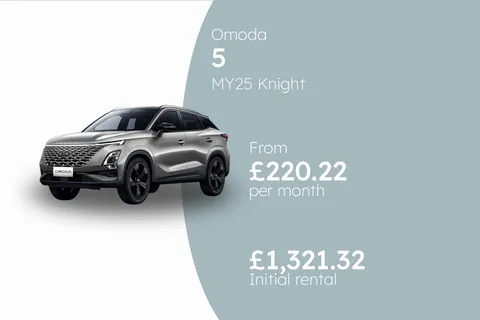
- Go to OMODA 5 MY25 Knight - BCH
£220 /Month
£1,321 DepositOmoda 5
MY25 Knight
- Petrol
- Automatic