Road Tax in 2026: What is Changing?
From 1st April 2026, major changes to UK road tax (Vehicle Excise Duty – VED) come into force, affecting petrol, diesel, hybrid, and electric cars.
While none of the updates are dramatic on their own, together they will impact millions of drivers, car buyers, and company car users—and could cost you more if you’re not prepared. Here’s everything you need to know and how to stay one step ahead.
10 Biggest Road Tax Changes and what they mean for you:
1. Standard road tax rises to £200 for most cars
2. Electric cars now pay full road tax – no longer £0
3. Luxury car tax threshold increases to £50,000 for EVs
4. You can save £425/year by choosing an EV under £50k
5. First-year tax on high-emission cars can exceed £5,000
6. Low-emission vehicles become more financially attractive
7. Company car tax (BiK) for EVs increases to 4%
8. Nearly new cars avoid the biggest tax hit (year one)
9. Timing your car registration could save money
10. Future pay-per-mile tax for EVs is planned from 2028
What Is Changing in April 2026?

1. Standard Road Tax Increases to £200
The flat annual VED rate (for most cars registered after April 2017) will rise:
- From £195 → £200 per year
- Applies to petrol, diesel, hybrid, and electric vehicles.
This affects almost every driver when they renew their tax.

2. Electric Cars Now Fully Taxed
Electric vehicles (EVs) are no longer tax-free:
- EVs already moved into the VED system in 2025
- By 2026, most EV owners pay the standard £200 annual rate
This removes one of the biggest cost advantages EVs previously had.

3. Expensive Car Tax Threshold Rises (Good News for EV Buyers)
The “luxury car tax” (Expensive Car Supplement) is changing:
- Threshold increases from £40,000 → £50,000 for EVs
- Saves drivers £425 per year (years 2–6) if under the new limit
This is one of the few money-saving changes in 2026.

4. First-Year Tax on High-Emission Cars Soars
If you’re buying a new petrol or diesel car:
- High-emission vehicles (over 255g/km CO₂) can face up to £5,690 in first-year tax
This is designed to push buyers toward lower-emission options.

5. Company Car Tax (BiK) on EVs Increases
For company car drivers:
EV Benefit-in-Kind rises from 3% → 4%
Still cheaper than petrol/diesel—but slightly less generous.
What The Road Tax Changes Mean for Drivers
In simple terms:
- Most drivers → small annual increase (£5)
- EV drivers → now paying full road tax
- High-emission buyers → significantly higher upfront costs
- Company car users → slightly higher monthly tax
How to beat the 2026 Road Tax Changes
Here’s how smart drivers can minimise the impact:

1. Choose Cars Under £50,000 (Especially EVs)
If you’re going electric:
- Staying under £50k avoids the £425/year luxury tax
- Could save £2,000+ over 5 years
This is one of the biggest savings opportunities right now.
2. Avoid High CO₂ Vehicles
First-year tax is now heavily emissions-based.
- Lower emissions = much lower upfront tax
- High-performance SUVs and large engines are hit hardest
Check CO₂ ratings before buying—it matters more than ever.

3. Consider Nearly New Instead of Brand New
The biggest tax hit is in year one.
Buying nearly new means:
- First-year tax already paid
- Lower purchase price
- Same standard £200 rate after
This is a simple way to avoid the biggest increases.

4. Time Your Purchase Carefully
If you’re buying:
- Registering a car before April changes can sometimes reduce first-year tax
- Especially relevant for high-emission vehicles
Speak to your dealer about registration timing.
5. Review Company Car Choices
If you’re on a salary sacrifice or company scheme:
- EVs still offer the lowest BiK rates overall
- But choosing a lower list price reduces tax further
Small changes in car choice can save hundreds per year.
What about Road Tax in the Future?
Looking ahead:
- A pay-per-mile road tax system for EVs is planned from 2028
- This means EV running costs could increase further over time
Need Help Choosing the Right Car?
At Swansway Motor Group, we can help you:
- Find cars that minimise tax costs
- Compare petrol, hybrid, and electric options
- Choose vehicles that fit both your budget and lifestyle
Browse our latest stock!
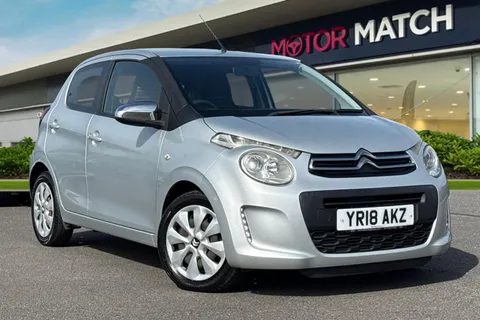
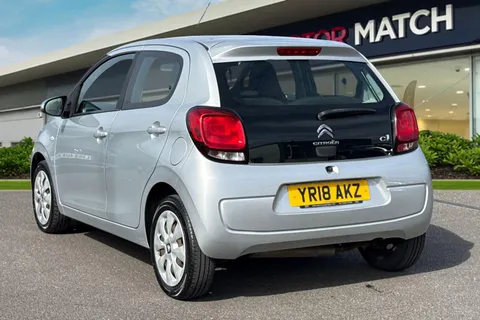
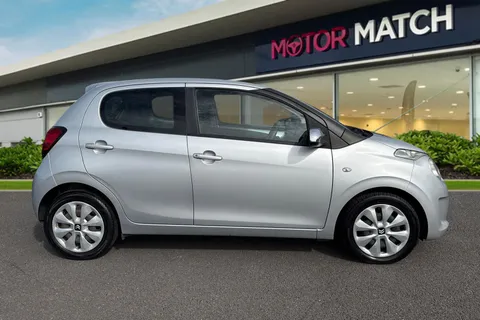
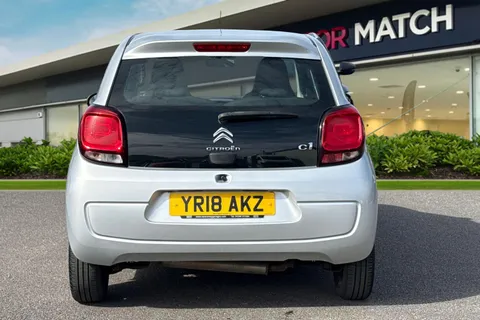
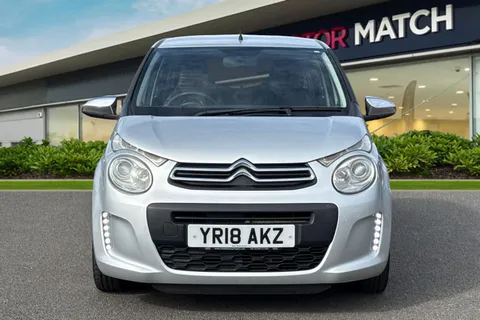
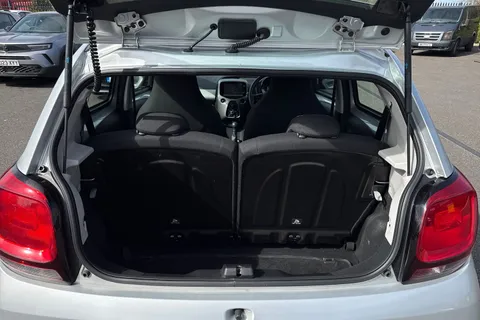
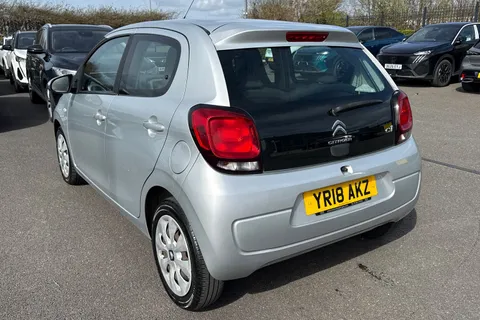
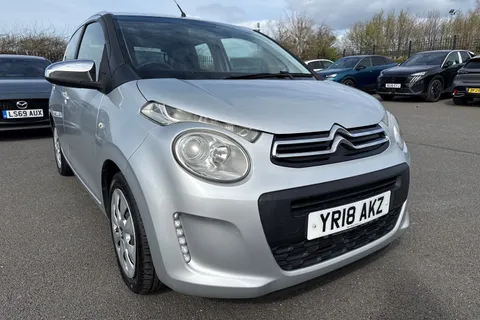
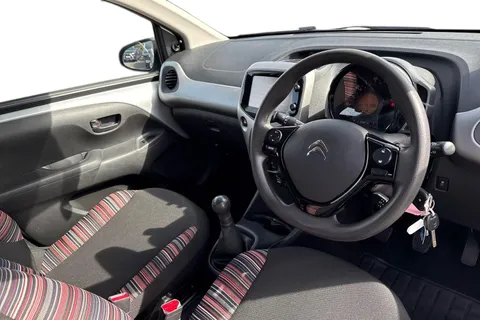
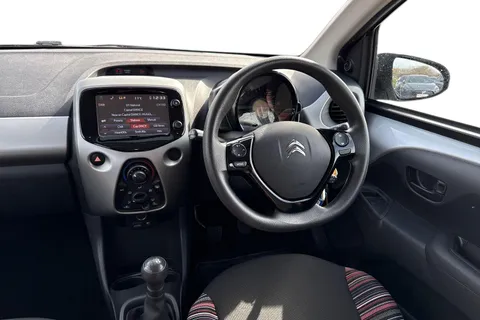
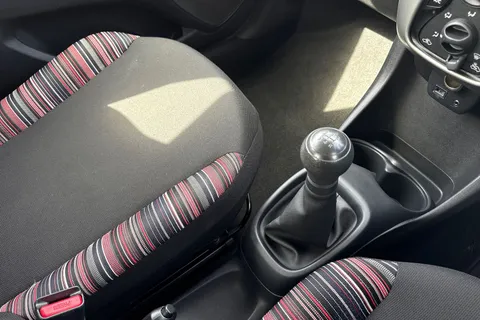
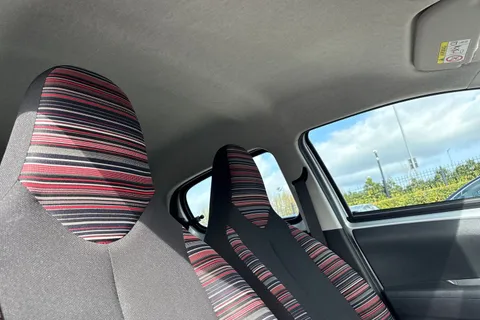
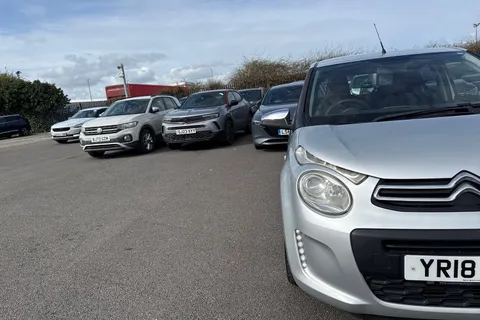
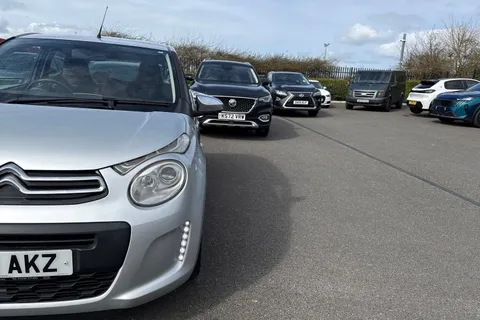
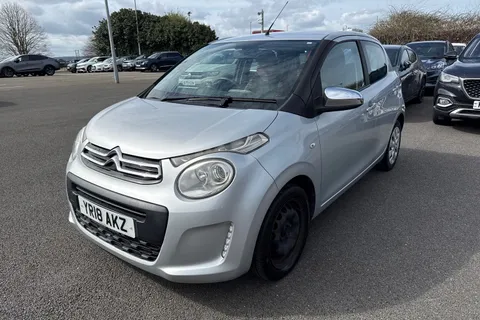
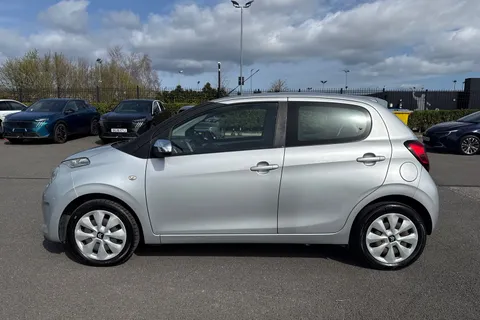
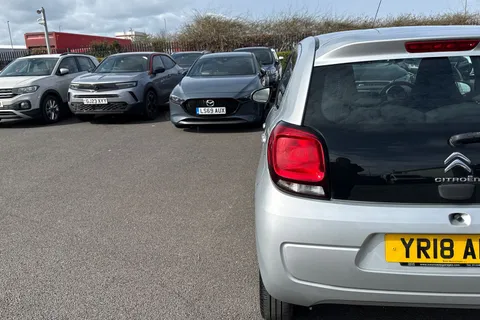
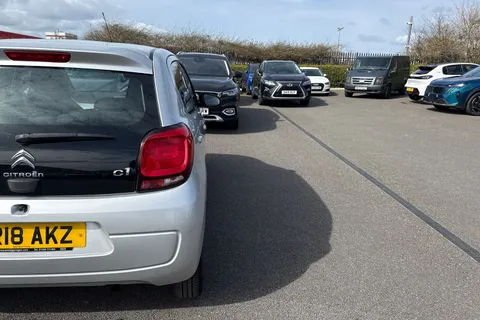
- Go to Citroën C1 1.2 PureTech Feel Euro 6 5dr
£4,200
11.9%APR£83/Month2018 Citroën C1
1.2 PureTech Feel Euro 6 5dr
- 2018
- YR18AKZ
- Petrol
- Manual
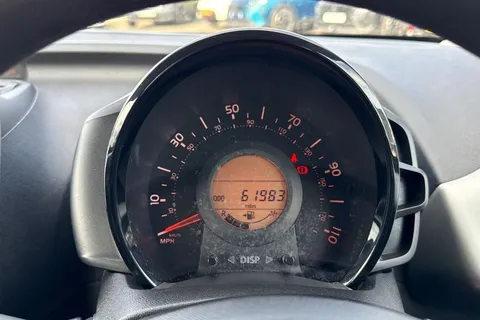
- 61,982 Miles
- Grey
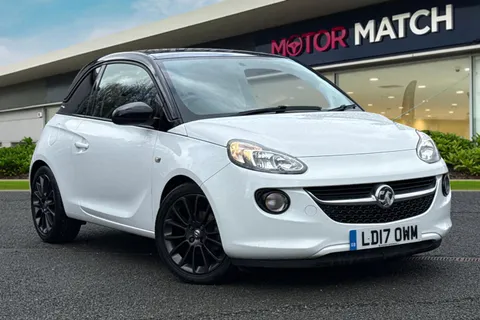
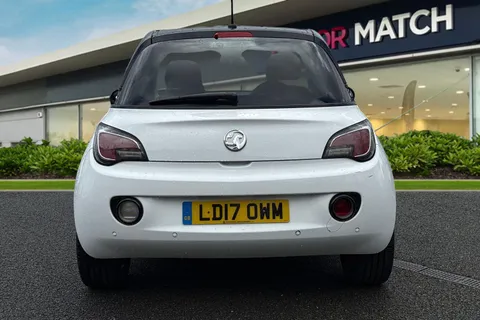
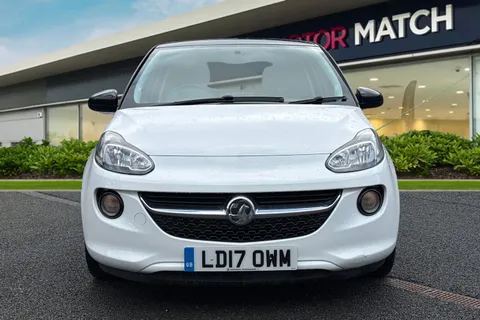
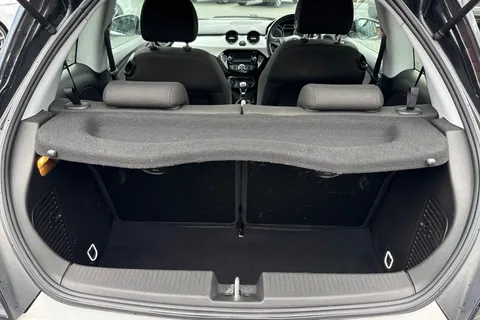
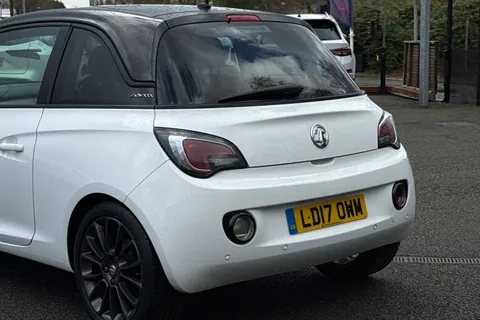
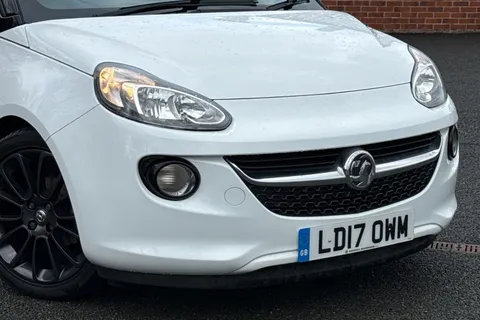
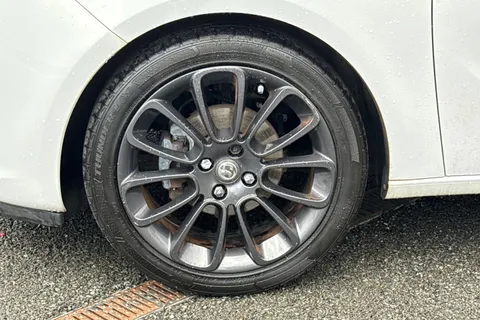
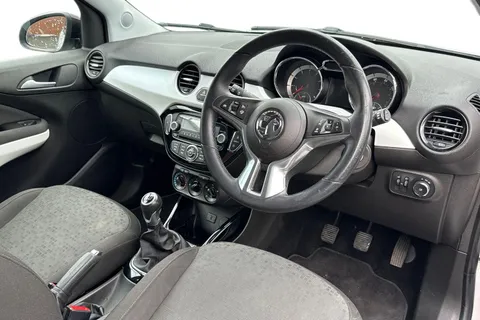
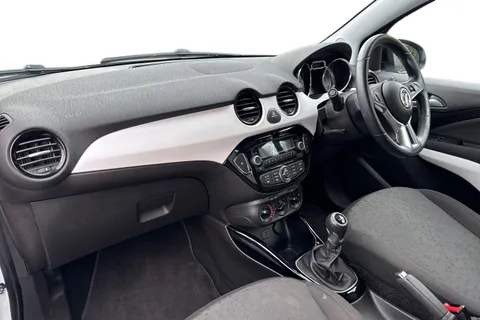
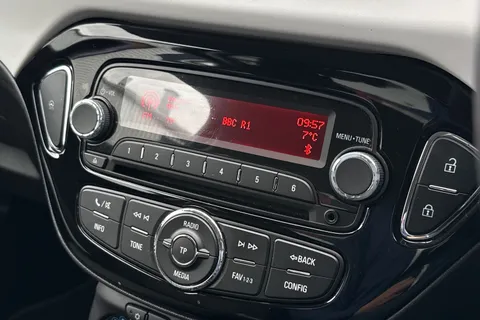
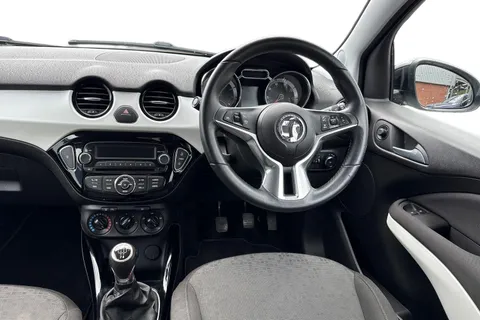
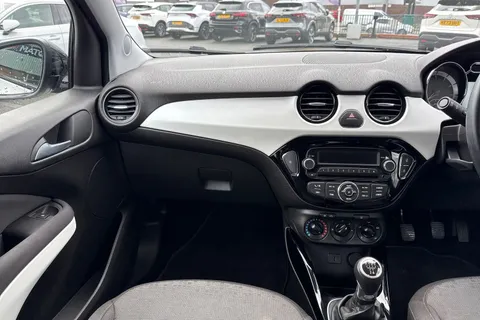
Motor Match Chester - Go to Vauxhall Adam 1.2i JAM Euro 6 3dr
£5,547
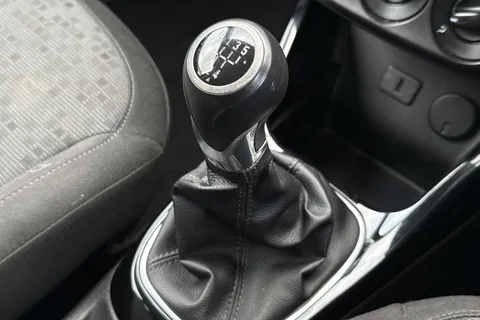
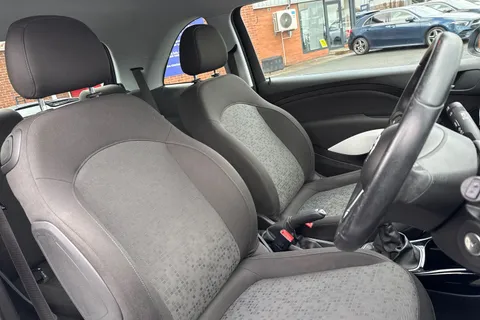
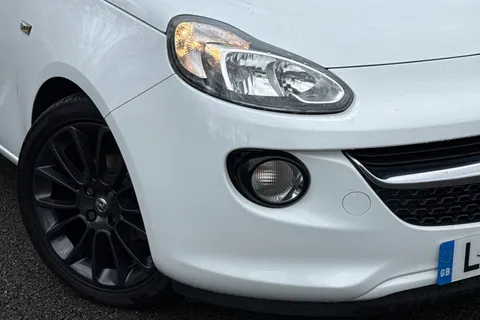
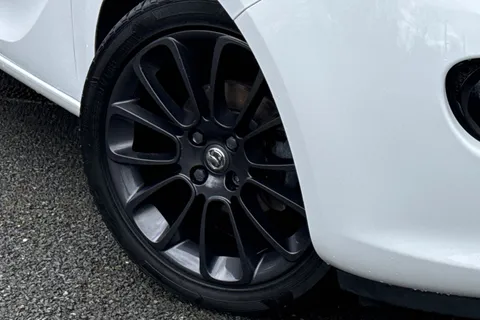
11.9%APR£118/Month2017 Vauxhall Adam
1.2i JAM Euro 6 3dr
- 2017
- LD17OWM
- Petrol
- Manual
- 51,500 Miles
- White
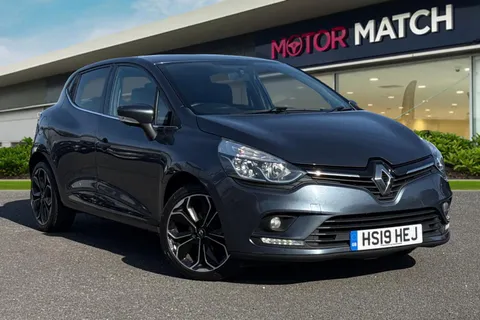
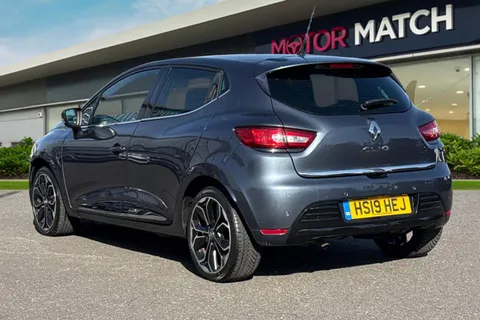
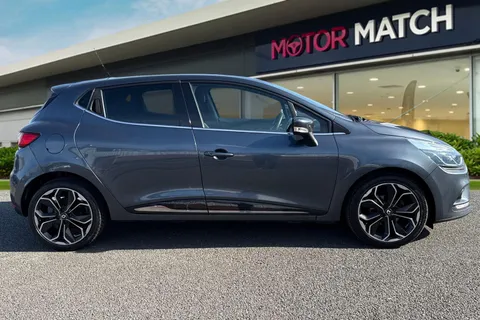
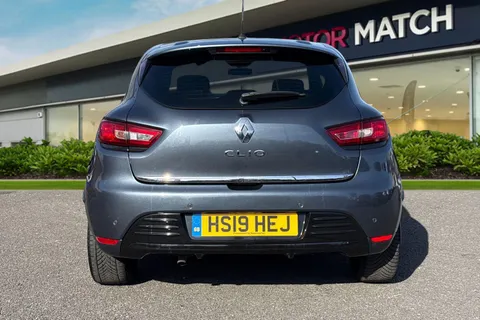
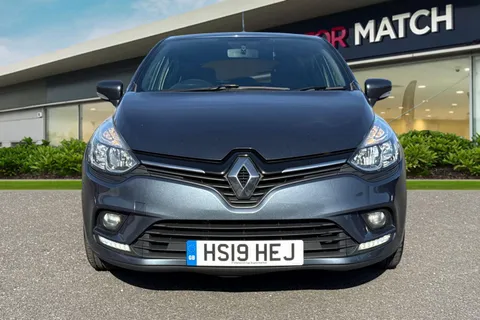
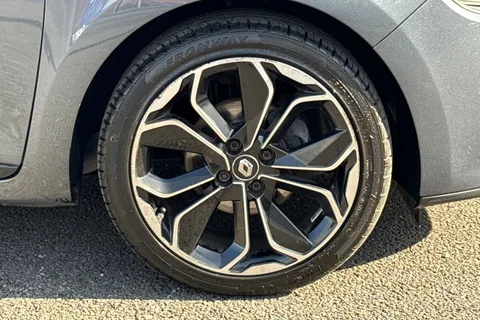
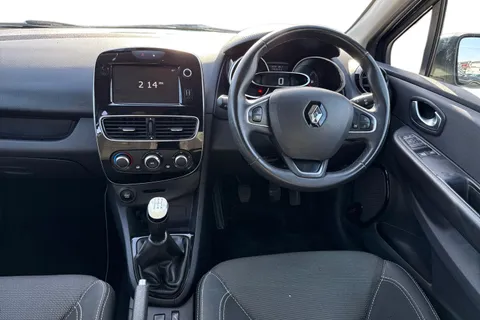
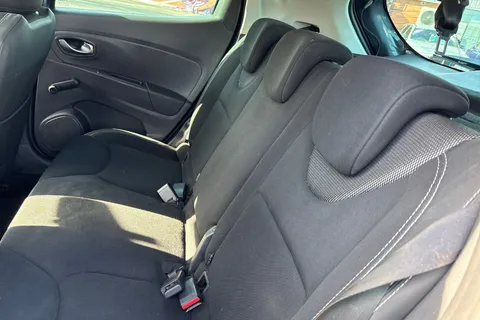
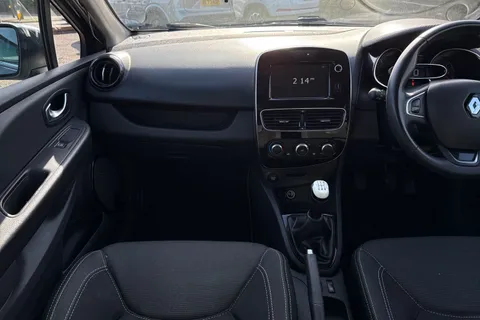
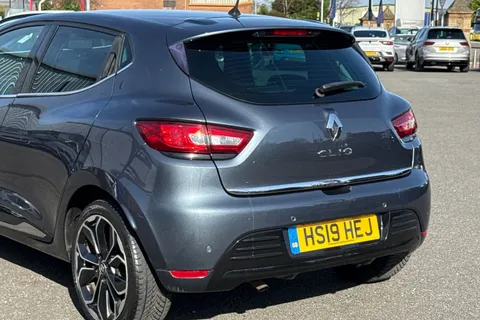
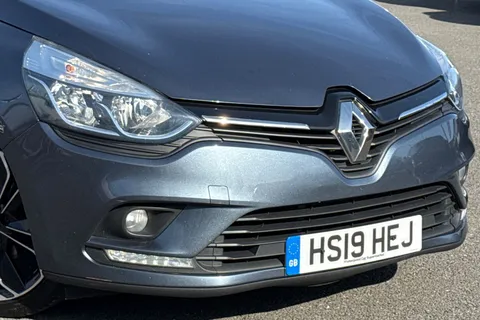
Motor Match Bolton - Go to Renault Clio 0.9 TCe Iconic Euro 6 (s/s) 5dr
£6,200
£5,899
11.9%APR£127/Month2019 Renault Clio
0.9 TCe Iconic Euro 6 (s/s) 5dr
- 2019
- HS19HEJ
- Petrol
- Manual
- 79,073 Miles
- Grey
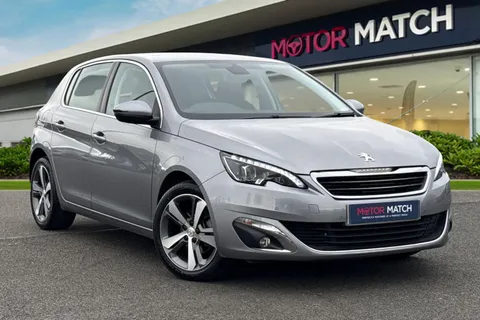
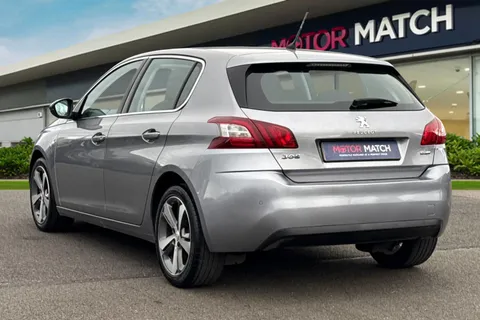
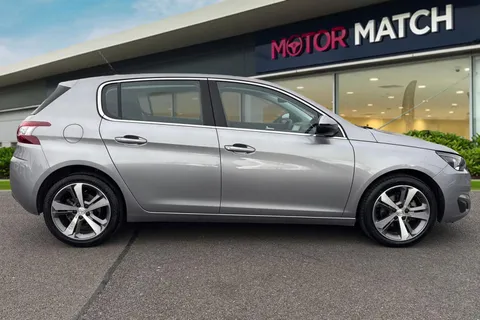
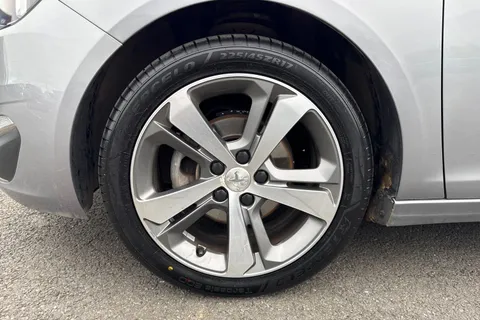
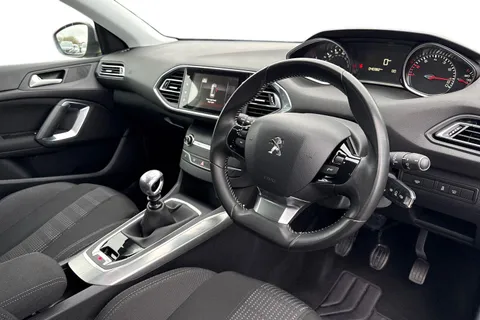
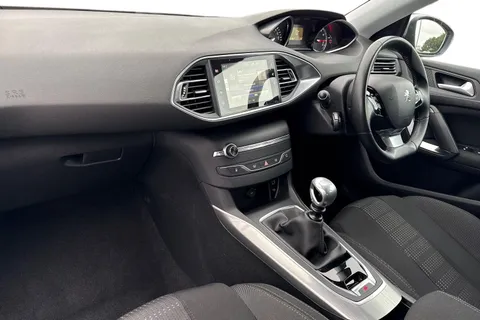
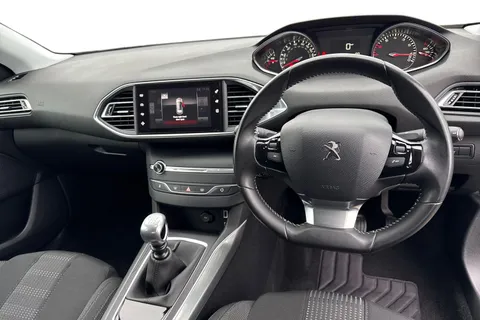
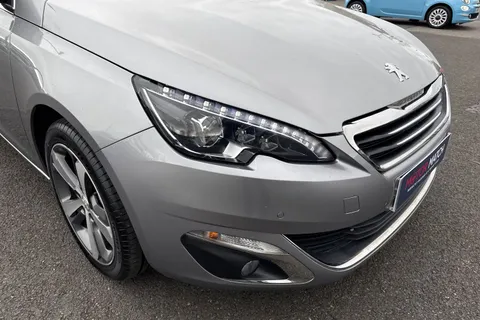
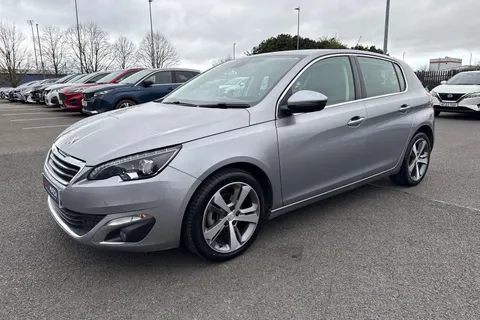
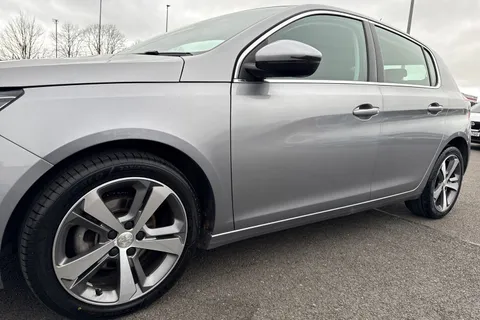
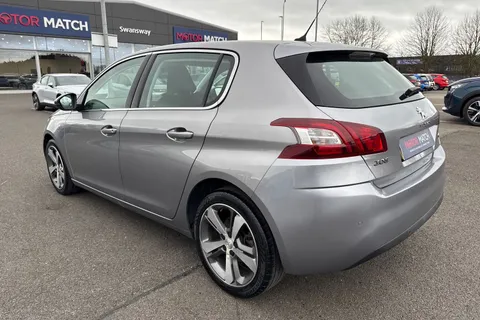
Motor Match Bolton - Go to PEUGEOT 308 1.2 PureTech Allure Euro 6 (s/s) 5dr
£5,995
Finance Available
Affordable options for you2016 PEUGEOT 308
1.2 PureTech Allure Euro 6 (s/s) 5dr
- 2016
- PX16PKU
- Petrol
- Manual
- 40,382 Miles
- Grey
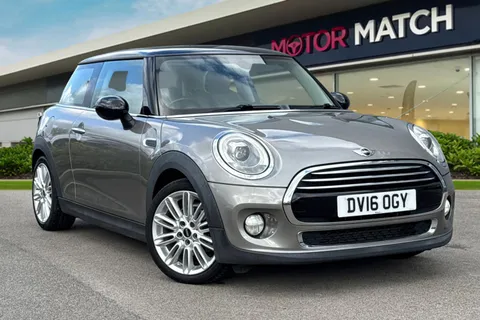
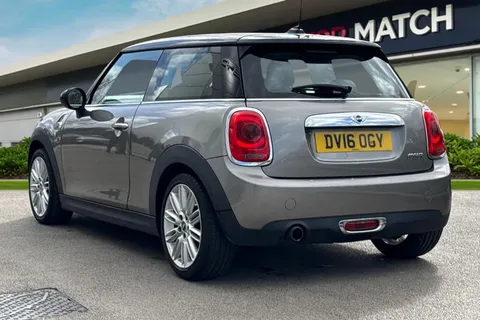
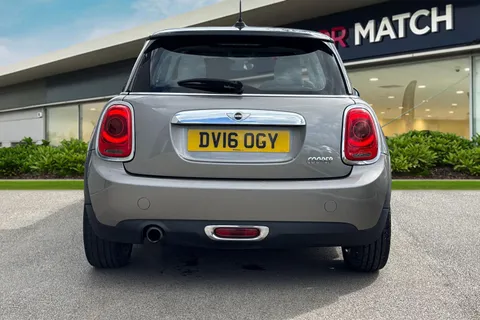
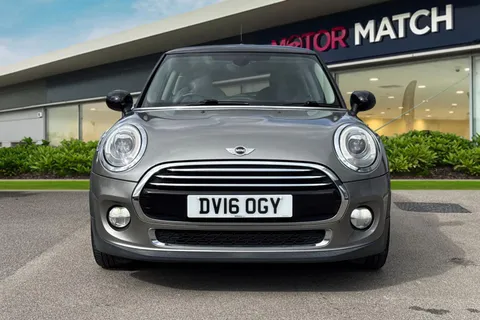
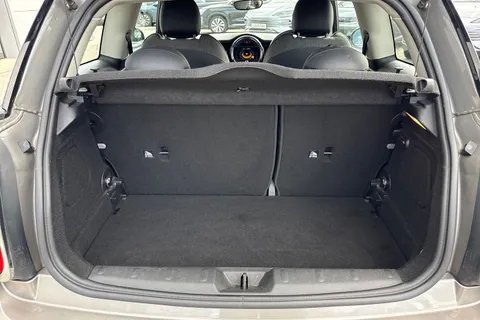
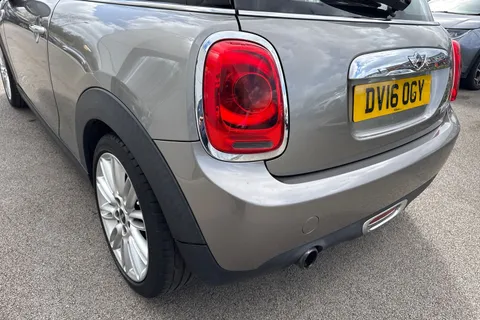
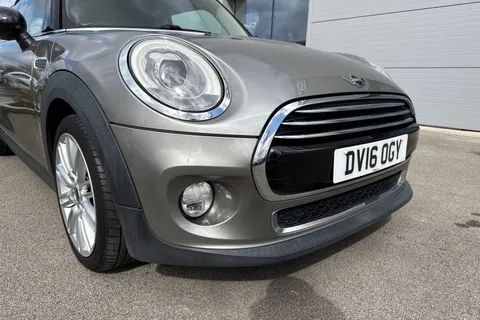
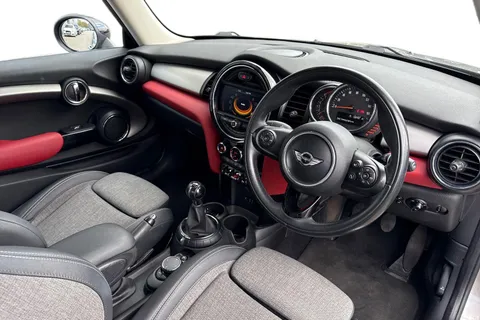
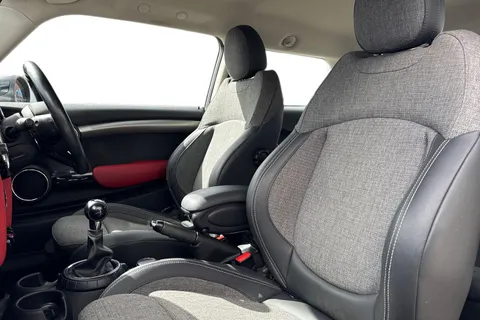
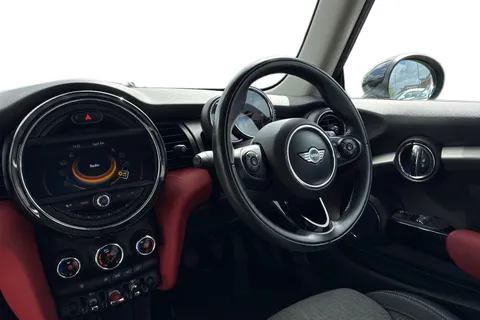
Motor Match Chester - Go to Mini Hatch 1.5 Cooper Euro 6 (s/s) 3dr
£6,690
Finance Available
Affordable options for you2016 Mini Hatch
1.5 Cooper Euro 6 (s/s) 3dr
- 2016
- DV16OGY
- Petrol
- Manual
- 66,570 Miles
- Silver
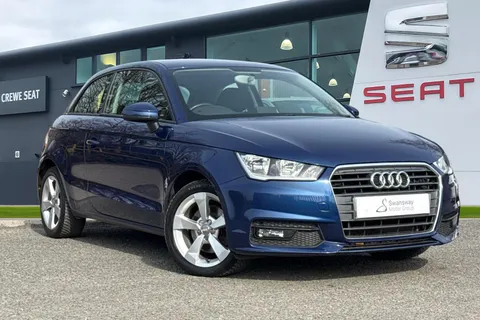
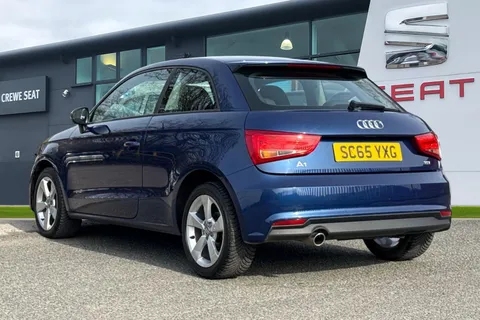
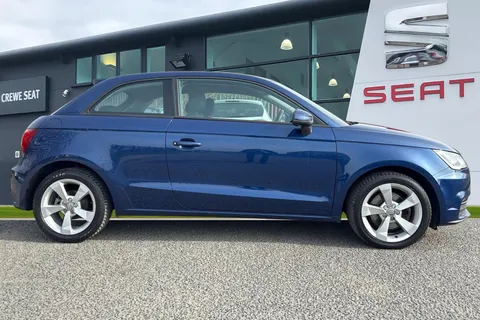
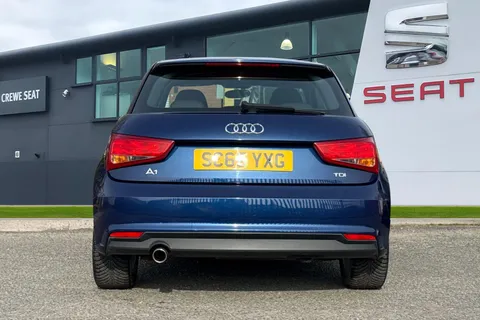
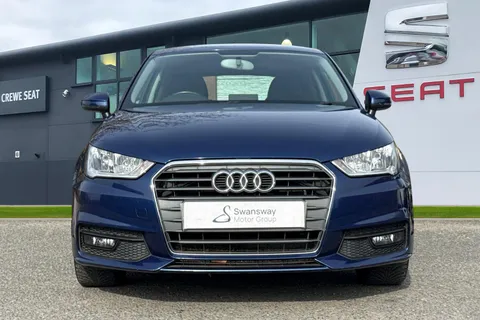
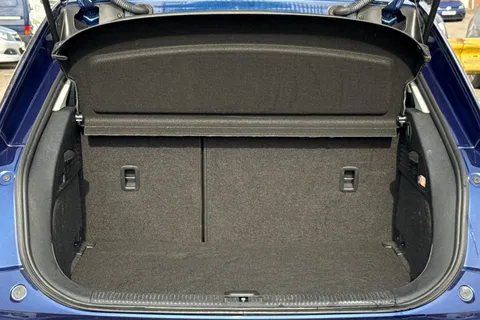
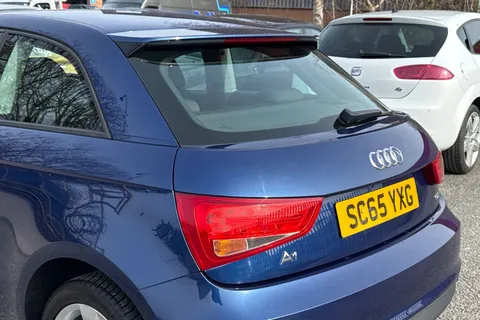
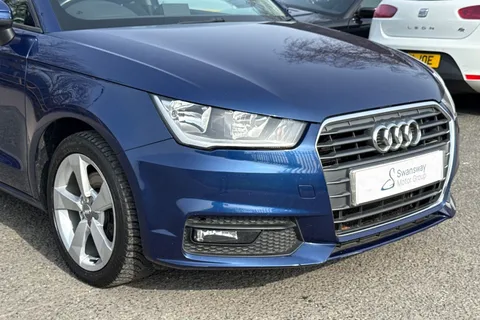
Motor Match Crewe - Go to AUDI A1 1.6 TDI Sport 3dr
£6,790
Finance Available
Affordable options for you2016 Audi A1
1.6 TDI Sport 3dr
- 2016
- SC65YXG
- Diesel
- Manual
- 70,253 Miles
- Blue
Crewe SEAT