

With the heavy rain and flooding we’ve seen across the UK in recent weeks, many drivers have unfortunately found their cars caught up in rising water.
A flooded car can be stressful to deal with and depending on how severe the flooding is, it can lead to costly repairs or even an insurance write off. Knowing what to do next can help protect your safety, limit further damage and make the process a little less daunting.
If your car has been affected by flooding, here’s a step by step guide on what to do.
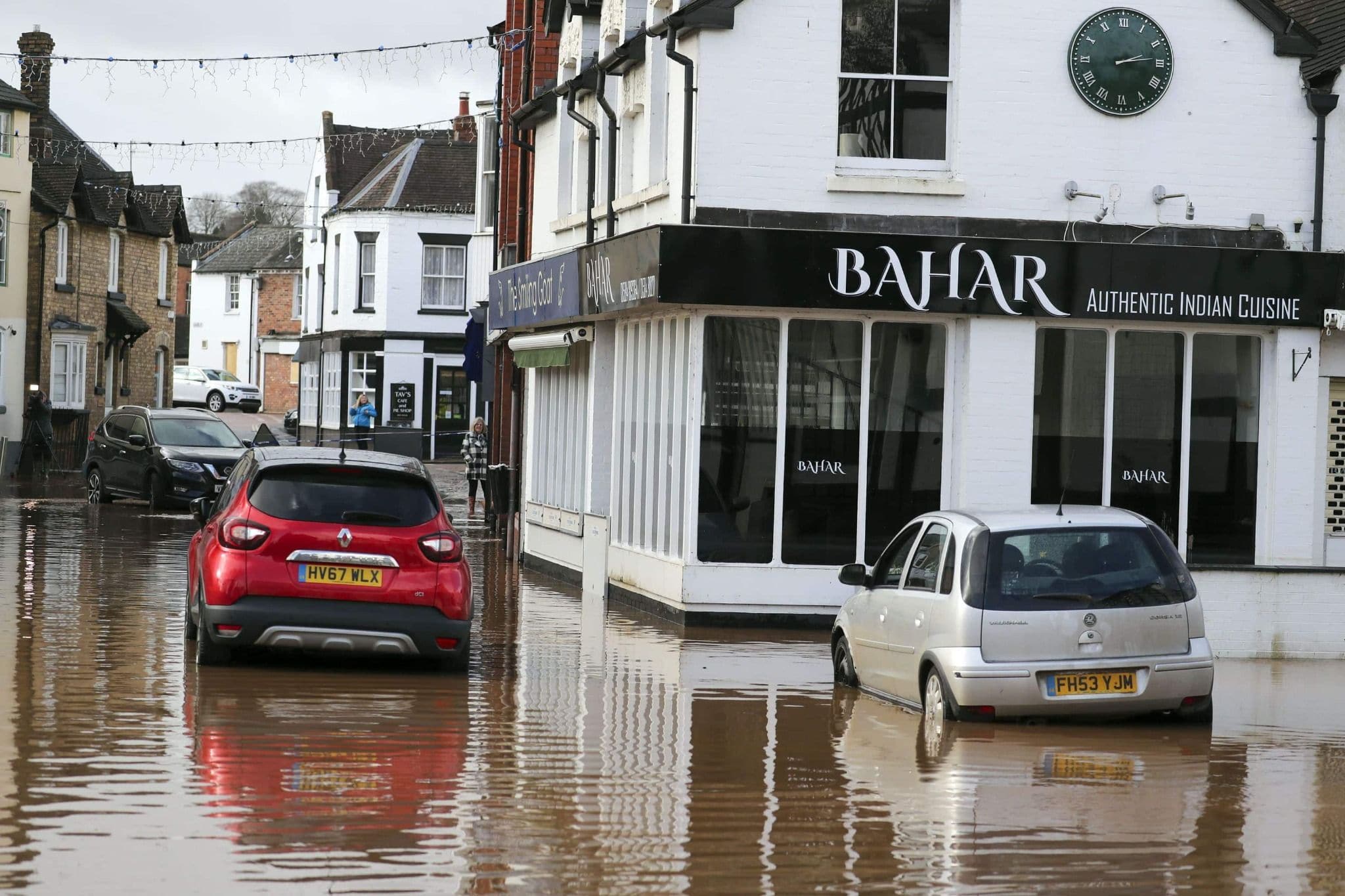
1. Assess the damage, but only if it’s safe
It’s completely natural to feel panicked, but your safety always comes first. If your car is partially or fully submerged, don’t attempt to reach it if the water level puts you at risk. Flood water can be deeper and faster moving than it looks.
If it’s safe to do so, visually assess how much water has reached the vehicle. Take note of whether the water level has reached the wheels, the interior, or the engine bay, as this will be important information later for a mechanic or your insurer.
If access isn’t safe, contact a recovery service or wait until the water has fully cleared.
2. Don’t try to start the engine
This is one of the most important steps. Never attempt to start a flooded car unless a trained professional has confirmed it’s safe.
Water can enter the engine through the air intake, and trying to start the car can cause serious internal damage, often known as hydraulic lock. In some cases, a car that could have been repaired ends up written off simply because it was started too soon.
Even if the car appears fine on the outside, leave the engine off.
3. Remove excess water if you can
If the water level has dropped and you can safely access the car, you may be able to remove excess water from the interior. Open the doors carefully and check the footwells and seats.
Only do this if it’s clearly safe and won’t allow more water into the vehicle. The longer water sits inside a car, the more likely it is to cause electrical issues, corrosion, and mould.
Remember, your wellbeing is far more important than the car itself.
4. Ventilate the interior
Once any standing water has been removed and the rain has stopped, opening the windows can help air out the cabin. This can reduce the risk of lingering damp, unpleasant smells, and damage to upholstery and trim.
If you leave windows or doors open, make sure the car is in a secure location and keep an eye on it to prevent theft.
5. Call a mechanic or recovery service
If you have breakdown cover, now’s the time to use it. If not, contact a trusted local mechanic or recovery firm.
A trained professional will be able to properly assess whether your car is safe to drive and identify any hidden damage, particularly to electrical systems, brakes, and the engine. They can also advise whether repairs are possible straight away or if the car needs to be taken to a workshop for further inspection.
Crucially, don’t drive the car until you’ve been given the all clear.
6. Clean and dry the interior thoroughly
If your car has been confirmed as safe to drive and water has entered the cabin, a thorough clean is essential.
Park the car in a dry, well ventilated area and clean carpets and seats using a wet and dry vacuum if you have access to one. This helps remove trapped moisture and reduces the risk of mould developing.
If safe, leaving doors or windows open for extended periods can help speed up the drying process and clear out any lingering smells.
7. Take a gentle test drive
Once a professional has confirmed the car is safe and the interior is reasonably dry, take the car out for a short, gentle drive.
Pay close attention to how it feels and sounds. Test the brakes carefully at low speeds, as they may need time to dry out fully. Listen for any unusual noises and watch for warning lights on the dashboard.
If anything doesn’t feel right, stop driving and seek further advice.
8. Inform your insurer if needed
If your car isn’t safe to drive or requires repairs, contact your insurance provider as soon as possible. Provide them with as much detail as you can about what happened, including when and where the flooding occurred.
Your insurer will usually arrange an independent inspection to decide whether the car can be repaired or if it needs to be declared a write off.
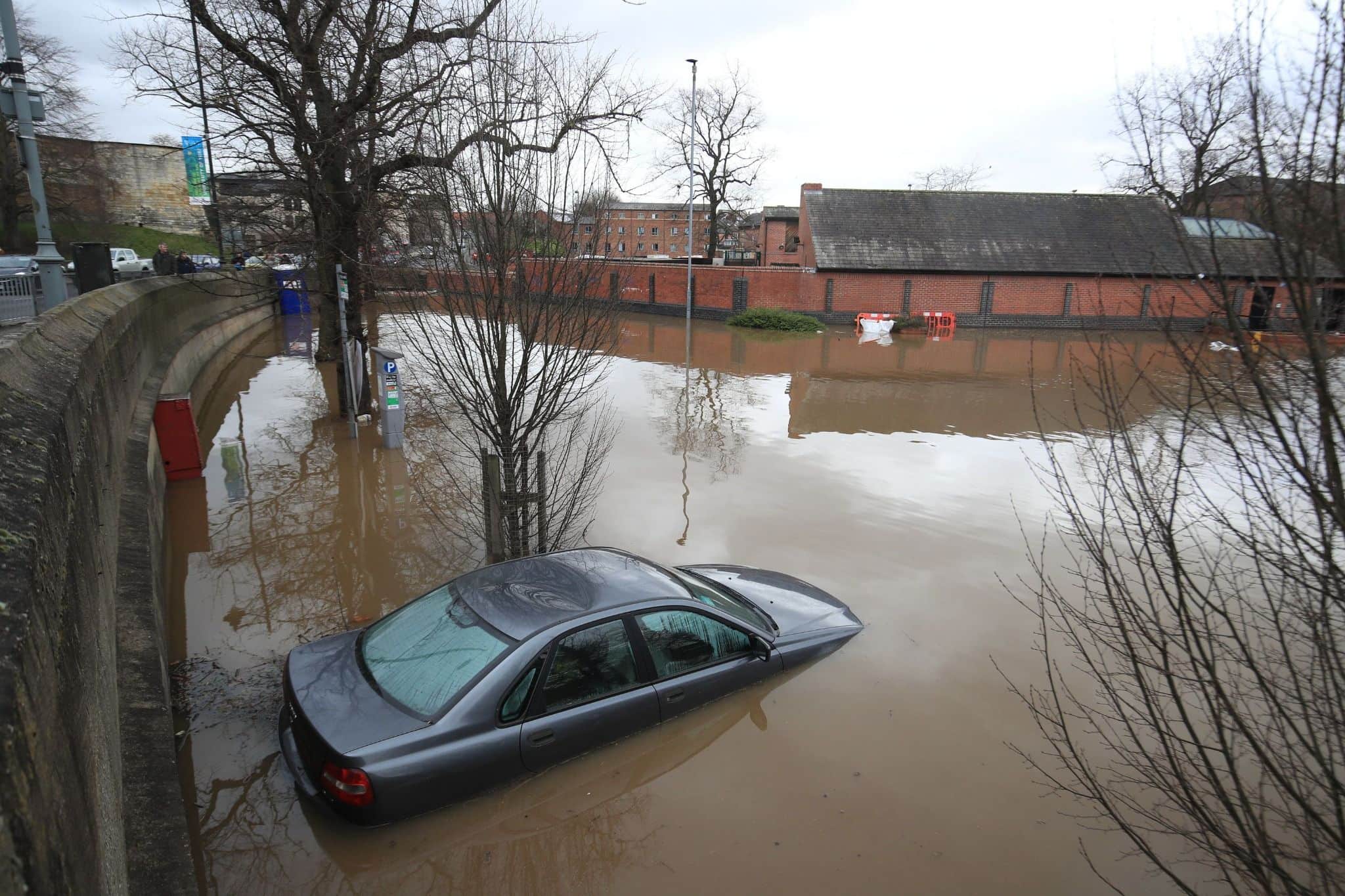
Final thoughts
Flooding can be unpredictable and incredibly disruptive, especially when it affects your car. Acting quickly, staying safe, and avoiding common mistakes can make a big difference to the outcome.
If you’re ever unsure, it’s always best to approach on the side of caution and seek professional advice before getting back behind the wheel.