When comparing front-engined vs mid-engined vs rear-engined cars, engine placement plays a major role in how a car drives, handles, and performs. Most cars today are front-engined—but if you’re looking at performance cars or sports cars, understanding engine layouts can make a huge difference in your buying decision.
In this guide, we break down the three main types of car engine layouts, along with their advantages and disadvantages.

What are the three engine layouts?
There are three main engine positions used in modern cars:
- Front-engined – engine at the front
- Mid-engined – engine behind the driver, ahead of the rear axle
- Rear-engined – engine behind the rear axle
Each layout affects handling, traction, weight distribution, and practicality.

Front-Engined Cars Explained
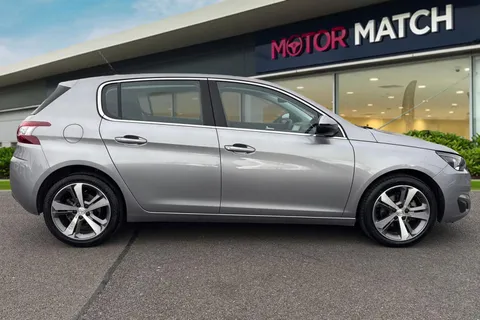
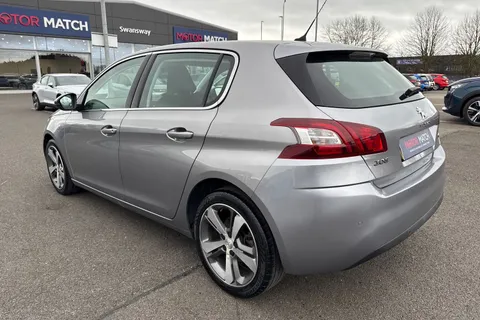
As mentioned, the vast majority of cars on the road today are front-engined. Of course, there are plenty of reasons for this. For a start, most cars, especially smaller ones, are front-wheel drive, so packaging the entire drivetrain up front makes a big difference to the amount of passenger space on offer.
Front-engined cars come in two flavours:
- Front-front – engine sits ahead of the front axle
- Front-mid – engine sits behind the front axle for better balance
This simply refers to the engine position in relation to the front axle, with front-mid cars having the majority of the engine block positioned behind the front wheels for improved weight distribution.

How Do Front-Engined Cars Handle on the Road?
Having the weight over the driven wheels also improves traction, for front-wheel drive cars at least. Of course, many rear-wheel drive cars are front-engined too, and in this application the layout’s greatest strength is in its even weight distribution.
Front-engined, front-wheel drive cars can be prone to understeer under acceleration – this is due to the car’s weight moving towards the rear and off the driven wheels. Rear-wheel drive cars suffer less with this, but can be difficult to manage in slippery conditions.
In terms of driver appeal, front-engined cars still have a lot going for them. Virtually every hot hatchback on the market is front-engined and front-wheel drive, for example – making them cheap, predictable to drive and easy to handle for less experienced motorists. Front-engined, rear-wheel drive cars, meanwhile, are often considered the ‘ideal’ layout for a sports car – you’ll find this layout on everything from the bargain Mazda MX-5 to the hugely expensive and accomplished Ferrari 812 Superfast.

What Is a Mid-Engined Car?
Most vehicles considered ‘supercars’ are mid-engined – a layout that positions the engine ahead of the rear axle but behind the passengers. Right where you’d expect the back seat to be, in fact, which is why so few mid-engined cars offer more than two seats.
Why Are Mid-Engined Cars So Good?
However, there’s more to life than packaging, right? The advantages of mid-engined cars lie in their handling – placing the car’s heaviest component, the engine, in the middle ensures perfect 50/50 weight distribution.
Having the weight in the centre also improves stability, making mid-engined vehicles seriously nimble while still having plenty of traction.
Disadvantages?
Well, besides the packaging issue, mid-engined vehicles can also be more difficult to control if they do begin to spin out. That’s again due to the weight distribution – the centre of gravity being in the centre makes it more difficult to stop its momentum.

What Are Rear-Engined Cars?
It’s rather sad that there are only three rear-engined vehicles on sale in Europe today:
- the Porsche 911 and its variants
- the Renault Twingo
- the Smart
That never used to be the case – in the middle of the last century, rear-engined economy cars were ten a penny, at least before the Mini popularised the front-engined, front-wheel drive layout.
What is the performance like of Rear-Engined Cars?
In performance applications, it’s only Porsche that’s persisted with the rear-engined layout, but the German brand’s pretty much perfected how to make a rear-engined car drive and handle well.
Rear-engined vehicles offer brilliant traction, as the weight is always over the driven wheels, and as there’s so little interference with the front wheels the handling can be pin-sharp and accurate. Braking can also be improved, as the weight over the rear axle counteracts the car’s tendency to dip forward under braking and allows the rear brakes to provide a greater portion of the stopping power.
Having the engine slung out behind the rear axle means passenger space can be improved – the 911 still offers four seats.
However, balancing a rear-engined car is a tricky job – there’s a reason some older models were nicknamed the ‘Widowmaker’. They’re prone to ‘snap’ oversteer – where the weight slung out at the rear tries to swing forwards, causing a dangerous spin. This makes them perhaps the most difficult of the three main engine layouts to drive quickly.
Advantages of the Different Engine Layouts
Front-Engined | Mid-Engined | Rear-Engined |
|
|
|
Disadvantages of the Different Engine Layouts
Front-Engined | Mid-Engined | Rear-Engined |
|
|
|

Final Thoughts on Different Engine Types
Understanding front-engined vs mid-engined vs rear-engined cars helps you make a more informed decision—especially if you're buying a performance or sports car.
While front-engined cars dominate for practicality, mid-engined layouts deliver the best handling, and rear-engined cars offer a distinctive (and sometimes challenging) driving experience.
Find your next car with Swansway Motor Group
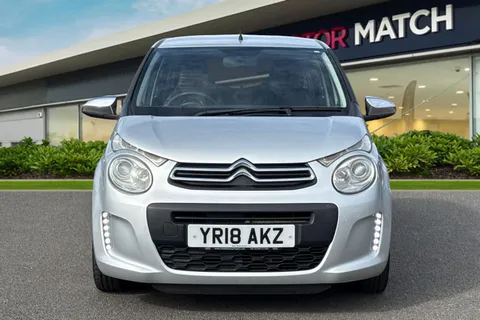
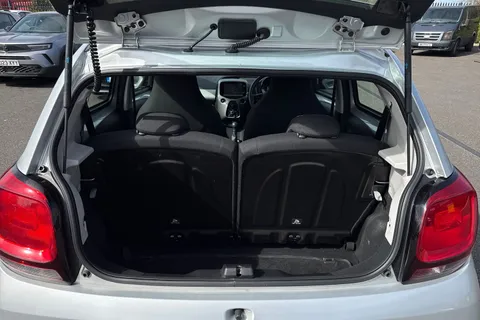
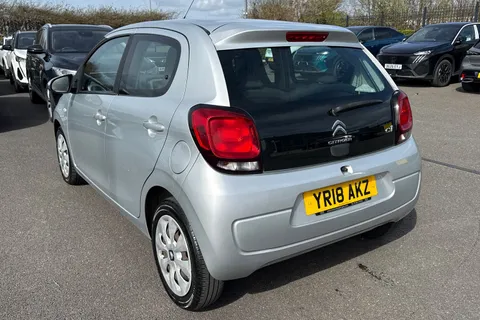
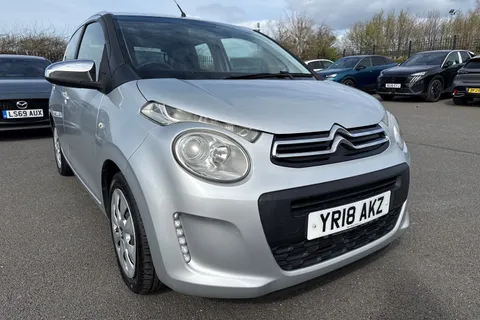
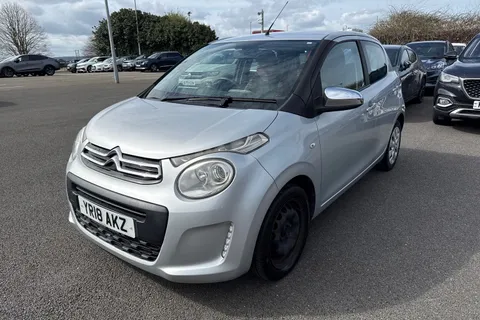
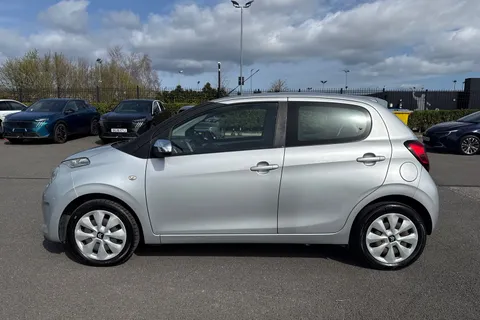
- Go to Citroën C1 1.2 PureTech Feel Euro 6 5dr
£4,200
11.9%APR£83/Month2018 Citroën C1
1.2 PureTech Feel Euro 6 5dr
- 2018
- YR18AKZ
- Petrol
- Manual
- 61,982 Miles
- Grey
Motor Match Chester - Go to Renault Clio 0.9 TCe Iconic Euro 6 (s/s) 5dr
£6,200
£5,899
11.9%APR£127/Month2019 Renault Clio
0.9 TCe Iconic Euro 6 (s/s) 5dr
- 2019
- HS19HEJ
- Petrol
- Manual
- 79,073 Miles
- Grey
Motor Match Bolton - Go to PEUGEOT 308 1.2 PureTech Allure Euro 6 (s/s) 5dr
£5,995
Finance Available
Affordable options for you2016 PEUGEOT 308
1.2 PureTech Allure Euro 6 (s/s) 5dr
- 2016
- PX16PKU
- Petrol
- Manual
- 40,382 Miles
- Grey
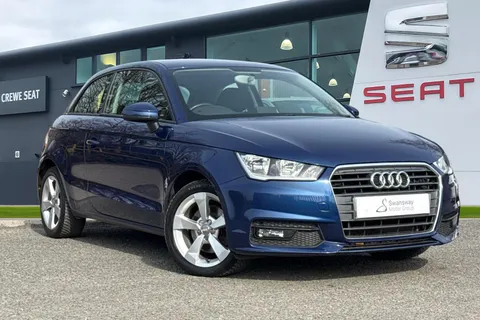
Motor Match Chester - Go to Audi A1 1.6 TDI Sport Euro 6 (s/s) 3dr
£6,790
Finance Available
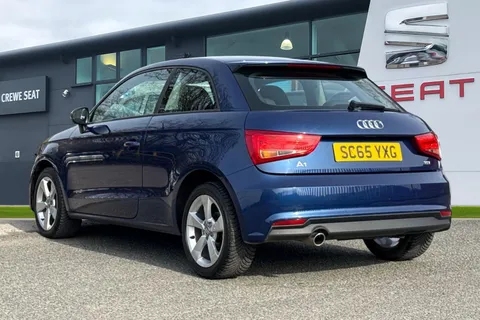
Affordable options for you2016 Audi A1
1.6 TDI Sport Euro 6 (s/s) 3dr
- 2016
- SC65YXG
- Diesel
- Manual
- 70,253 Miles
- Blue
Crewe SEAT