Only 1 in 2 Learner Drivers Pass - Preparation is Key!
According to the latest DVSA figures, just 48.9% of learners pass their practical test and only 45.7% pass the theory. That’s despite a record breaking number of tests being taken, nearly 449,000 practical tests in just one quarter. So, what does that tell us? Passing isn’t a given and preparation is everything.
It’s not just about knowing your road signs or practising manoeuvres, it’s about building confidence in real life driving circumstances. That means getting used to your own car, learning how to use any in-car technology and feeling comfortable in everyday traffic situations. The better prepared you are, the smoother your journey will be from learner to confident, independent driver.
What to Expect on Your Driving Test
Passing your driving test is a huge achievement, but it can also be quite nerve wracking. Let’s dive into what happens on the day to help you feel more prepared and confident.

The Structure of Your Driving Test
Arrival and Paperwork: Your examiner will check your provisional licence and test booking details, so be sure to bring your valid provisional driving licence and your theory test pass certificate.
Eyesight Check: You’ll be asked to read a number plate from 20 metres away to ensure your vision meets the minimum standards.
Tell Me Questions: Before driving, you’ll answer two basic safety questions about your vehicle, such as how to check the brakes or oil levels.
Driving: This typically lasts about 40 minutes and includes a mix of general driving and test manoeuvres.
The Independent Driving Section
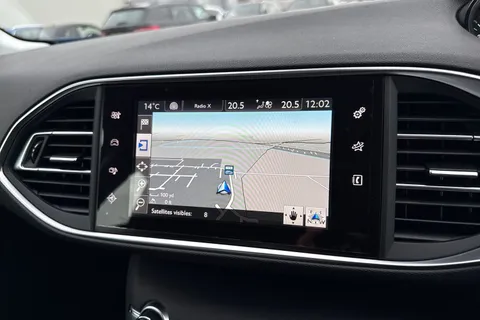
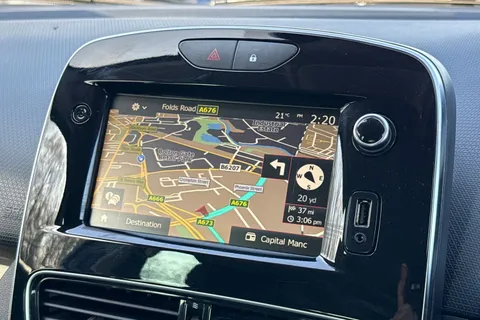
For around 20 minutes, you’ll drive independently, either following road signs or a sat-nav provided by the examiner. This assesses your ability to navigate and make decisions without instructions.
Manoeuvres
You’ll be asked to perform one of a range of manoeuvres, such as:
- Parallel parking
- Bay parking (reverse into a parking space)
- Pulling up on the right and reversing for two car lengths
- Emergency stop

Common Reasons for Failing and How to Avoid Them
Half of all learner drivers don’t pass on their first try, with the most common mistakes being:
Poor observation at junctions: Make sure to look carefully for other vehicles, cyclists and pedestrians.
Not checking mirrors before signalling or manoeuvring: Always follow the mirror-signal-manoeuvre (MSM) routine.
Incorrect positioning or speed: This occurs especially when turning right or approaching junctions.
Steering control and clutch use: Try to keep your steering smooth and your clutch control steady.
If you don’t pass, don’t worry! Most people don’t on their first attempt. Use the feedback from your examiner to focus your practice before your next driving test.
If you passed, congratulations! You’re now ready for the fun part of choosing your first car.

Choosing Your First Car: What You Need to Know
Now that you’re legally allowed to drive, it’s time to find your perfect first car. Here are the key things to consider. So, what makes a great first car?
- Safety: Look for cars with at least a 4 star Euro NCAP safety rating.
- Visibility: Good overall visibility helps new drivers feel more confident.
- Insurance Group: Cars in lower insurance groups will be cheaper to insure.
- Fuel Efficiency: Saves money and reduces environmental impact.
- Reliability: Choose makes and models known for low maintenance costs.
New or Used?
A consideration to make right at the start of your first car journey is whether or not you want to buy new or used. A new car will have many benefits, such as complete warranties, more technology and a wider variety of financing options. However, it’s often a more expensive route than buying used.
Although buying a used car does bring down the initial price, you have to factor in that it might require more maintenance and if it hasn’t got a complete service history, you won’t have a full picture of its background. That said, a used car will also have already taken depreciation on board, something you’ll have to deal with when buying new.
Manual vs. Automatic
Of course, if you’ve taken an automatic only test, then you won't be able to buy a manual car. However, if you’ve got a manual licence, then you’re free to pick either one. Remember that used automatic models do tend to carry a premium, while many smaller engined cars (that are often targeted towards first time drivers) are only offered with manual gearboxes.
However, if you’re spending plenty of time in traffic, then an automatic could be a more comfortable option. Many new cars are only being offered with automatic transmissions, too.
Fuel Type: Which Should I Choose?
Petrol: Cheaper upfront, great for shorter journeys.
Diesel: Better fuel economy on long distances but higher road tax in some cases.
Hybrid/Electric: Eco-friendly, lower running costs, but consider charging availability. Also, UK government grants and incentives can help reduce EV purchase costs.

Here are some of the best used cars for new drivers, which are reliable, easy to handle and confidence boosting.
SEAT Ibiza
Sporty yet practical, the SEAT Ibiza continues to be a popular choice for new drivers. Thanks to its VW engineering, it’s known for its reliability, comfortable driving experience and stylish design. It’s a great option if you’re after something that feels both fun and sensible.
Honda Jazz
The Honda Jazz is a favourite for first time drivers who want something dependable and easy to live with. Its clever interior layout means there’s loads more space than you’d expect, and it’s known for being super reliable, economical and easy to par, a practical choice.
BYD Dolphin
Futuristic and fun to drive, the all-electric BYD Dolphin is ideal if you’re ready to go green from day one. With low running costs, smart technology and a smooth, quiet ride, it’s a modern choice that doesn’t compromise on comfort or style.

VW Polo
The used Volkswagen Polo has long been a top pick for new drivers and it’s easy to see why. It’s compact, solidly built and feels a touch more premium inside than many of its rivals. It offers a calm, confidence boosting drive and a reputation for quality that’s hard to beat.
PEUGEOT 108 / 208
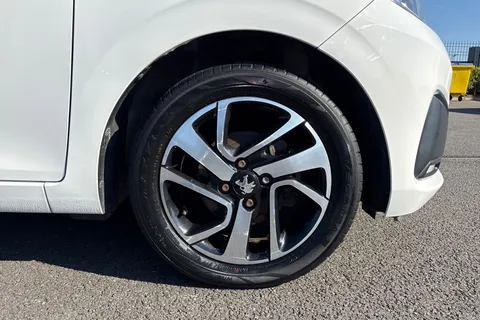
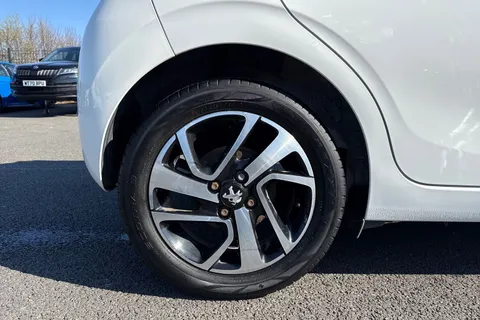
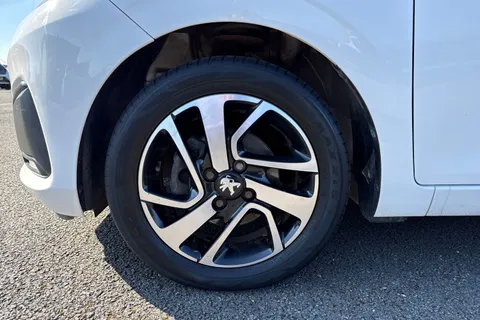
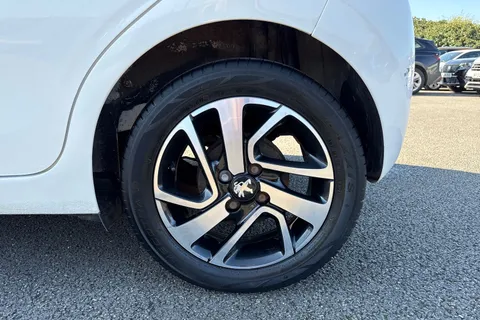
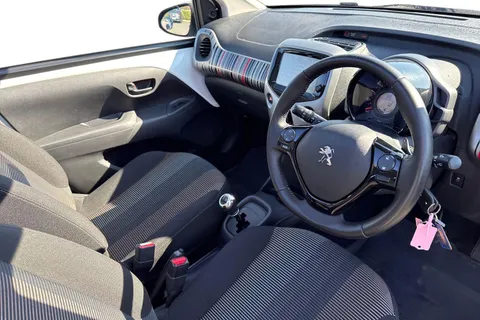
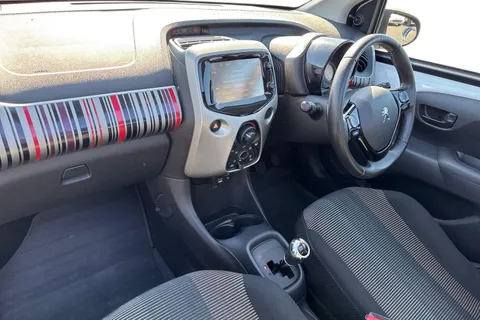
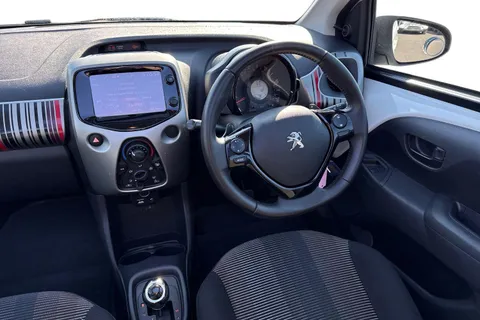
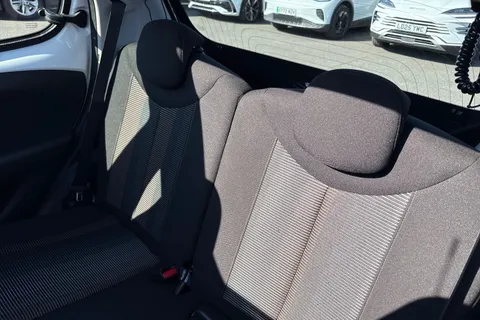
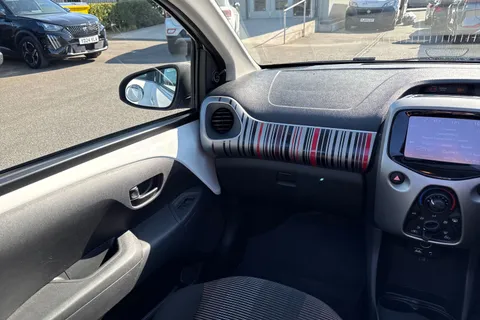
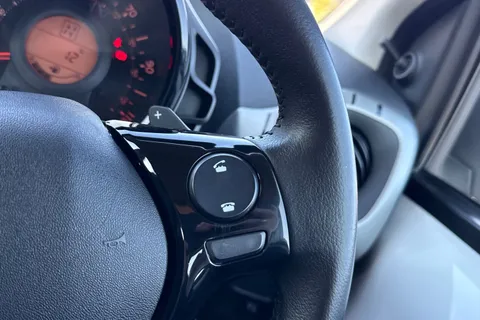
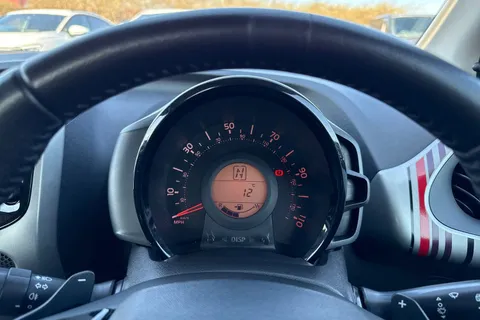
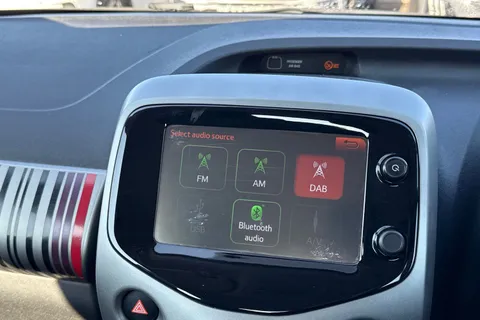
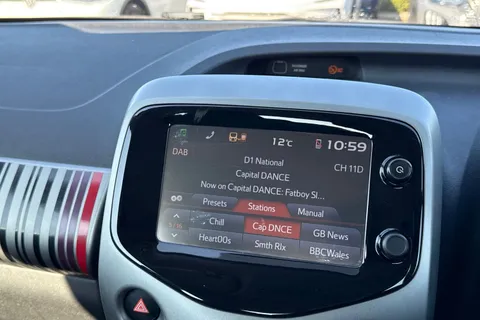
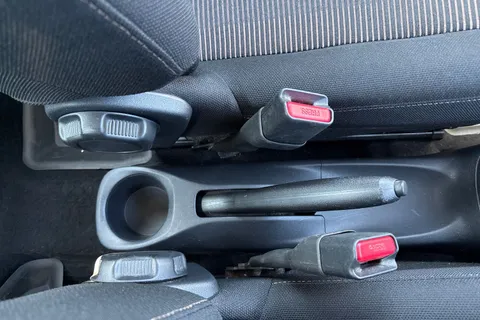
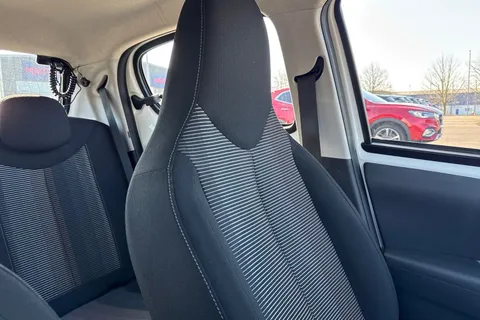
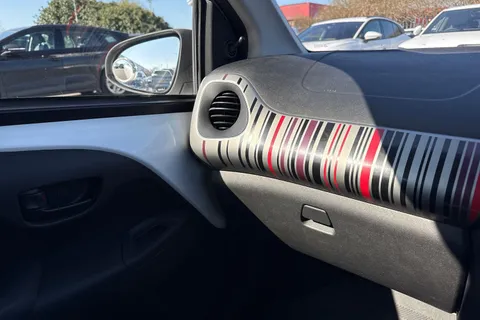
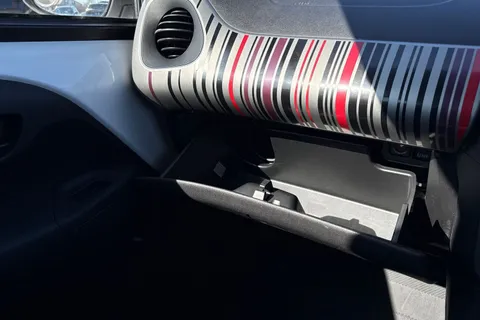
Both the PEUGEOT 108 and 208 make great first cars, the 108 is small, nippy and ideal for town driving, while the 208 adds a bit more space and flair. Whichever you go for, you’ll get low running costs, eye catching design and an easy going drive.
Audi A1
If you’re after something small but stylish, a used Audi A1 ticks all the boxes. It’s got a premium feel throughout, with a smart interior, quality finish and smooth drive. It’s compact enough for city streets but feels grown up enough for longer trips too.

Budgeting and Finance Options
Getting your first car is exciting, but before you start anything, having a budget in mind is something well worth doing. If you set yourself some boundaries then it will mean there are no disappointments down the line and you won’t find yourself in a tighter financial situation than you first expected, either.
Don’t just think about the total price of the car, either. Consider how much it will cost to insure, tax and keep mechanically sound. All of these can quickly add up and transform what first was a cheap car into a far more expensive one.
Payment Options
Cash: No interest or monthly payments but needs upfront savings.
PCP (Personal Contract Purchase): A deposit needs to be paid in order to achieve lower monthly payments, with an option to buy at the end. Usually includes mileage limits.
Hire Purchase: Pay over a period of time and own the car outright after the last payment.
Personal Loan: Could be cheaper but depends on your credit score.
Something to bear in mind when buying your first car on finance is that used cars can sometimes come with slightly higher APR rates compared to new ones.
For example, a new Audi A1 might have an APR of 8.9%, while a used one could be around 12.6%. This isn’t always the case, finance offers vary depending on the car, lender and your credit score, but it’s a useful factor to consider when you're comparing your options and working out your monthly budget.
Ready to Hit the Road?
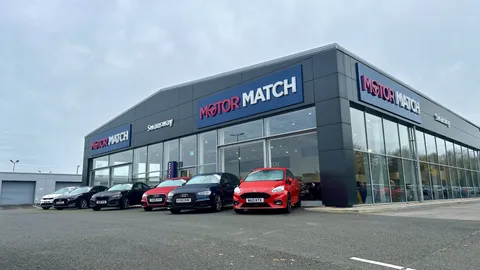
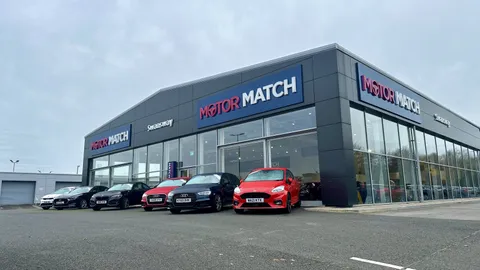
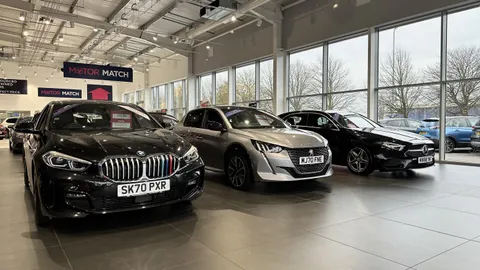
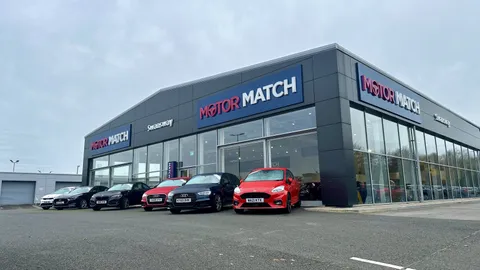
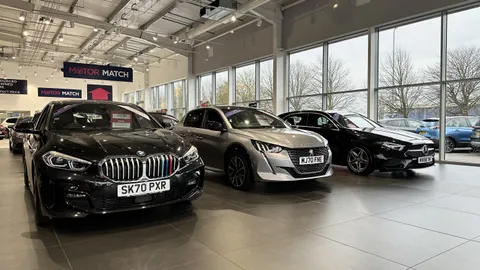
If you’ve passed your driving test or even if you’ve just started learning, you may be looking for your very first car to practice in. Swansway Motor Group supports first time drivers with friendly advice, flexible finance options and a wide selection of new and used vehicles to explore, helping you feel confident in your first big purchase.
Before buying a car, double check the insurance costs of the vehicle you want to buy. Insurance for first time drivers can be expensive depending on the type of car you decide on. If you’re unsure what you're looking for or would like more information about one of the vehicles you see on our website, don’t hesitate to get in touch with one of our team and we’d be happy to help you.
FAQs for First Time Drivers
Here's some commonly asked questions!
Find your first car!
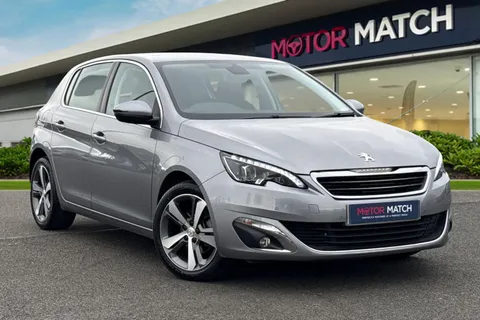
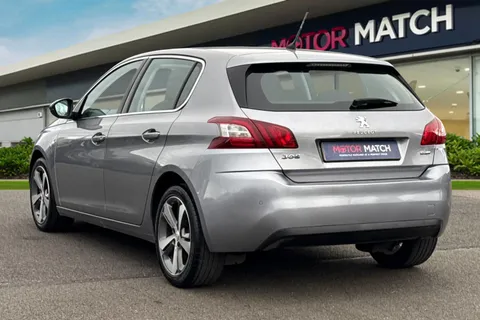
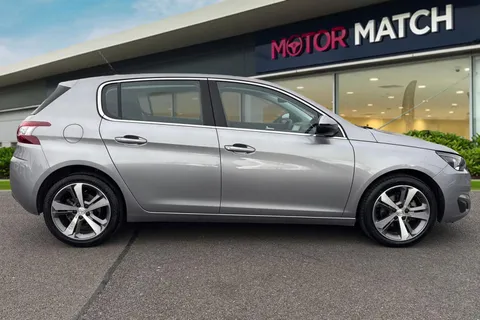
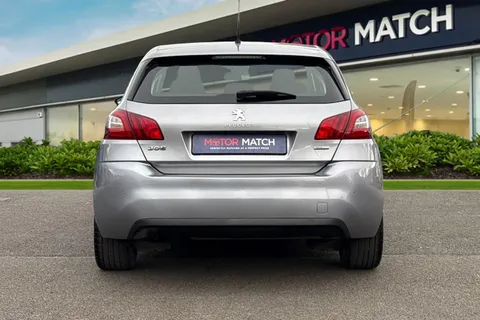
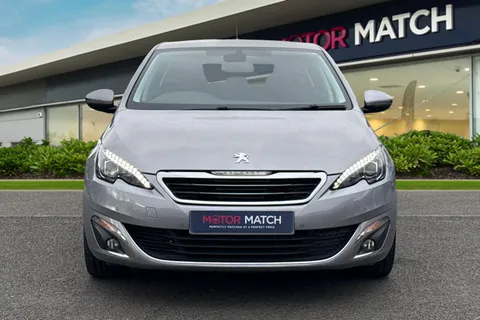
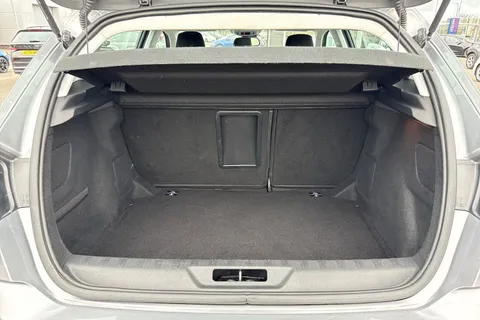
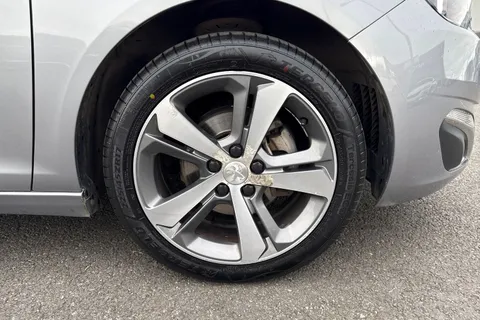
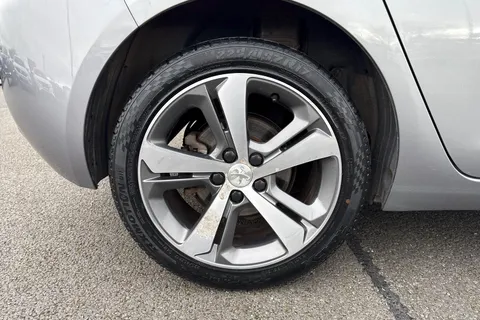
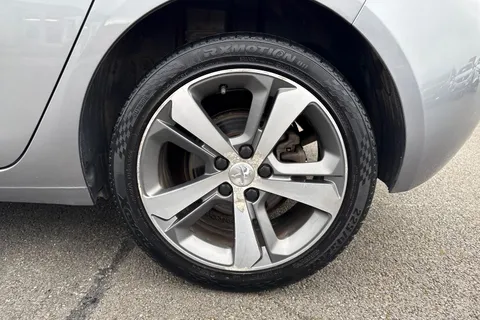
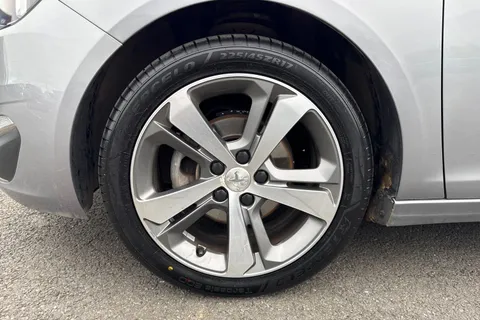
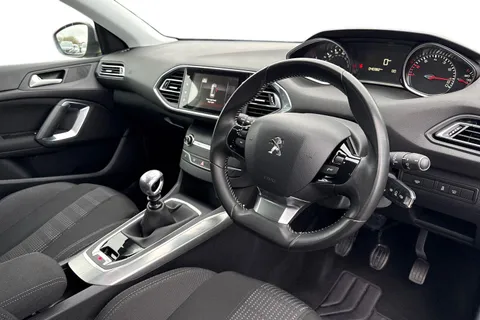
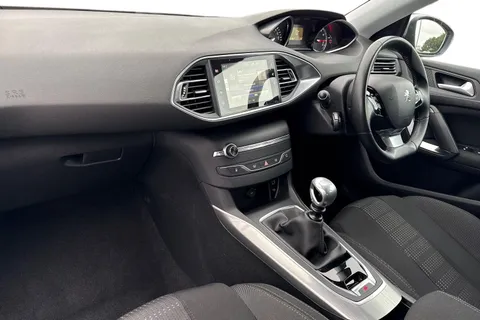
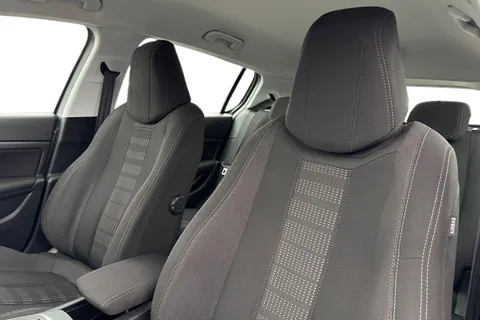
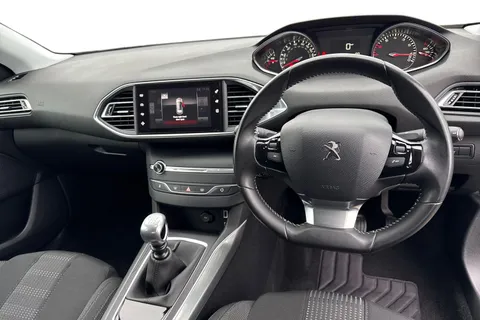
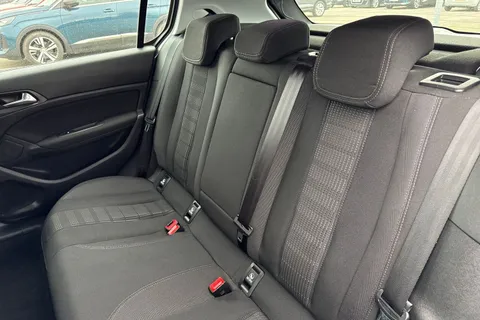
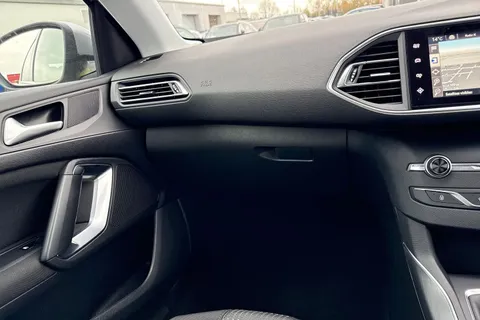
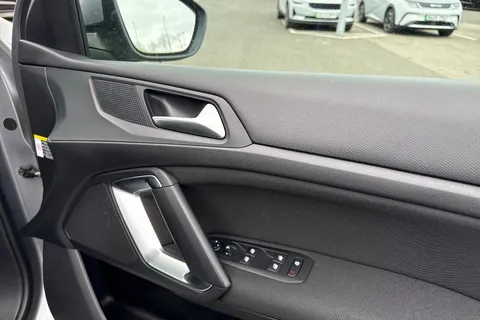
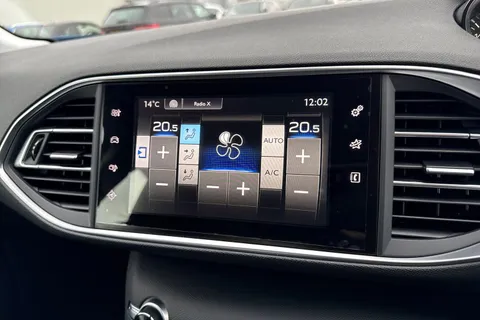
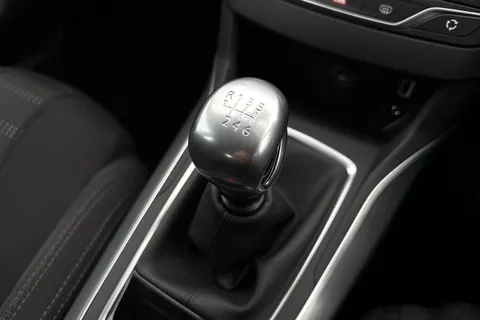
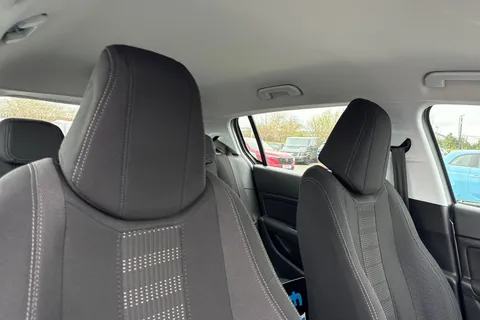
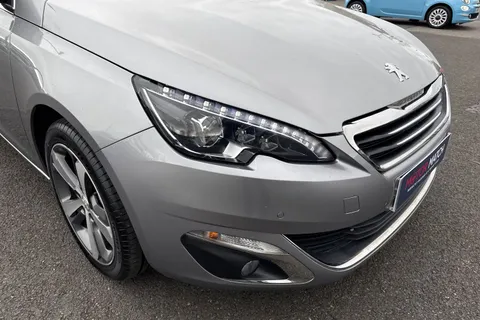
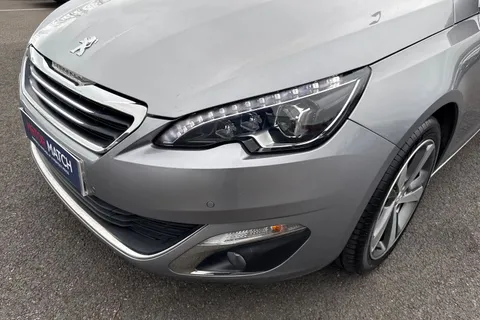
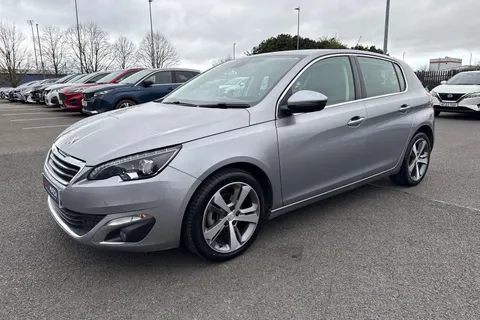
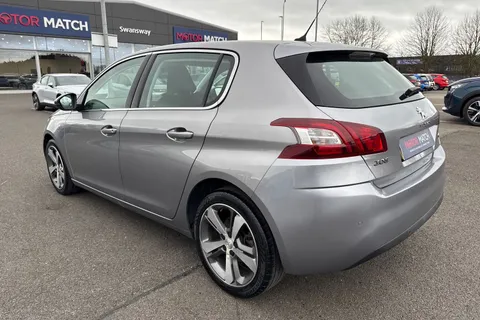
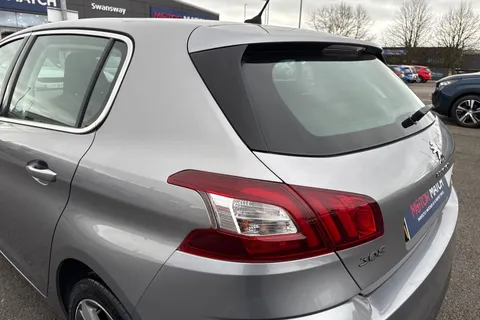
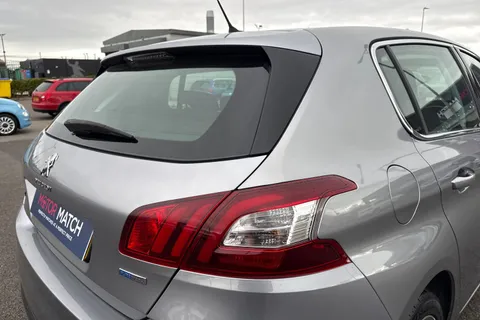
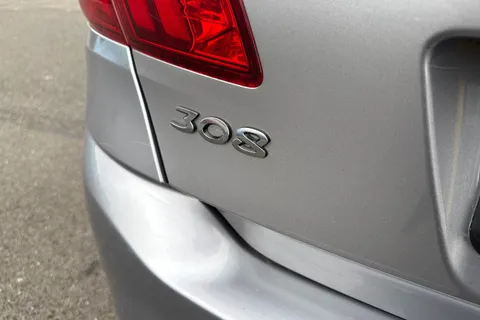
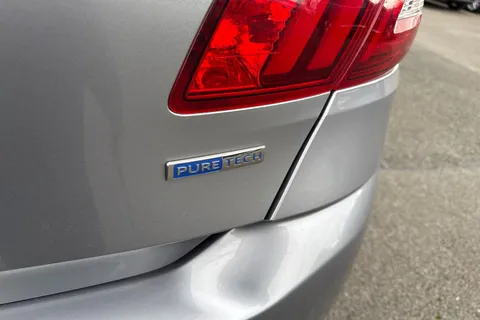
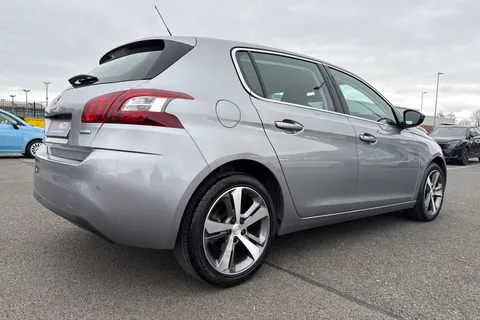
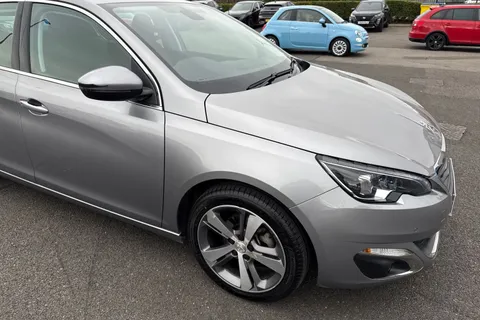
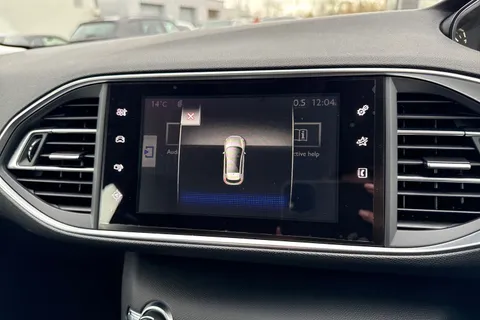
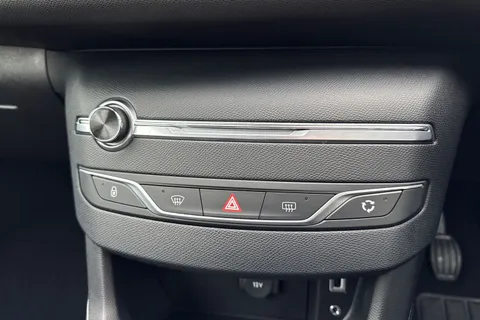
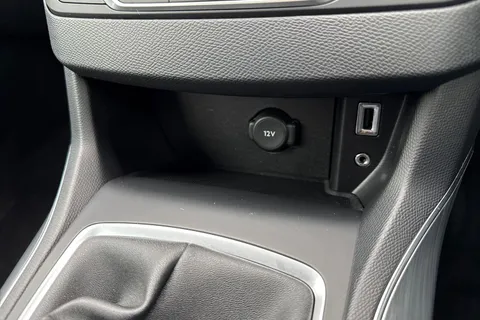
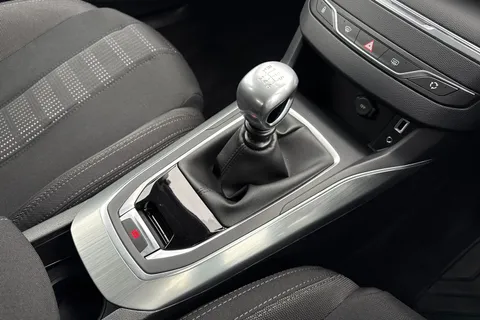
- Go to PEUGEOT 308 1.2 PureTech Allure Euro 6 (s/s) 5dr
£5,995
Finance Available
Affordable options for you2016 PEUGEOT 308
1.2 PureTech Allure Euro 6 (s/s) 5dr
- 2016
- PX16PKU
- Petrol
- Manual
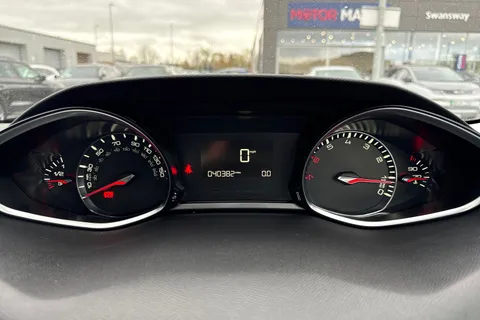
- 40,382 Miles
- Grey
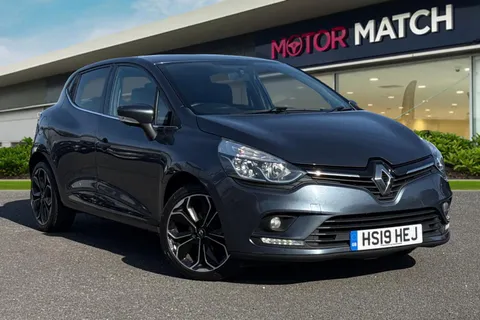
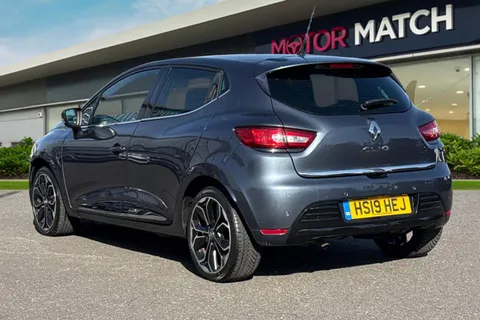
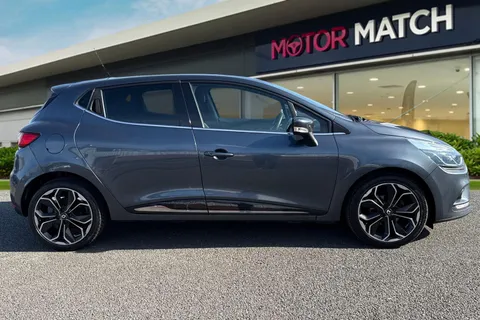
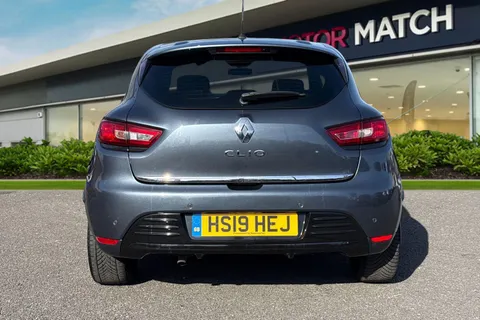
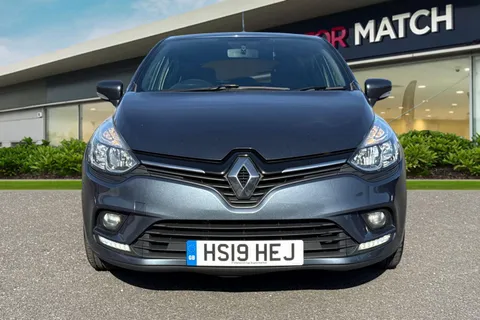
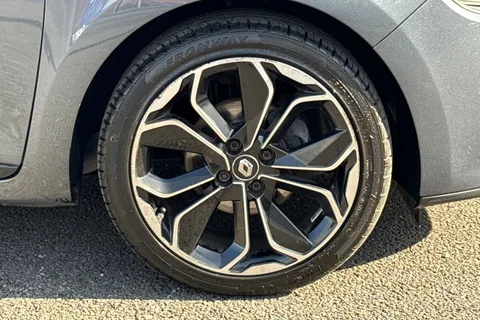
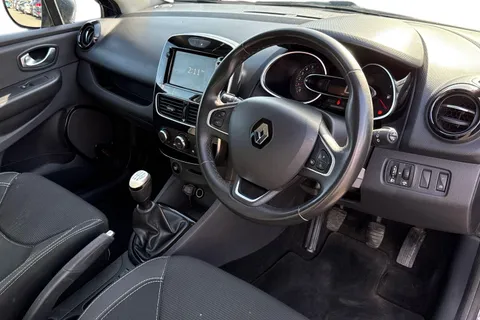
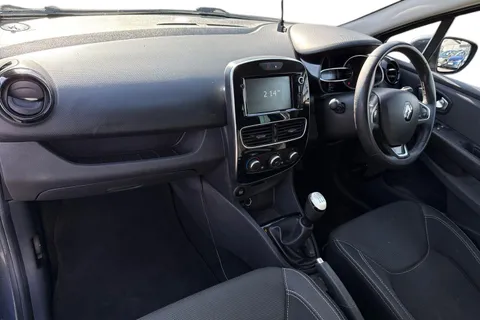
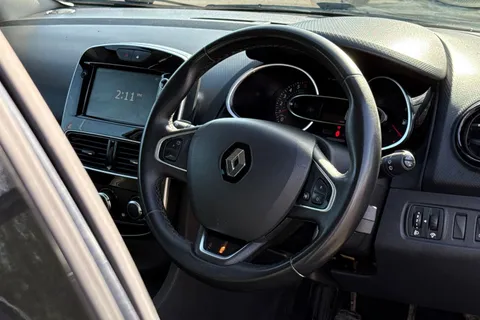
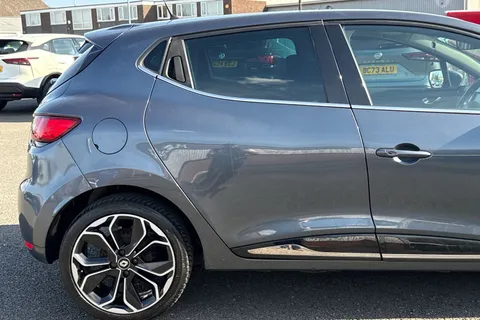
Motor Match Chester - Go to Renault Clio 0.9 TCe Iconic Euro 6 (s/s) 5dr
£6,200
£5,999
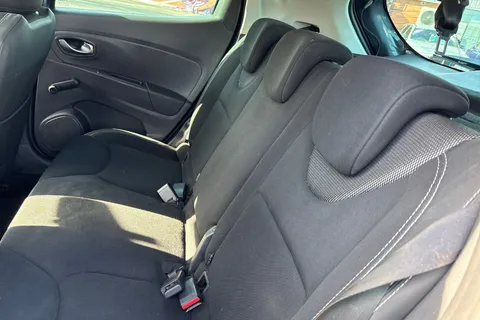
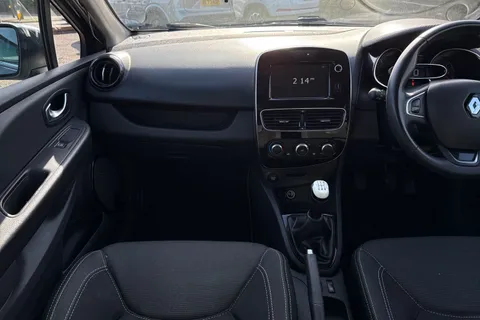
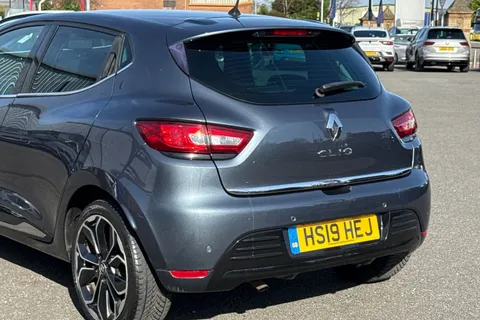
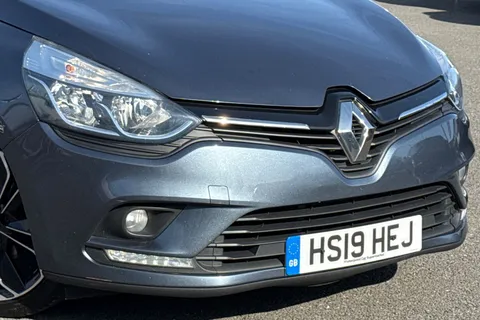
11.9%APR£130/Month2019 Renault Clio
0.9 TCe Iconic Euro 6 (s/s) 5dr
- 2019
- HS19HEJ
- Petrol
- Manual
- 79,073 Miles
- Grey
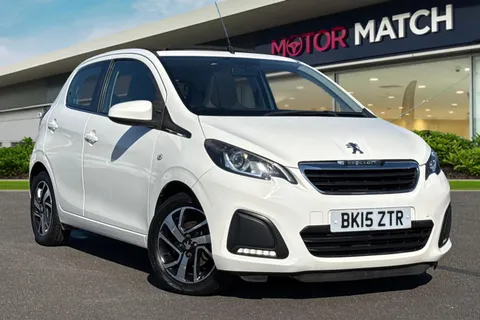
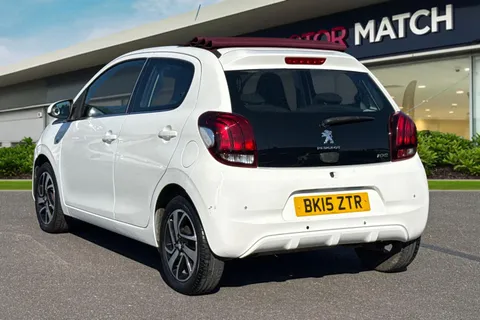
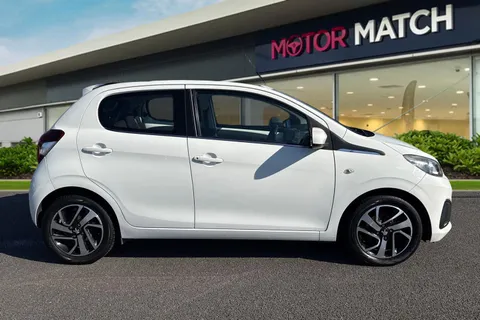
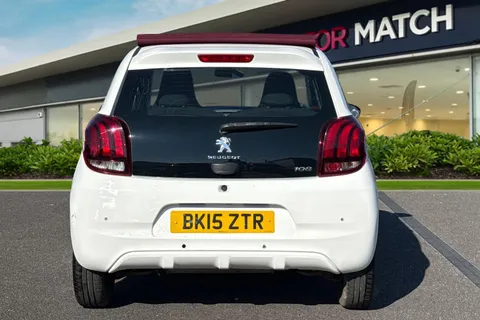
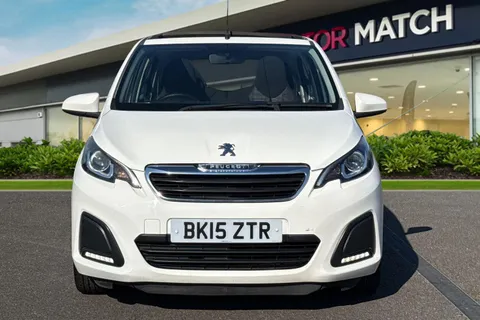
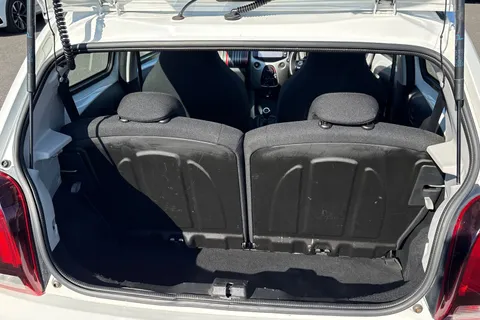
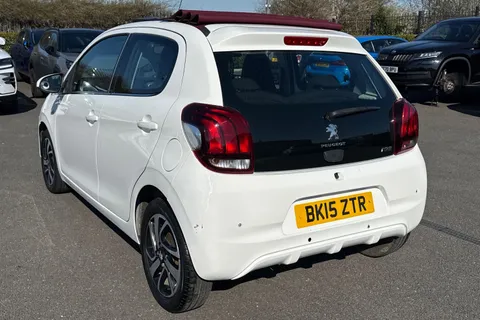
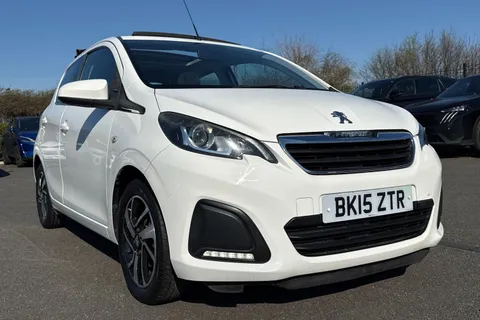
Motor Match Bolton - Go to PEUGEOT 108 1.0 VTi Active Top! 2 Tronic Euro 5 5dr Euro 5
£6,500
£6,349
Finance Available
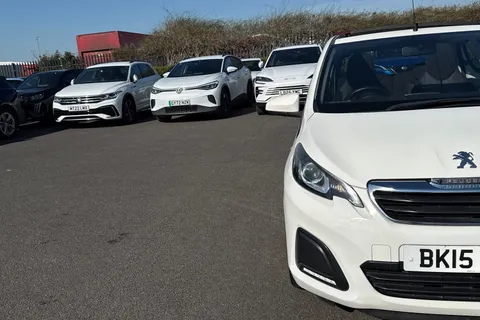
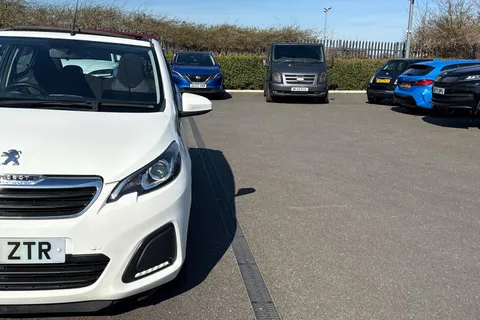
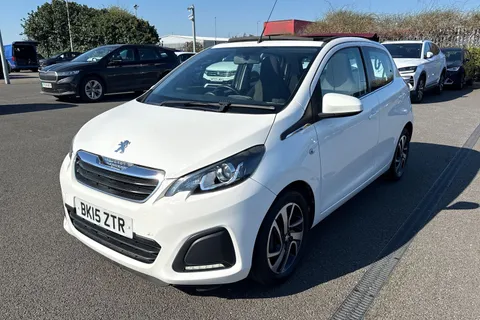
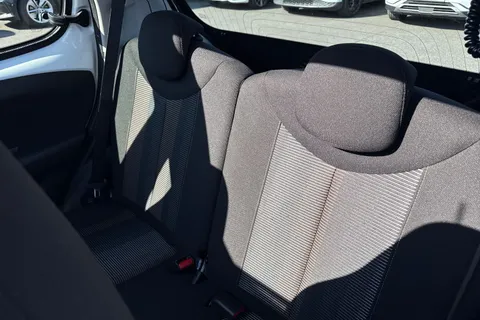
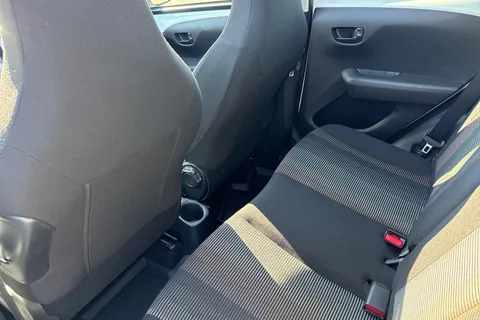
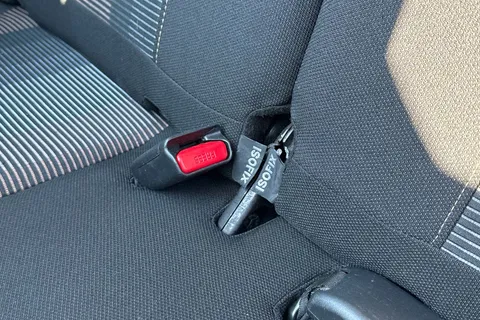
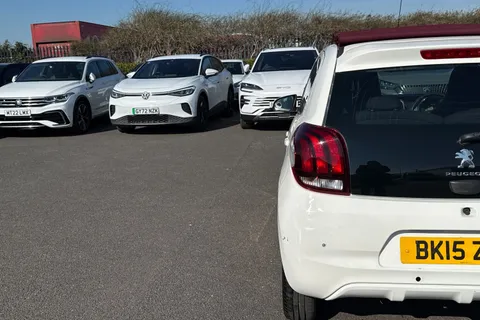
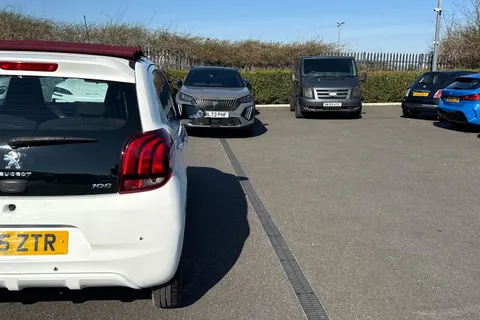
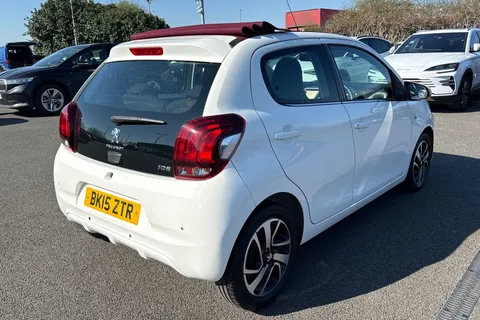
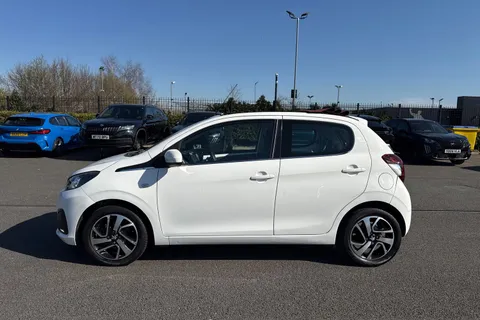
Affordable options for you2015 PEUGEOT 108
1.0 VTi Active Top! 2 Tronic Euro 5 5dr Euro 5
- 2015
- BK15ZTR
- Petrol
- Automatic
- 50,000 Miles
- White
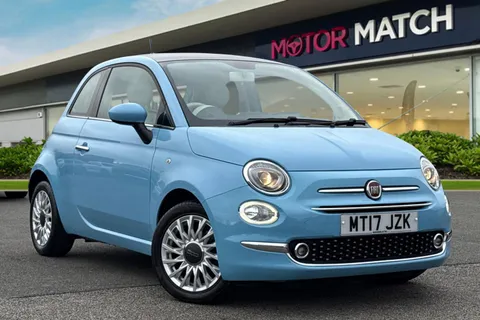
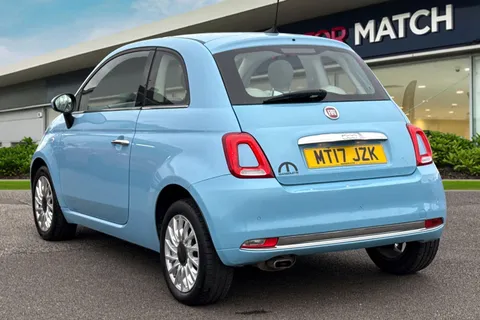
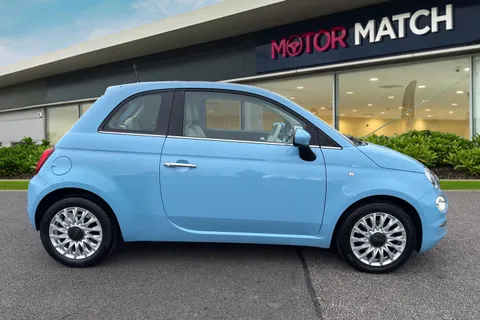
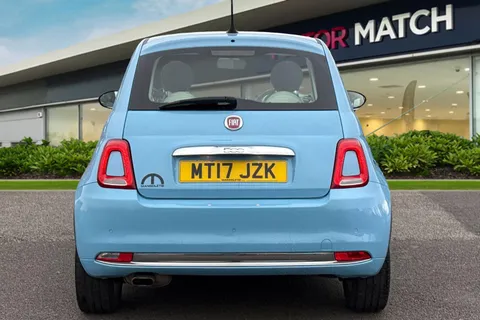
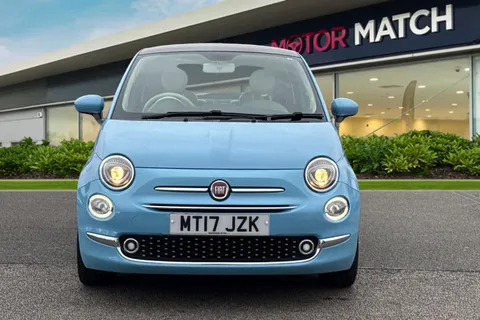
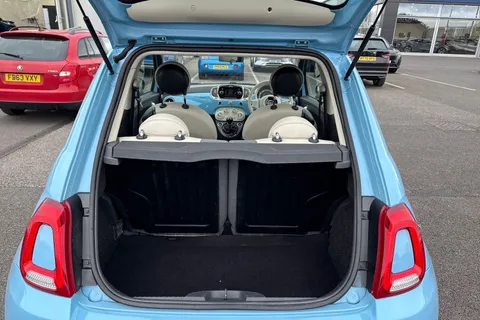
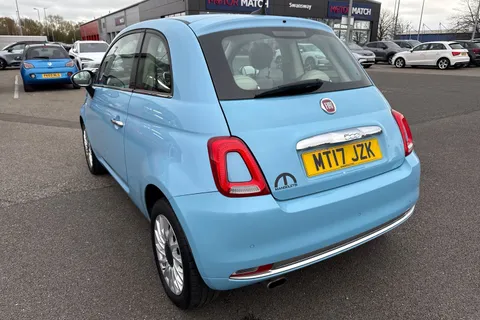
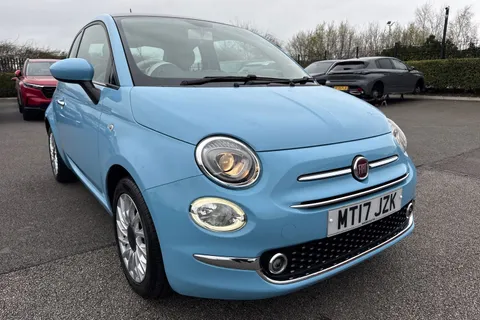
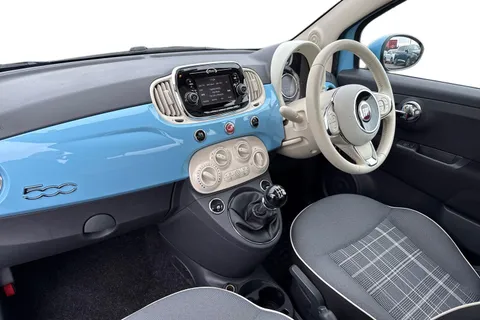
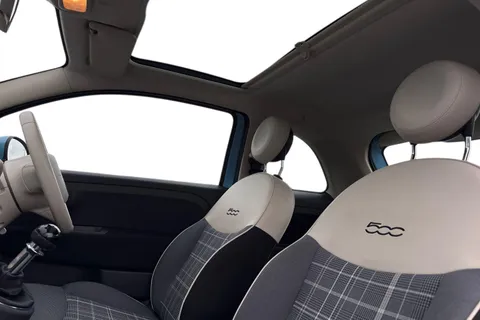
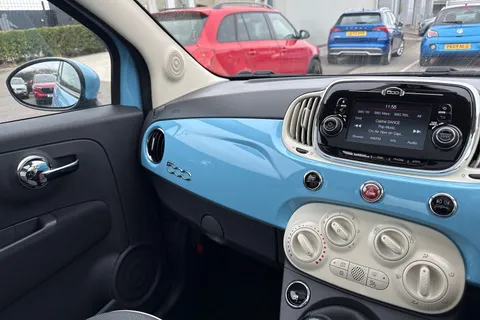
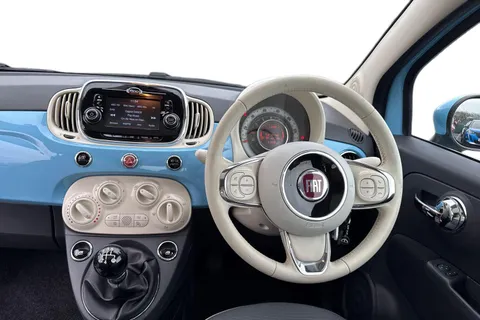
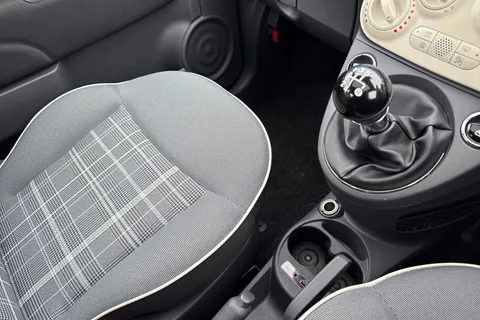
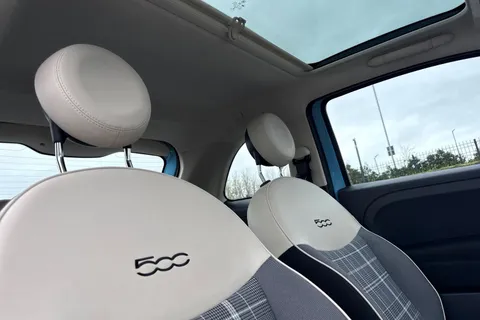
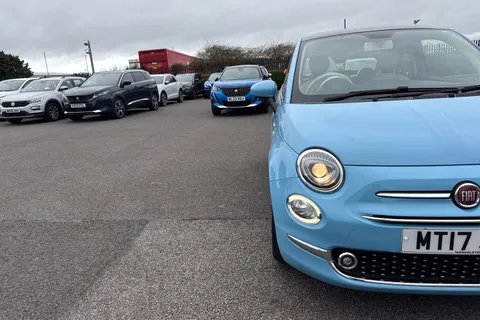
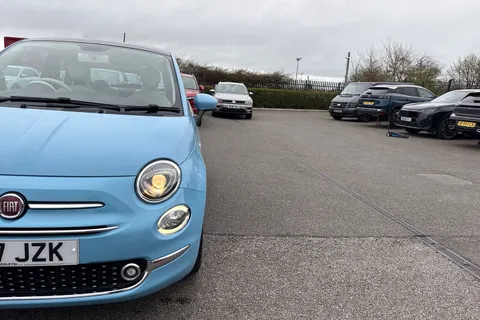
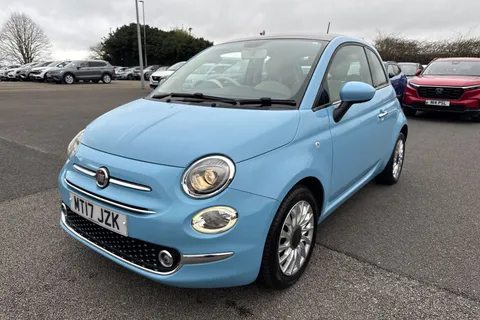
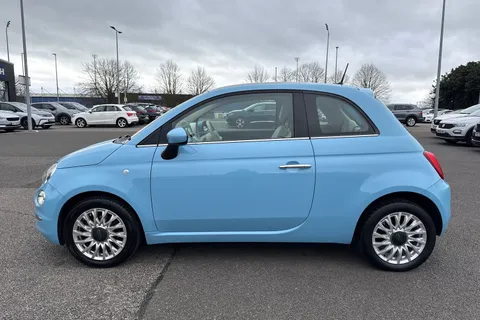
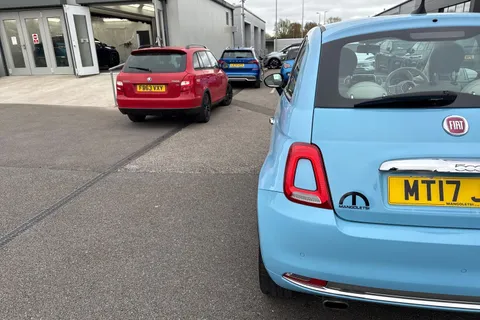
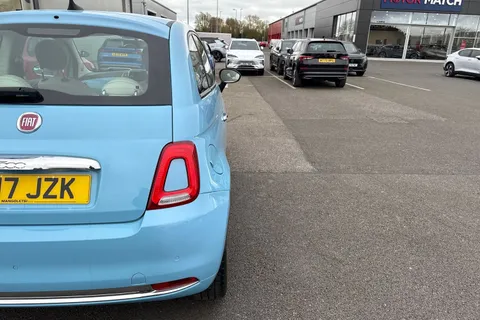
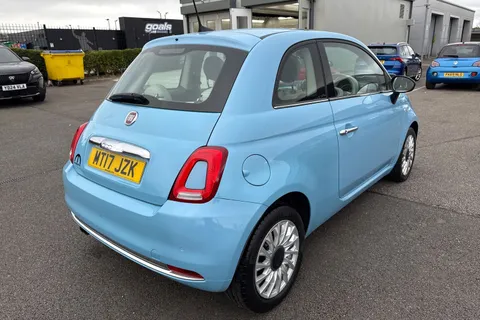
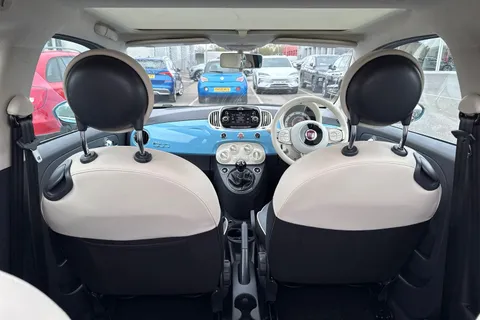
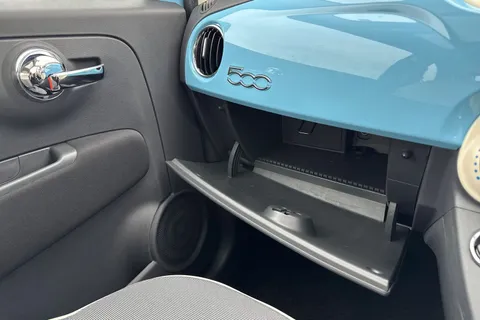
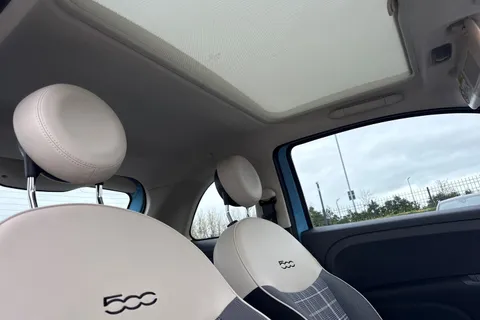
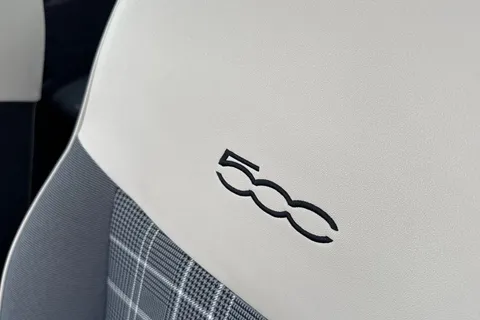
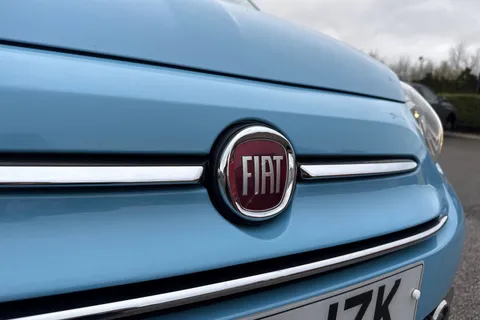
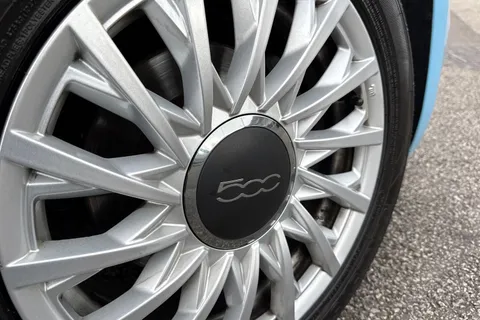
Motor Match Chester - Go to FIAT 500 1.2 Lounge Euro 6 (s/s) 3dr
£6,500
11.9%APR£143/Month2017 FIAT 500
1.2 Lounge Euro 6 (s/s) 3dr
- 2017
- MT17JZK
- Petrol
- Manual
- 31,428 Miles
- Blue
Motor Match Chester