How the Global Landscape has Shifted
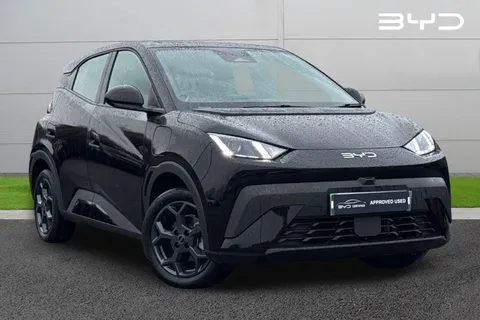
The global automotive landscape is shifting quickly as Chinese manufacturers such as BYD and OMODA JAECOO expand into the UK market. For decades, legacy brands dominated dealership networks and customer loyalty, but the current wave of new entrants is challenging the market as we know it.

Why Chinese Manufacturers are Changing the Landscape
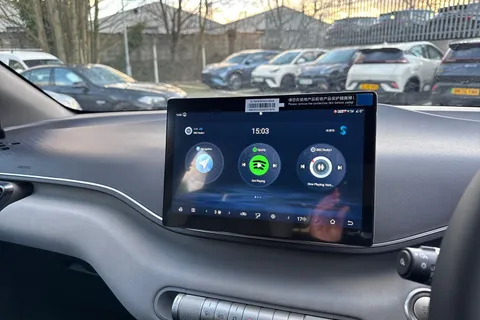
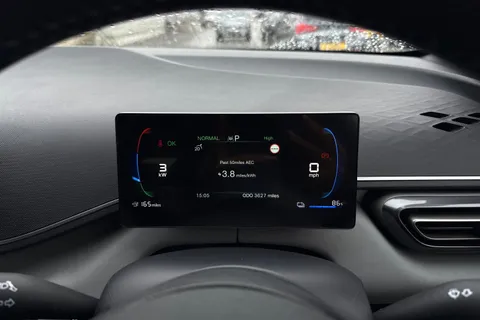
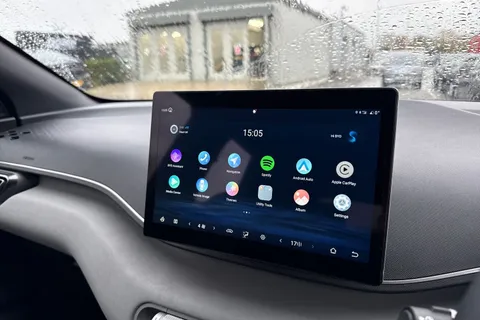
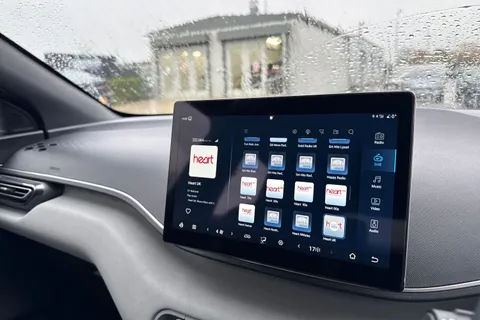
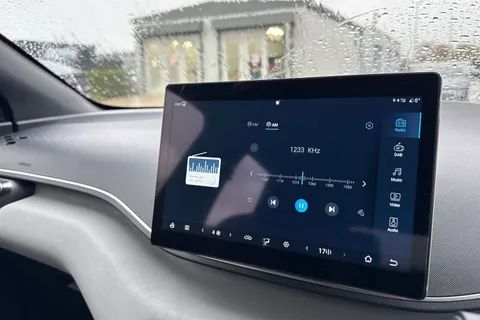
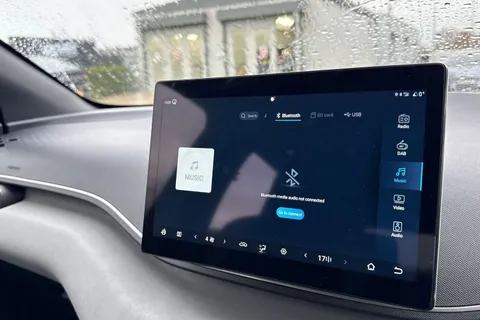
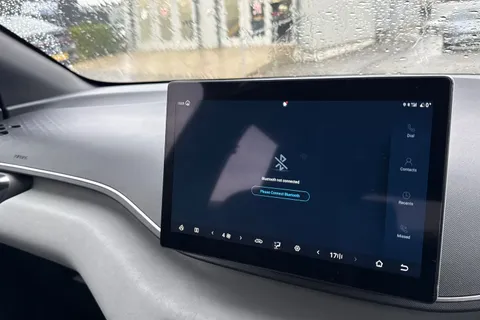
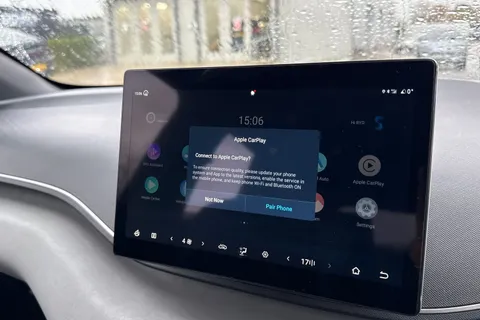
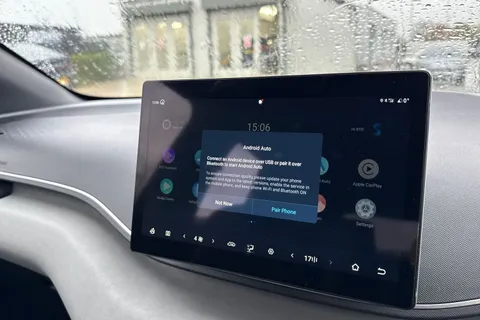
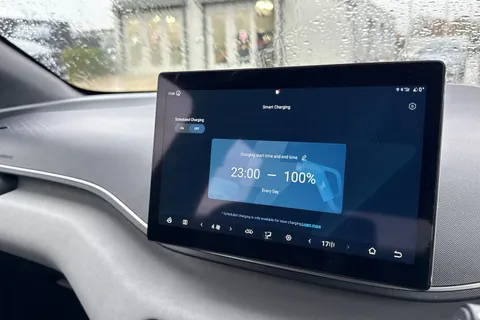
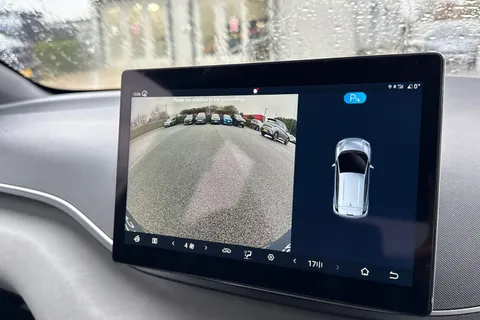
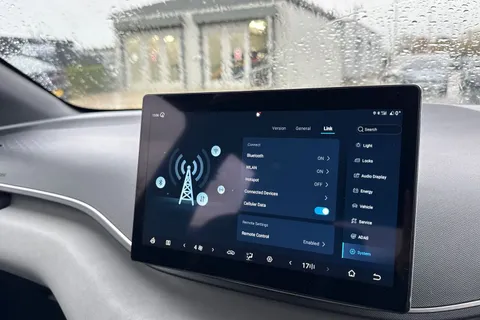
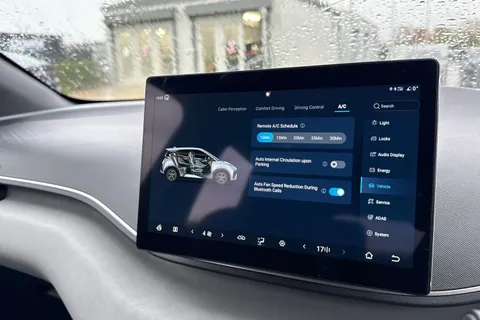
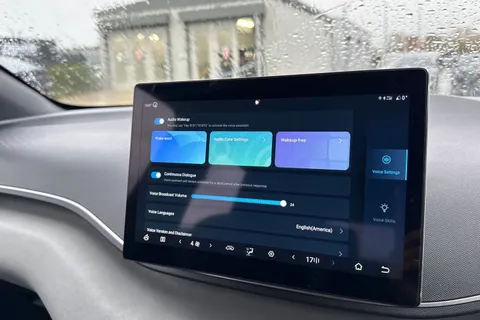
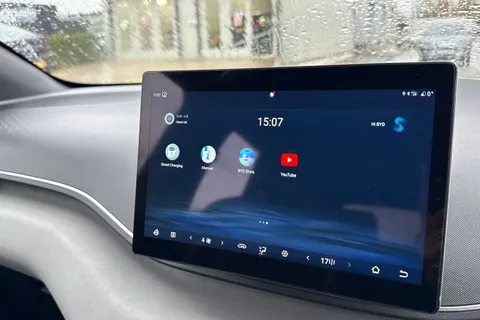
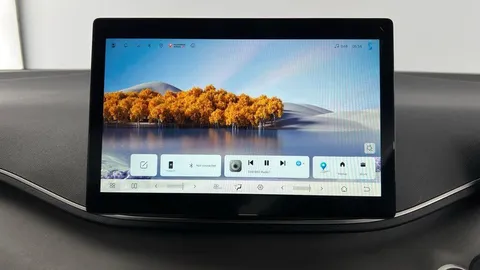
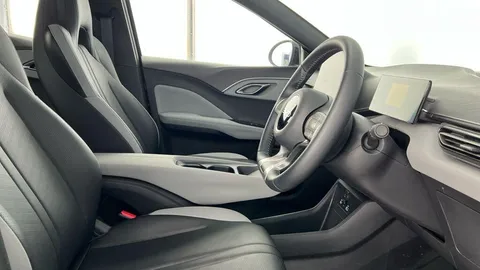
One of the main reasons is value, today’s car buyers are increasingly driven by affordability, technology and the overall ownership proposition rather than simply brand heritage. Chinese OEMs are entering the market with vehicles that offer competitive pricing alongside impressive levels of car technology.
From a customer perspective, the decision often comes down to the monthly payment rather than the badge on the boot.

David Smyth, Director, Swansway Motor Group said:
“Car technology now beats loyalty for a lot of customers. If the product offers strong value and great technology, buyers are willing to consider brands they might not have looked at before.”
Finance affordability remains a major factor in consumer buying decisions. Across the market there is a clear ‘sweet spot’ which is around the £300 per month range and manufacturers that can meet the price point with well featured vehicles are gaining traction with consumers. For legacy manufacturers, the challenge is not simply competition from new brands but the speed at which the market is evolving. Large scale operations once gave established brands a major advantage, but scale can also make it harder to move quickly.
“Scale used to be a strength for manufacturers, but in a fast moving market it can also become a liability for both the OEM and the retailer,” said Peter Smyth, Director, Swansway Motor Group.

Chinese Manufacturers have Remarkable Ability
Chinese manufacturers have demonstrated a remarkable ability to move quickly. In a relatively short space of time they have built brand awareness, entered new markets and started securing dealership representation across the UK and Europe.
In many cases, the strategy itself is not entirely new, but the pace of execution is significantly faster than the industry has traditionally experienced. Electrification has also played a key role in reshaping the competitive landscape. The shift to electric vehicles has effectively reset parts of the market, reducing some of the traditional advantages long held by established manufacturers.
“Electrification has both levelled the playing field and reset it. New brands can compete in ways that would have been much harder ten years ago,” said John Smyth, Director, Swansway Motor Group.
Chinese Manufacturers Delivering Customers Demands
Dealers themselves are increasingly open to working with emerging manufacturers. In reality the decision is often driven by both belief in the product and the economic opportunities available. Customer demand ultimately drives this change, as buyers are open to new brands if the technology, design and price point meet their expectations. Looking ahead, consolidation across the industry feels likely, as some legacy manufacturers will adapt and evolve, while others may struggle to keep pace with the speed of transformation.
David Smyth, Director, Swansway Motor Group said:
“The biggest challenge for the industry isn’t competition itself, it’s the pace of change.”
What’s clear is that the conditions shaping today’s market, electrification, digital retail and changing buyer priorities, have created an environment where new entrants can establish themselves far more quickly than in the past.
Browse BYD & OMODA JAECOO cars
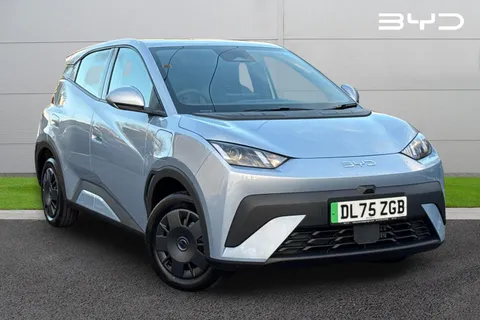
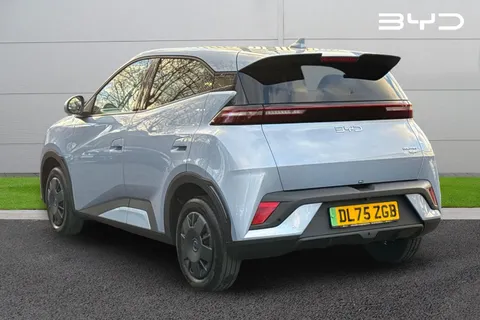
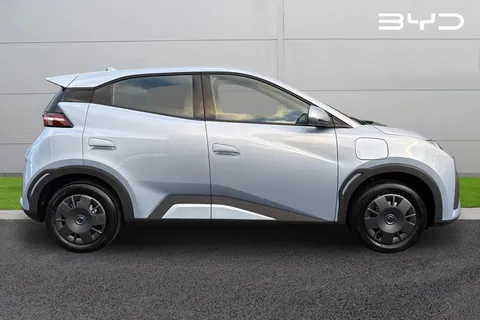
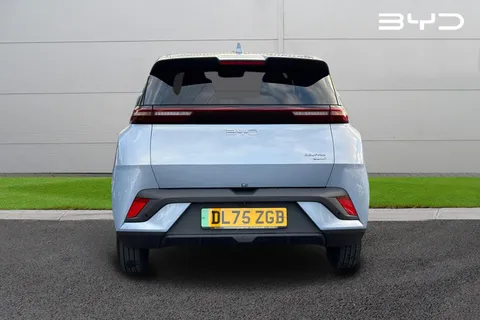
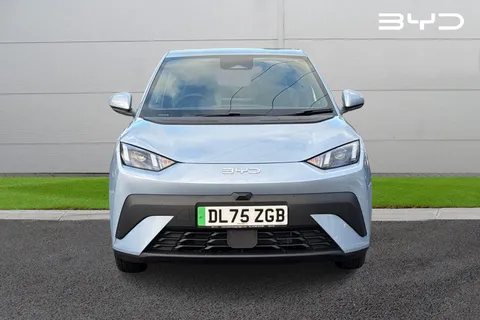
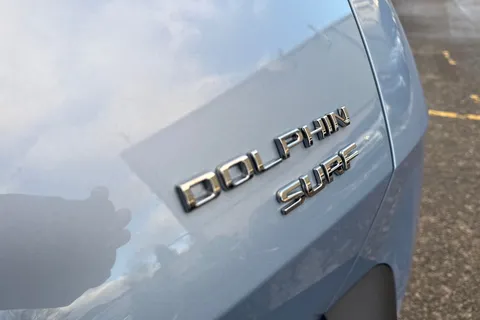
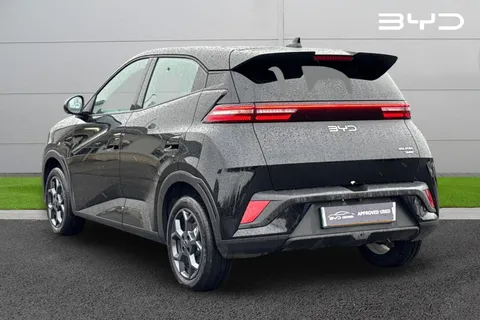
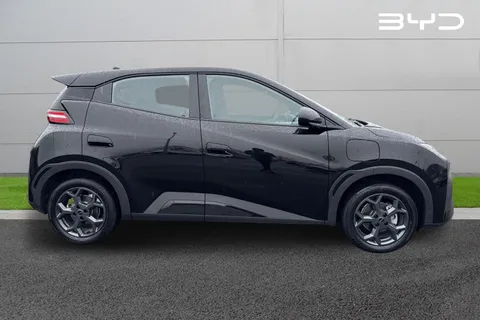
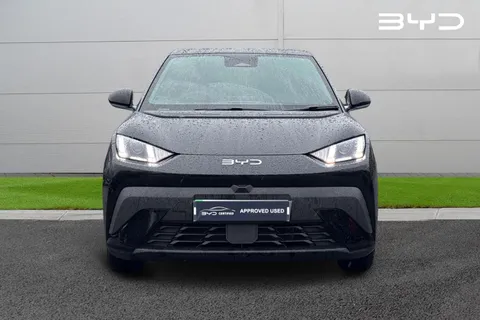
- Go to BYD Dolphin Surf 30kWh Active Auto 5dr
This vehicle is currently reserved. We may have a similar vehicle in stock, so please Contact us for more details and we’ll get back to you.
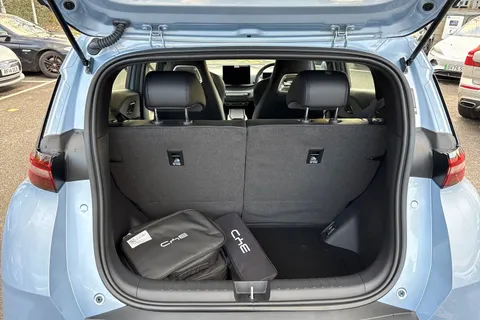
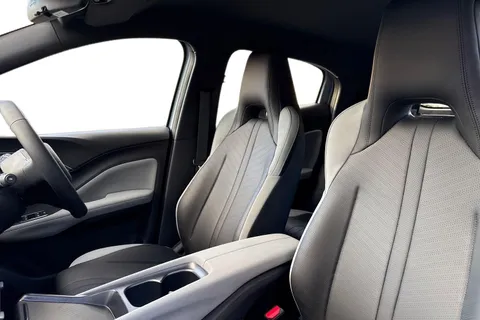
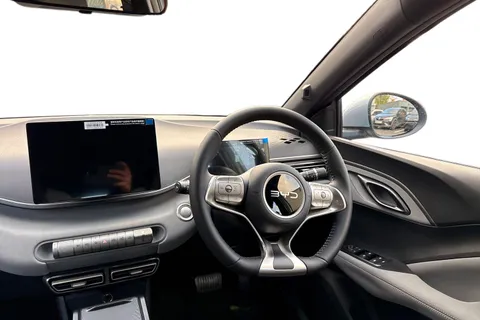
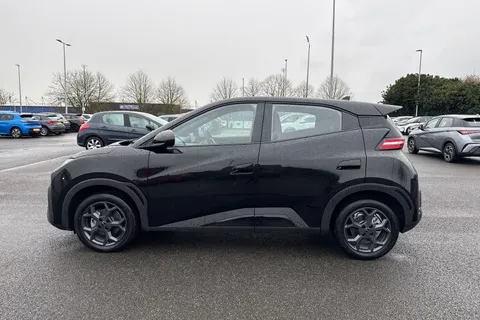
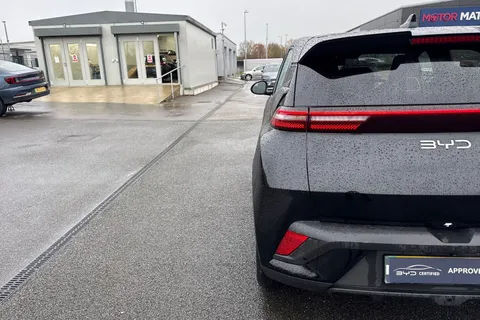
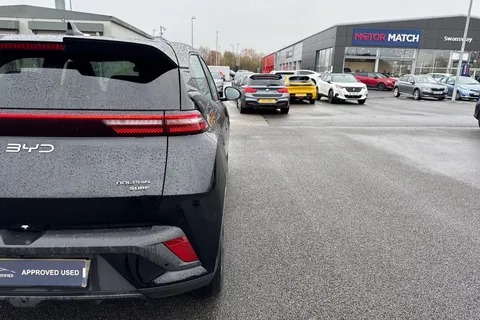
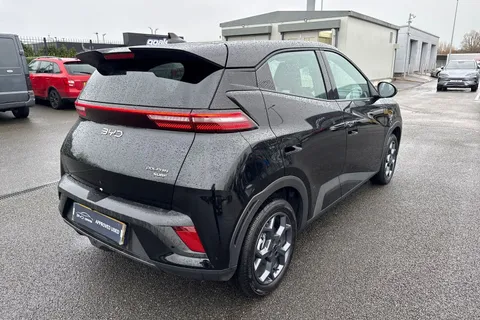
2025 BYD Dolphin Surf
30kWh Active Auto 5dr
- 2025
- DL75ZGB
- Electric
- Automatic
- 100 Miles
- 137 Miles Range
BYD Stoke - Go to BYD Dolphin Surf 43.2kWh Boost Auto 5dr
£16,495
£14,990
8.9%APR£234/Month2025 BYD Dolphin Surf
43.2kWh Boost Auto 5dr
- 2025
- DA75NNO
- Electric
- Automatic
- 4,000 Miles
- Black
- 200 Miles Range
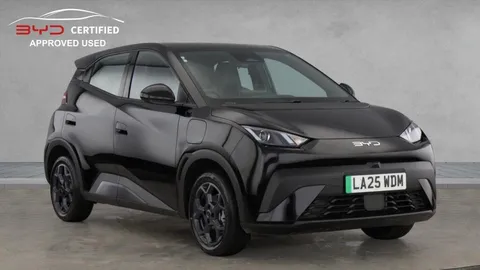
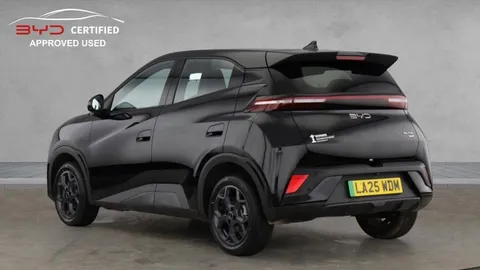
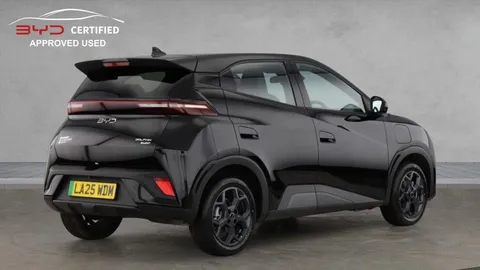
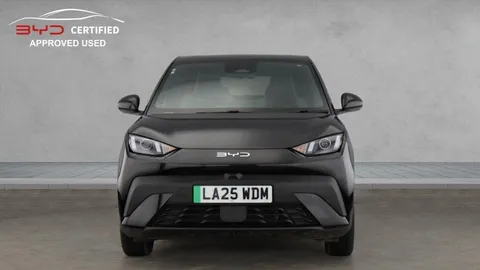
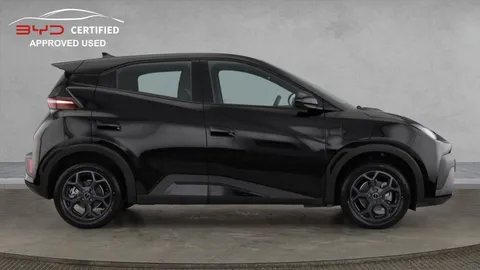
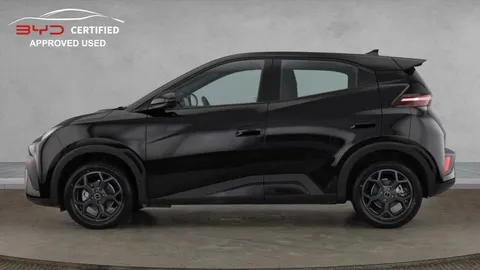
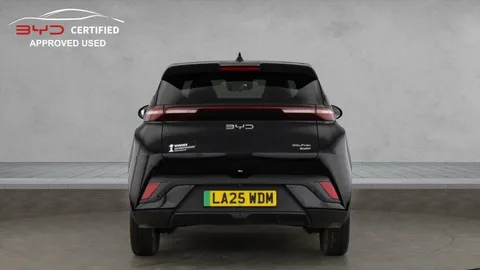
BYD Chester - Go to BYD DOLPHIN SURF 65kW Boost 43kWh 5dr Auto
£14,990
8.9%APR£236/Month2025 BYD Dolphin Surf
65kW Boost 43kWh 5dr Auto
- 2025
- LA25WDM
- Electric
- Automatic
- 1,490 Miles
- BLACK
- 200 Miles Range
BYD Crewe - Go to BYD Dolphin Surf 30kWh Active Auto 5dr
£18,625
£14,995
Finance Available
Affordable options for youBYD Dolphin Surf
30kWh Active Auto 5dr
- Electric
- Automatic
- 1 Miles
- Blue
- 137 Miles Range
BYD Chester