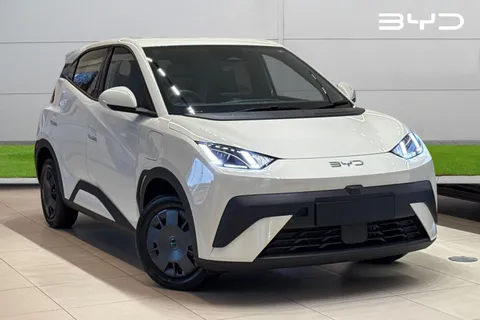
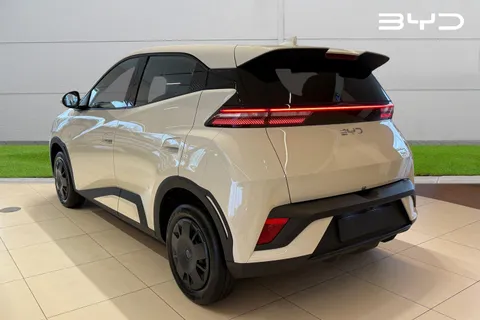
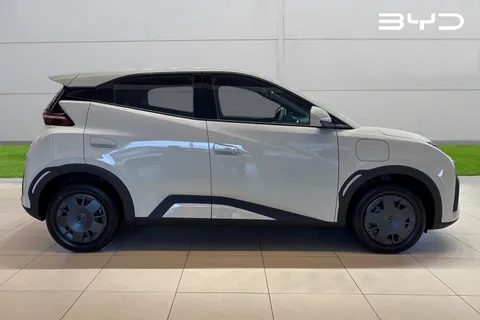
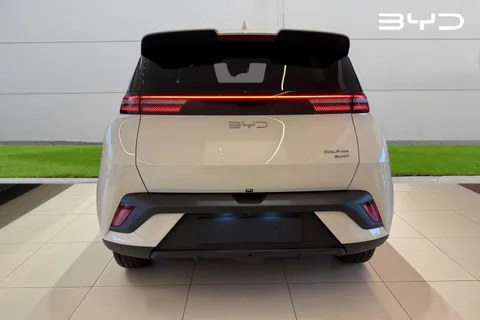
Are Chinese Cars Actually Better Value?
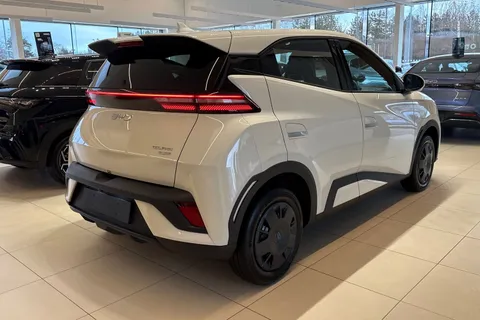
A few years ago, most UK buyers wouldn’t seriously consider a Chinese car. Fast forward to 2026, and brands like BYD, MG, OMODA and JAECOO are everywhere in showrooms, on finance deals, and even topping “best value” lists.
So the big question is:
Are Chinese cars actually better value or just cheaper for a reason?
The answer is more interesting than a simple yes or no.

How & Why Chinese Cars are Making Waves
Chinese manufacturers have exploded in the global car market by focusing on three things:
- Electric vehicle technology
- Aggressive pricing
- Fast product development cycles
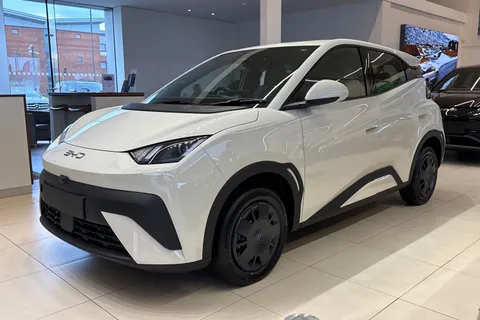
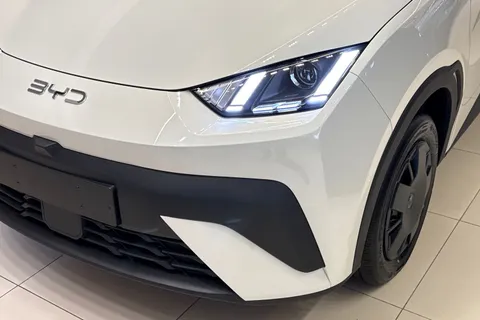
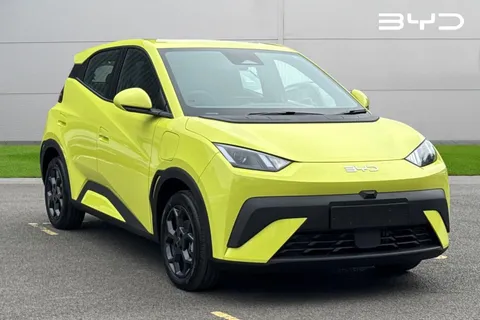
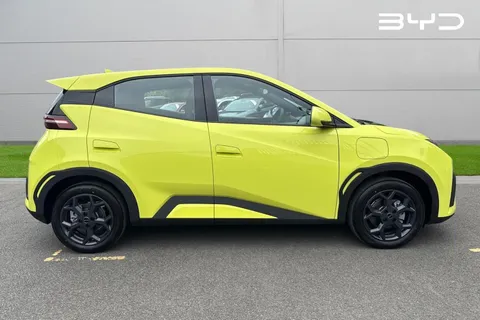
Brands like BYD have become global EV leaders in a very short time, while newer names like JAECOO and OMODA are pushing into the UK with SUV-focused line-ups.
The result? You now get cars that often look and feel “premium” for significantly less money.

The Biggest Argument: Price vs Equipment
This is where Chinese cars immediately stand out.
What you usually get
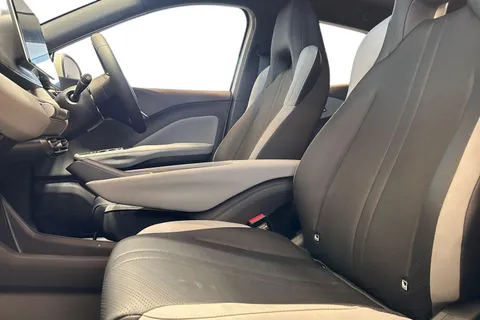
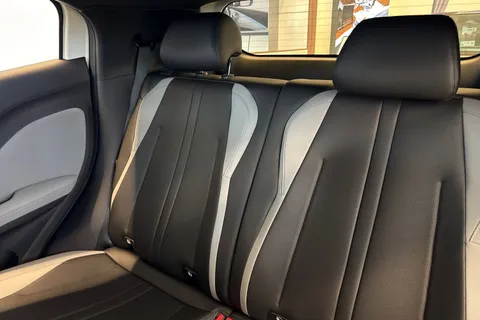
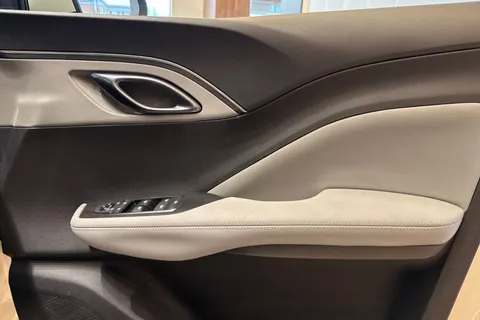
Compared to traditional European brands, Chinese cars often include:
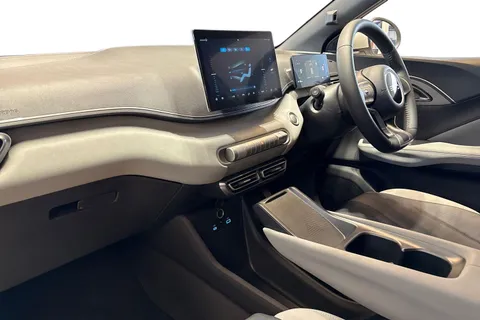
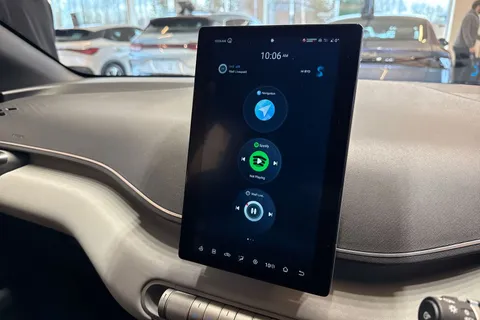
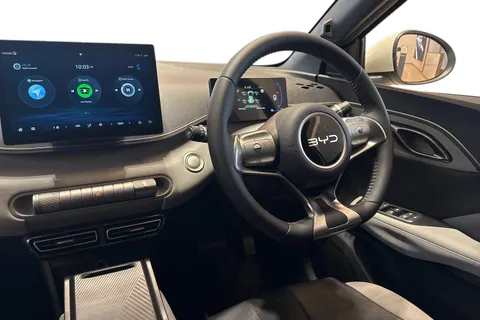
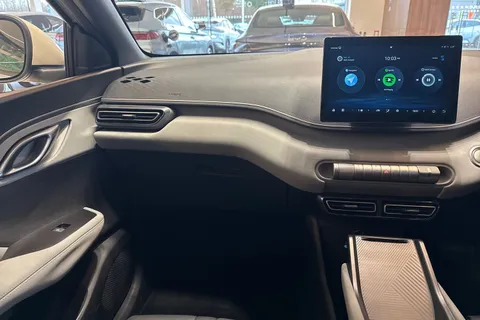
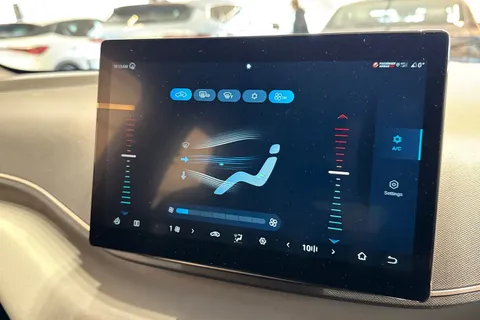
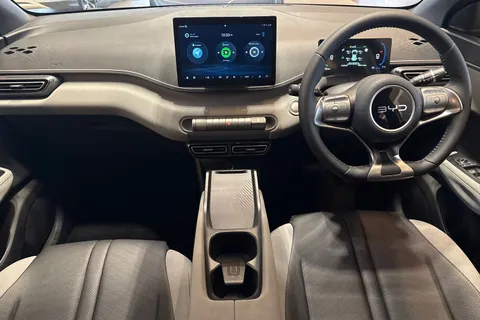
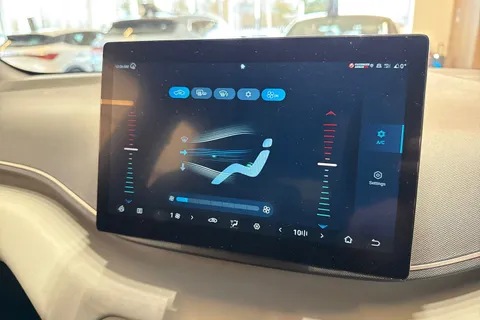
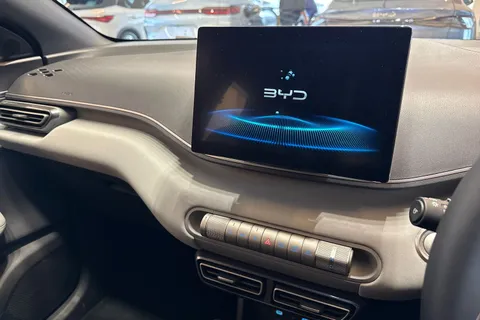
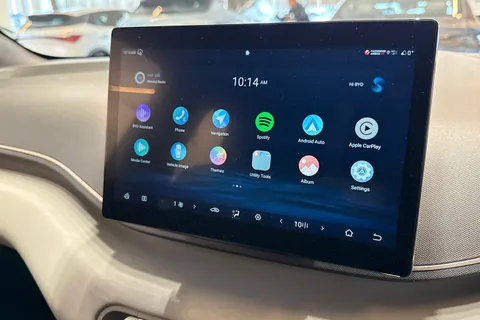
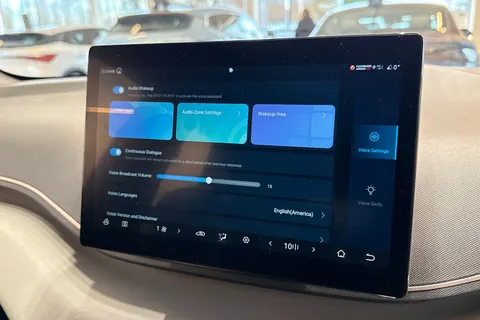
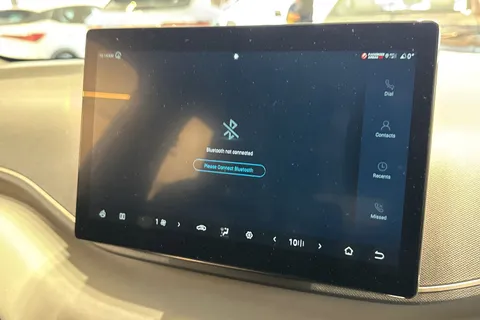
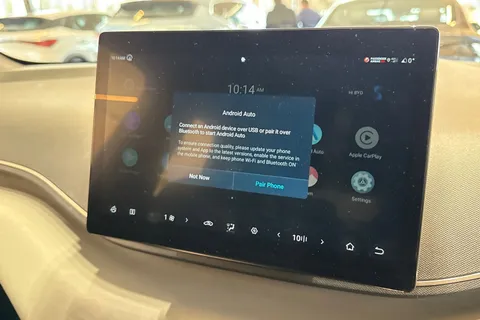
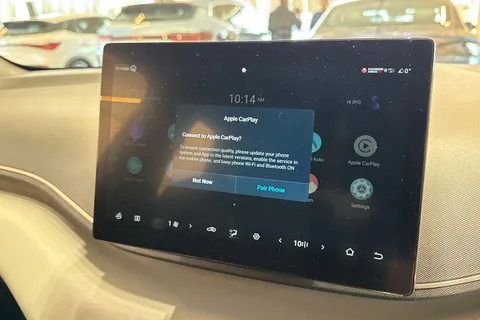
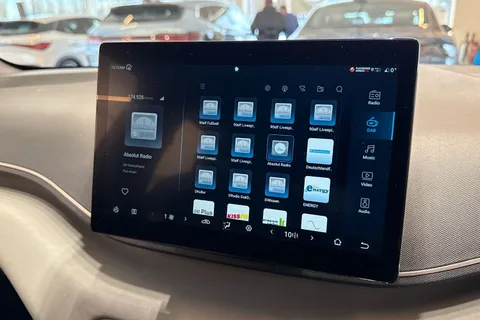
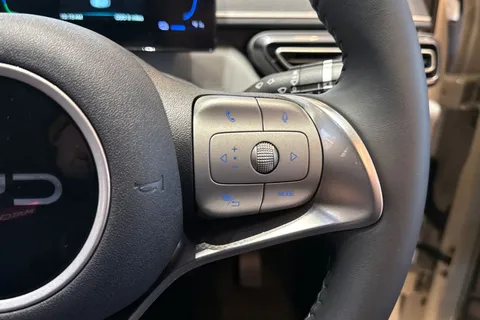
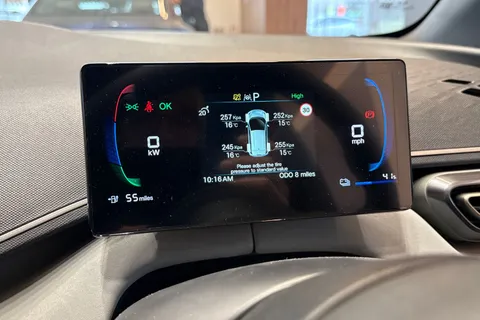
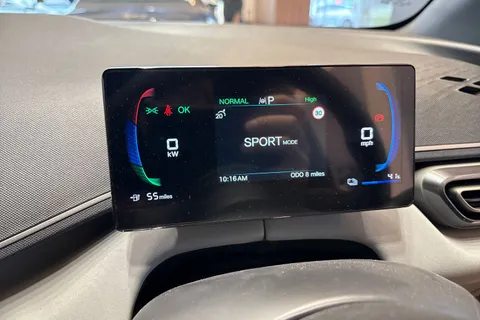
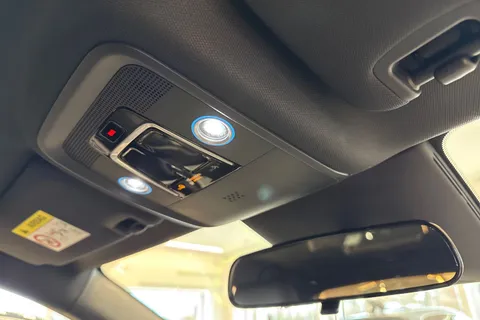
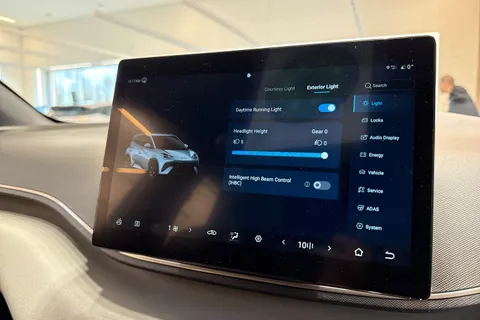
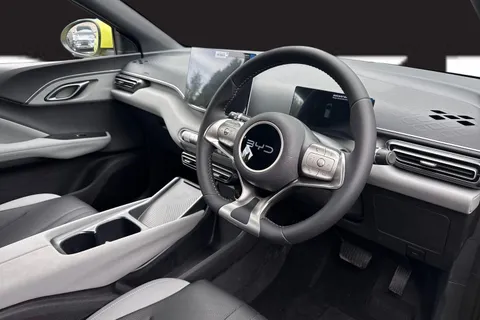
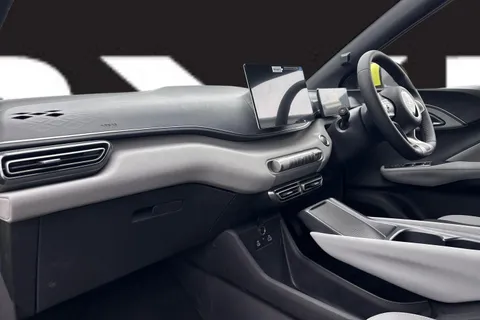
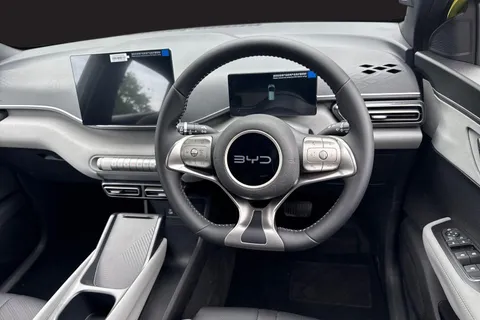
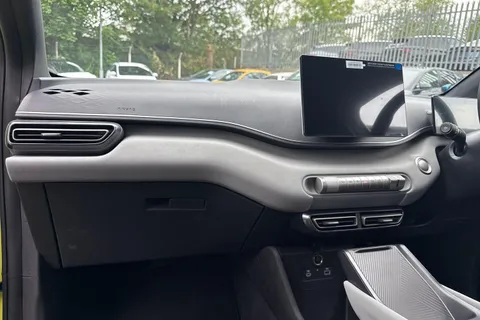
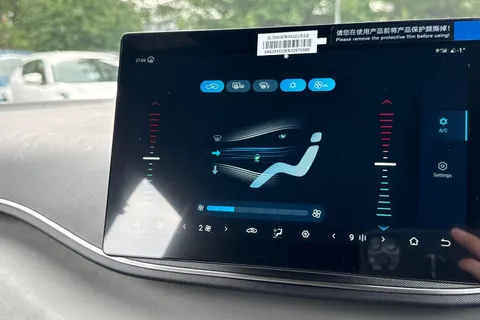
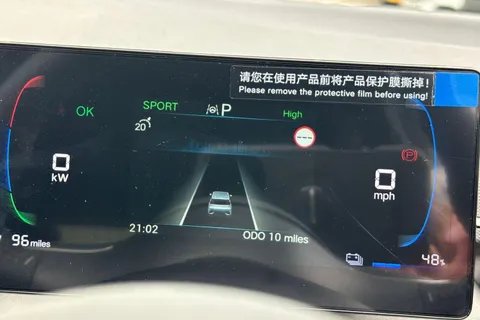
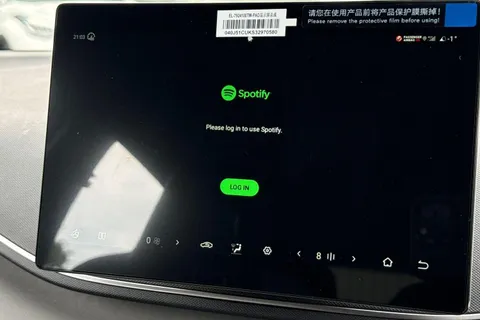
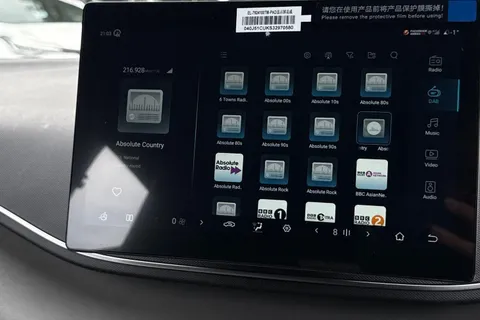
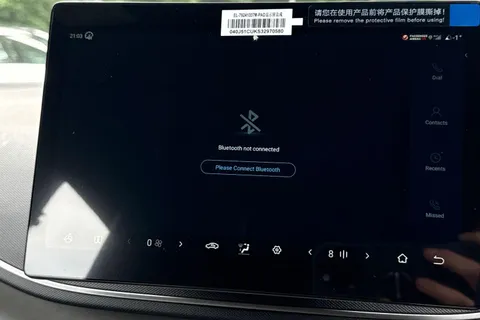
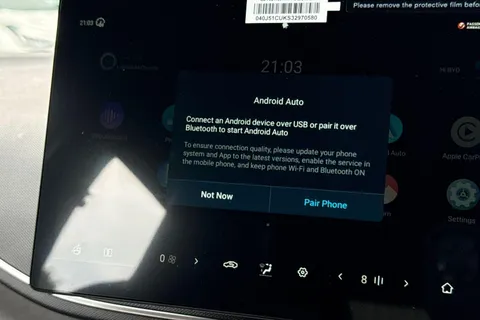
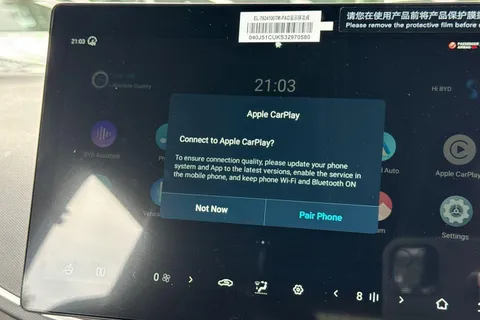
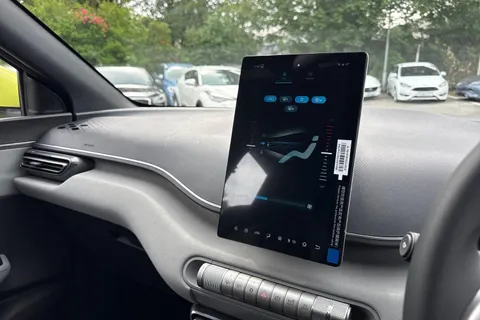
- Large touchscreen infotainment systems
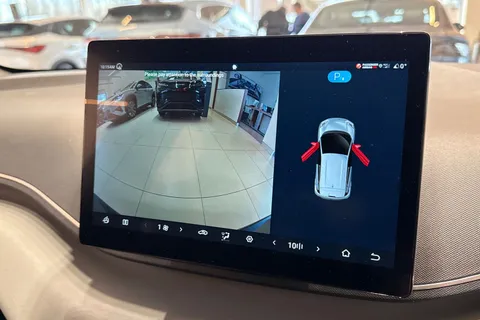
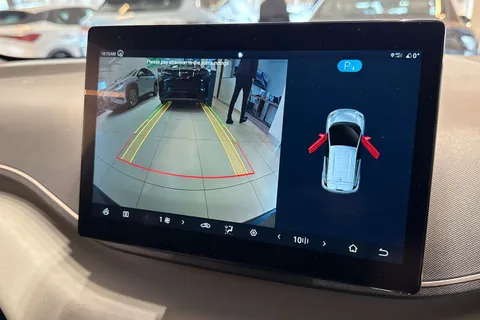
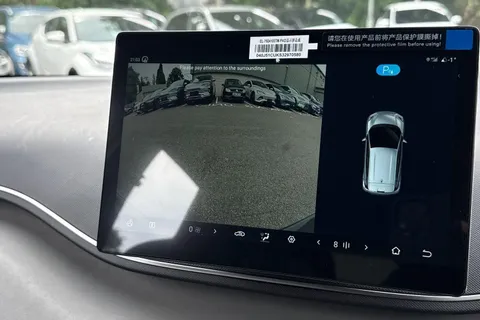
- 360° cameras as standard
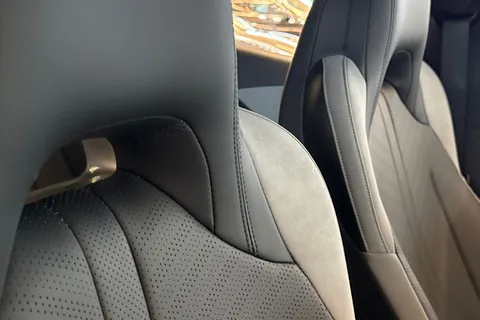
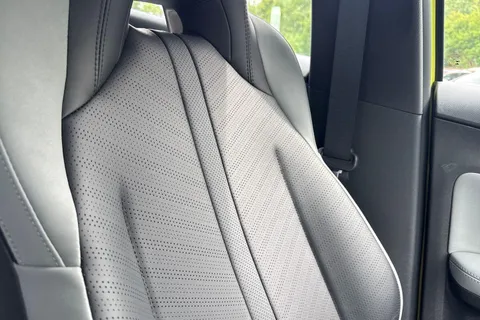
- Heated seats and steering wheels
- Panoramic sunroofs
- Advanced driver assistance systems
In many cases, these features are optional extras on German or UK rivals—but standard on Chinese models.
This is the core of their “value” argument: more kit for less money
Electric Advantage: BYD Leads the Way
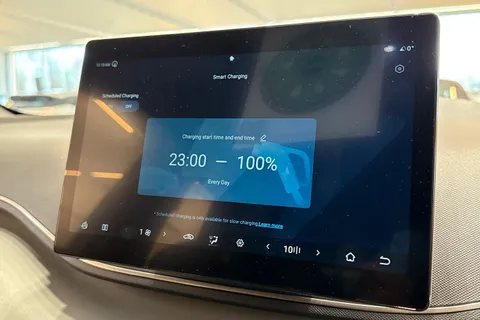
One of the strongest areas for Chinese manufacturers is electric vehicles.
For example, BYD has built its reputation on battery technology, and many of its cars offer:
- Competitive real-world range
- Strong efficiency
- Long battery warranties
This makes them especially appealing compared to similarly priced EVs from more established brands. However, value isn’t just about range - it’s also about ownership experience.
The Hidden Side of “Good Value”
Lower price and high spec don’t tell the full story. The real question is: What’s the long-term ownership experience like?

Brand Trust is Still Developing
Chinese car brands are relatively new to the UK mainstream market.
That means:
- Less long-term reliability data
- Unproven resale values
- Fewer real-world high-mileage examples
Even if early signs are positive, many buyers are still cautious.

Depreciation Uncertainty
One of the biggest unknowns is resale value.
Traditional brands like Volkswagen, Audi, or PEUGEOT have decades of resale stability. Chinese brands don’t yet have that history in the UK.
This can affect:
- PCP finance costs
- Trade-in values
- Long-term ownership cost
So while the upfront price is lower, the total cost over time may not always be as clear-cut.

Dealer and Service Network
This is improving quickly, but still developing.
Potential issues include:
- Fewer service centres in some areas
- Slower parts availability in some cases
- Less established aftersales reputation
That said, brands like BYD are expanding rapidly in the UK dealership network.
Chinese Cars vs Traditional Brands
Here’s how they generally compare in 2026:
Factors | Chinese Cars | Traditional Brands |
Upfront Price | Lower | Higher |
Standard Equipment | Very High | Often Optional Extras |
Brand Reputation | Developing | Established |
Resale Value | Uncertain | Stronger |
Long-term Reliability Data | Limited | Extensive |
Technology | Often Very Advanced | More Conservative |
Are Chinese Cars Better Value?
Yes, if:
- Getting the most equipment for your money
- Lower upfront cost
- Modern tech and EV features
- Short to medium-term ownership
In many cases, they are genuinely better value on paper.
The Real Conclusion
Chinese cars are serious competitors.
But their value depends on what you care about:
- If you want spec, tech, and price advantage - they are extremely strong.
- If you want long-term certainty and resale strength - traditional brands still win.
Final Takeaway
The 2026 car market is no longer about where a car is from, it’s about: What you get for your money, and how long you plan to keep it.
Chinese brands have changed the game by offering more for less. Now the decision is whether that “better deal” fits your risk comfort level.
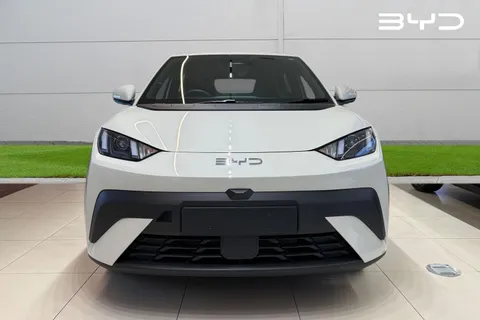
Discover our stock of BYD, OMODA & JAECOO Cars!
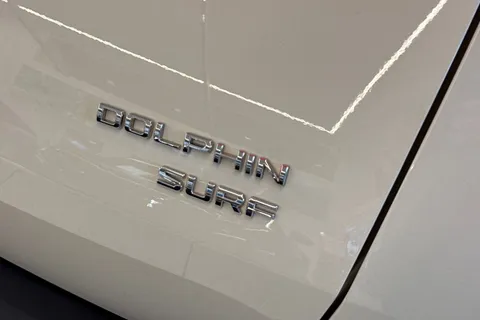
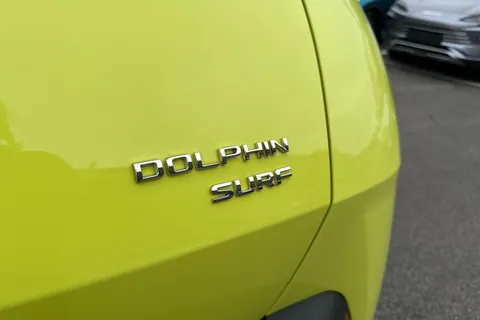
- Go to BYD Dolphin Surf 30kWh Active Auto 5dr
£18,625
£14,995
Finance Available
Affordable options for youBYD Dolphin Surf
30kWh Active Auto 5dr
- Electric
- Automatic
- 1 Miles
- Blue
- 137 Miles Range
BYD Chester - Go to BYD Dolphin Surf 30kWh Active Auto 5dr
£18,625
£14,995
Finance Available
Affordable options for youBYD Dolphin Surf
30kWh Active Auto 5dr
- Electric
- Automatic
- 1 Miles
- Black
- 137 Miles Range
BYD Chester - Go to BYD Dolphin Surf 30kWh Active Auto 5dr
£18,650
£14,995
Finance Available
Affordable options for youBYD Dolphin Surf
30kWh Active Auto 5dr
- Electric
- Automatic
- 10 Miles
- White
- 137 Miles Range
BYD Crewe - Go to BYD Dolphin Surf 43.2kWh Boost Auto 5dr
£20,450
£19,850
Finance Available
Affordable options for youBYD Dolphin Surf
43.2kWh Boost Auto 5dr
- Electric
- Automatic
- 15 Miles
- Yellow
- 200 Miles Range
BYD Stoke